
How Is Everyone Making AI Photos of Themselves? The Trend Explained
This article is part of our AI Photography Insights collection.
Originally published: December 27, 2024 Updated: March 10, 2026
You've probably noticed it by now. Your LinkedIn feed is suddenly full of suspiciously good headshots. Your friend posted a portrait on Instagram that looks like it was shot in a studio — except you know for a fact they haven't left their apartment. Someone on TikTok turned themselves into a renaissance painting and got two million views.
AI portraits are everywhere, and if you're wondering how everyone's doing it — and whether you should be doing it too — here's the full picture.
How are people actually making these AI photos?
The process is way simpler than you'd think:
- You upload a bunch of selfies — Usually 10-20 clear photos from different angles.
- The AI learns your face — It maps your features, expressions, skin tone, and proportions.
- You pick a style — Professional headshot, cinematic portrait, fantasy art, whatever you're going for.
- It generates new photos of you — Realistic or stylized, depending on what you chose.
That's it. No photography skills needed. No studio. No expensive equipment.
For professional headshots specifically, tools like BetterPic focus on producing photos that look like you actually sat down with a photographer — proper lighting, clean background, professional clothing. For more creative stuff (renaissance paintings, anime versions, cyberpunk characters), general-purpose AI art tools handle that.
The professional use case — LinkedIn headshots, resume photos, team pages — is the fastest-growing segment. Makes sense: everyone needs a professional photo, very few people want to deal with getting one the traditional way.
Why did this trend blow up?
It's not just one thing. A few forces collided at the same time:
It's stupid easy. You don't need to know anything about photography, lighting, or editing. Upload photos, pick a style, wait a few minutes. Done.
It's cheap. A professional photographer runs $200-400+. AI headshot tools start around $35. Some creative tools are free. For most people, that's the difference between "I'll get around to it" and "I'll do it right now."
It's fast. Minutes or hours, not days or weeks of scheduling, shooting, and waiting for edits.
It's fun. Let's be honest — seeing yourself as a movie character, a historical figure, or a polished executive is just... cool. People share the results because they enjoy them, which makes other people curious, which makes them try it, which creates a viral loop.
Remote work made it necessary. When your face is your brand — LinkedIn, Zoom, company websites, email signatures — having a professional headshot that represents you well went from "nice to have" to "you probably should." AI made it accessible to the people who needed it but never got around to booking a photographer.
What's the psychology behind why people love this?
There's more going on here than "it's convenient." The appeal runs deeper:
It's a new kind of mirror
AI portraits don't just reflect you — they reimagine you. You can see yourself in different styles, settings, eras, and contexts. That's weirdly compelling. It's the same reason people try on clothes they'd never buy or wonder what they'd look like with a different haircut — except AI makes it instant and visual.
For some people, this goes further. AI portraits can be a way to explore identity — different expressions of gender, culture, personal style, or self-image that are hard to experiment with in real life.
It scratches the "better version of me" itch
We all have a mental image of how we look at our best. AI portraits can get close to that image — better lighting, sharper presentation, more polished — while still looking recognizably like you. That's satisfying in a way that's hard to describe until you've experienced it.
The key is keeping it real. The best AI headshots look like you on a really good day, not like a different person.
It's creative expression without needing to be creative
Seeing yourself as a character from a different century or art style used to require commissioning an artist. Now you tap a button. That opens up a form of self-expression that was previously limited to people with artistic skill or money.
It's social currency
When your friends post their AI portraits and they look cool, you want to try it. When you post yours and people engage with it, you feel validated. It's a positive feedback loop that keeps the trend spreading.
What are people actually using AI portraits for?
It started as a fun thing on social media. But the practical applications have overtaken the novelty:
Professional headshots (the biggest use case)
This is where most of the real-world value lives. People are using AI-generated photos for:
- LinkedIn profiles — The single most common use case
- Resume and CV photos — Especially in industries where headshots are expected
- Company team pages — Matching headshots for the whole team
- Email signatures and conference bios
- Business cards
A lot of job seekers now use AI headshots as their primary professional photo. When the alternative is "no photo" or "a selfie from 2019," an AI-generated headshot that actually looks professional is a huge upgrade. BetterPic focuses specifically on this — headshots that look natural and professional, not obviously AI-generated.
Social media content
AI portraits give people fresh, eye-catching content for their profiles. They stand out in crowded feeds and spark conversations. Instagram and TikTok have both seen waves of AI portrait trends go viral — the Lensa app explosion in late 2022 was just the beginning.
Creative projects
Artists and creatives use AI portraits as starting points, reference material, or standalone pieces. This has sparked interesting (and heated) debates about where human creativity ends and AI-assisted art begins.
Personal exploration
Some people use AI portraits for personal reasons — visualizing future possibilities, processing life changes, or exploring aspects of identity that are hard to express through a regular photo.
How does this change who has access to professional photos?
This is the part that actually matters long-term.
Getting a professional portrait used to require either artistic skill or money. You needed a photographer ($200-400+), time to schedule and attend a session, and proximity to someone good. That meant a lot of people — students, freelancers, people in rural areas, anyone on a tight budget — just... didn't have one.
| Traditional Photography | AI Portraits | |
|---|---|---|
| Cost | $200–$400+ per session | Free to ~$35 |
| Delivery time | Days to weeks | Minutes to hours |
| Location | Need to be near a photographer | Works from anywhere |
| Availability | Photographer's schedule | 24/7 |
| Variety | One style per session | Multiple styles per generation |
Now anyone with a phone can get a LinkedIn-ready AI headshot for the price of lunch. That's a genuine shift in who gets to look professional online — and that matters for job seekers, entrepreneurs, and small business owners who are competing against companies with real photography budgets.
For a breakdown of specific tools and pricing, check out our honest ratings of the best AI headshot generators.
What should you watch out for?
AI portraits are great, but there are real concerns worth thinking about:
Privacy. You're uploading photos of your face to a third-party service. Before you do that, check: Do they delete your photos after processing? Do they use your images to train their AI? What encryption do they use? Reputable tools like BetterPic use AES-256 encryption, have short data retention windows, and publish their security practices in a Trust Center.
Image ownership. Make sure you actually own the photos the AI generates. Some free tools retain rights to your images. For professional use, you need a tool that includes a commercial license.
The "too perfect" trap. AI can smooth your skin, sharpen your jawline, and make you look like the best version of yourself. That's fine within reason. But if your AI headshot looks like a different person than the one who shows up to meetings, you've gone too far. Your headshot should look like you on a good day — not like your hot cousin.
Beauty standard reinforcement. AI tools can subtly push toward conventional beauty standards. Be aware of this and choose results that look like you, not like a generic "attractive person."
Deepfake concerns. The same technology that creates portraits can be misused. Responsible platforms build safeguards against this — requiring you to submit photos of yourself, not someone else.
How do you get started?
If you want to try this yourself:
- Decide what you need it for. Professional headshot? Social media content? Creative fun? This determines which tool to use.
- Pick the right tool:
- Professional headshots: BetterPic (150+ styles, 4K, AI + human editing)
- Free option to try first: BetterPic's free AI headshot generator
- Creative/artistic styles: General-purpose AI art generators
- Take good source photos. 10-20 clear shots, different angles, good lighting, no sunglasses or hats.
- Pick styles that match your purpose. Professional for LinkedIn, creative for social media. Don't use your fantasy warrior portrait as your resume photo. (You'd be surprised.)
- Review critically. Use a LinkedIn headshot suitability check before picking the results that look most like you. Use editing tools to fine-tune if needed.
Where is this all heading?
The tools available today are already impressive. But they're improving fast:
- Better realism — Within a year or two, even photographers will struggle to spot AI-generated headshots
- Real-time AI in video calls — Better lighting, cleaner background, subtle enhancements during live calls
- Deeper platform integration — Update your headshot once and it syncs to LinkedIn, Slack, email signature, everything
- More style control — Fine-tune expression, mood, and context with precision instead of broad presets
- Team adoption at scale — Companies using AI for team headshot projects and corporate branding will become the norm, not the exception
AI portraits won't kill traditional photography — there will always be a place for a skilled human with a camera. But for the everyday "I need a professional photo" use case, AI has already won on convenience, cost, and speed. The trend isn't going away. It's becoming the new normal.
Frequently asked questions
How are people making AI portraits?
They use AI portrait generators or headshot tools — upload selfies, the AI learns your face, and it generates new photos in whatever style you choose. Takes a few minutes, no design skills needed. For professional results, dedicated tools like BetterPic produce the most realistic output.
Is it safe to upload your photos to AI portrait tools?
Depends entirely on the platform. Good tools encrypt your data, delete photos after processing, and don't use your images for model training. Always check the privacy policy. Avoid free tools that don't clearly state what they do with your data.
Can you use AI portraits on LinkedIn and resumes?
Yes. AI-generated headshots are widely accepted on LinkedIn, resumes, company websites, and professional profiles — as long as the photo actually looks like you. LinkedIn's policies require your photo to be your likeness but don't ban AI-generated images. Most paid tools include commercial licenses so you can use the photos anywhere.
Do AI portraits look fake?
With free or low-quality tools, sometimes yes — you might see overly smooth skin, weird hair edges, or clothing that doesn't look right. With premium tools like BetterPic, the output is realistic enough that most people can't tell it's AI-generated. The quality gap between free and paid tools is significant.
Sources & References
- LinkedIn Profile Photo Tips — LinkedIn
- How Your Profile Photo Impacts Your LinkedIn Presence — LinkedIn Official Blog
- AI Image Generation Market Report — Grand View Research
- How AI Is Changing Photography — Forbes
- Professional Headshot Photography Pricing — Thumbtack

Written by
Apoorv SharmaHead of Performance
Apoorv leads performance and growth at BetterPic with 9+ years of experience across SEO, SEM, and growth marketing. He oversees content strategy, data-driven marketing, and hands-on testing of AI headshot platforms. Previously held senior performance marketing roles across the US, Belgium, and India.
- Google Analytics & Google Ads certified
- HubSpot Inbound & Content Marketing certified
- 9+ years in SaaS growth and performance marketing
Preferred source
Follow BetterPic on Google
Add BetterPic as a preferred source and our headshot guides are more likely to show up in your Top Stories, with a badge in AI Mode and AI Overviews.

Related professional headshots for individuals resources
Keep exploring this topic with focused resources from the B2C journey.
Primary destination:AI headshot generator
Frequently Asked Questions
How are people making AI portraits of themselves?
- People use AI portrait generators or AI headshot tools that turn everyday selfies into polished or stylized images. The typical process involves uploading 10–20 clear photos, letting the AI train a temporary model of your face, selecting styles or themes, and receiving multiple AI-generated portraits within minutes. Popular tools include BetterPic for professional headshots and various general-purpose AI art generators for creative styles.
What is the AI portrait trend?
- The AI portrait trend refers to the growing popularity of using artificial intelligence to create enhanced, stylized, or professional images of oneself. These AI-generated portraits are widely shared on social media platforms like Instagram, TikTok, and LinkedIn as profile photos, creative self-expression, or professional headshots. The trend has been driven by the accessibility, affordability, and speed of AI photo tools.
Is the AI selfie trend safe?
- Safety depends on the platform you choose. Reputable AI headshot tools implement data protection policies, use encryption, and delete uploaded photos after processing. Always review a platform's privacy policy before uploading personal images, check how long your data is stored, and choose services with clear security standards. BetterPic, for example, uses AES-256 encryption and short data retention windows.
Can AI portraits be used professionally?
- AI-generated portraits are widely accepted on LinkedIn, resumes, company websites and professional portfolios, provided the image accurately represents your current appearance.
Why are AI portraits so popular?
- AI portraits are popular because they combine accessibility, affordability, speed, and creative appeal. Anyone with a smartphone can create studio-quality images in minutes for a fraction of traditional photography costs. The technology also satisfies psychological desires for self-exploration, identity expression, and social sharing, making it compelling for both personal and professional use.
Related articles
View all articles
Our $45 AI agent found a 2 ROAS ad format. We now spend $500
We gave Patricia our 2 Google Ads accounts, found a new format above 2 ROAS, and watched a $45 experiment become a $500 monthly tool for 7 people.
How Runflow Is Powering Every Headshot We Deliver — and What It's Saving Us
We went from 40% gross margins and 24-hour wait times to 87% margins and reliable, fast delivery — without hiring a single ML or DevOps engineer..
AI Headshots Market Update The 2026 Revolution That's Changing Everything
AI headshots are transforming professional imagery with 441 percent growth and a projected market value of 60.8 billion dollars by 2030
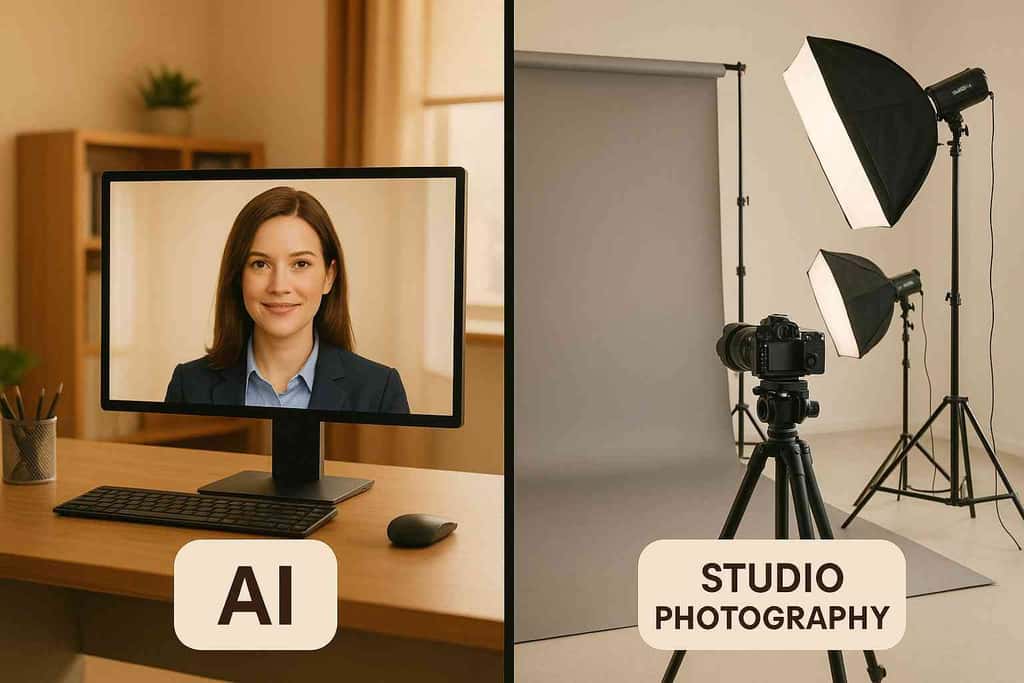
AI Headshots vs Studio Photography for Teams — The Real Cost Breakdown
A detailed, data-backed cost comparison of AI headshots vs studio photography for teams — covering per-person pricing, hidden fees, time costs, and.
We Just Raised $2.5M and Bootstrapped BetterPic to $3M Revenue
BetterPic bootstrapped to $3M revenue and raised $2.5M seed funding to scale AI photography with real humans at the center of everything.
How This Writer Found Affiliate Success with BetterPic (And You Can Too)
BetterPic Affiliate Program helped this writer turn her content into a steady income stream with a high-converting offer her audience loves.
Save 87%on average on your professional photos.
Whenever, wherever you are.
Get studio-quality, 4K images in a variety of outfits & settings in less than an hour.
Get your headshots nowStart now