
The Modern Guide to Compelling Lawyer Headshots
Lawyer headshots aren't just portraits; they're strategic tools designed to project trustworthiness, competence, and authority. For a modern attorney, a high-quality headshot is one of your most critical assets for business development, often making the difference in whether a potential client reaches out.
Why Your Headshot Is Your First Closing Argument

In the legal world, reputation is everything, and today, that reputation starts online. Before a client ever reads your bio, skims your case history, or dials your number, they see your face. Your headshot isn't just a picture—it’s a silent, powerful introduction that makes an immediate case for your professionalism.
Think of this single image as your first closing argument. It instantly communicates who you are and sets expectations. A warm, approachable expression might be perfect for a family law attorney, while a confident, direct gaze can attract a high-stakes corporate client. The quality of your photo is a direct reflection of the perceived quality of your legal services.
The Digital Handshake That Builds Trust
Consider where clients find and vet attorneys today: LinkedIn, firm websites, Avvo, and countless other professional directories. These platforms are the new front door to your practice. A blurry, outdated, or unprofessional photo can shatter trust before you've had a chance to build it.
On the flip side, a polished, professional, and current headshot does several things at once:
- It establishes immediate credibility. It shows you take your professional image seriously.
- It creates a human connection. It makes you seem more accessible and real.
- It sets you apart. You instantly stand out from competitors with subpar images.
The data backs this up. LinkedIn profiles with professional headshots get 21 times more profile views and generate 36 times more messages. It's a clear line from a quality image to client engagement.
A great lawyer headshot doesn't just show what you look like—it tells a story about your confidence, your attention to detail, and the caliber of representation you provide. It’s a strategic asset, not an administrative task.
Professional vs. Amateur Headshots: The Client's Verdict
Let's break down how a potential client perceives the difference between a pro photo and a selfie. The split-second judgment they make can determine your next call.
| Attribute | Professional Headshot Impression | Amateur/Outdated Headshot Impression |
|---|---|---|
| Competence | Detail-oriented, successful, takes their work seriously | Unprepared, careless, lacks attention to detail |
| Trustworthiness | Confident, approachable, transparent | Unreliable, hiding something, not current |
| Credibility | Established, expert, high-caliber | Inexperienced, not invested in their career |
| Firm Brand | Polished, modern, and reputable firm | Outdated, small-scale, or unprofessional practice |
The verdict is clear: an amateur photo sends all the wrong signals.
The True Cost of a Bad First Impression
That photo you took with your phone against an office wall? Or the one cropped from a family picture? It sends a message of carelessness. It suggests a lack of attention to detail—a quality no one wants in their legal counsel. This visual misstep can be the deciding factor between a client clicking "Contact Us" or scrolling to the next lawyer on the list.
Ultimately, investing in professional lawyer headshots is an investment in your personal brand and your firm's bottom line. It sets the stage for every interaction, ensuring your first impression is as strong and persuasive as your best legal argument. For more insights, take a look at our guide to creating compelling LinkedIn headshots.
Aligning Your Photoshoot with Your Legal Brand
A great lawyer headshot is never an accident. It’s the direct result of careful, strategic planning. This isn't just about finding a photographer and smiling for the camera; it's about translating your unique professional identity into a compelling visual that speaks directly to your ideal client.
Before you do anything else, you have to define the core message your headshot should send. Are you the tenacious, bulldog litigator who thrives in the courtroom? Or are you the compassionate, empathetic family lawyer clients trust during their most difficult times? These aren't just abstract ideas—they're brand attributes that will dictate every choice you make for the photoshoot.
Think about it: a corporate attorney aiming to attract Fortune 500 clients needs a completely different visual approach than a public defender. The former might aim for a look of polished authority and sophistication, while the latter might prioritize approachability and trustworthiness. Nailing this brand persona is the foundation of a successful headshot.
Choosing Your Setting: On Location vs. Studio
The backdrop of your photo is a powerful, non-verbal communicator. The choice between shooting in a studio versus on-location is one of the most significant decisions you'll make, as each tells a very different story about you and your practice.
Studio Headshots: A classic studio setting with a clean, neutral background offers a timeless and controlled environment. It's an excellent choice if you're trying to convey:
- Authority and Polish: With no distractions, the focus is entirely on you, creating a powerful, direct, and professional image.
- Consistency: For law firms, studio shoots are the easiest way to maintain a uniform look across all attorney profiles, reinforcing a cohesive brand.
- Versatility: A simple background is easy to use across various platforms, from your website bio to a conference speaker panel.
This is the go-to for many large firms and attorneys who want a classic portrait that just screams competence.
On-Location Headshots: Shooting in a specific environment—like your modern office, a courthouse, or an outdoor urban setting—adds context and personality. This approach is ideal for communicating:
- Authenticity and Relatability: An office background can make you appear more grounded and accessible, showing you in your element.
- Modernity: A shoot in a sleek, contemporary space can signal that your firm is forward-thinking and dynamic.
- Specialization: An environmental portrait can hint at your practice area. For instance, a construction lawyer might incorporate an architectural background.
This choice allows you to build a narrative. A shot with a law library behind you suggests scholarly diligence, while a brighter, open-plan office backdrop can project a collaborative and modern work style.
Your background isn't just a background; it's a strategic element that reinforces your professional narrative. Choose a setting that subconsciously communicates the values and strengths of your legal practice.
Crafting a Simple Creative Brief for Your Photographer
To make sure your vision is perfectly executed, you have to communicate it clearly to your photographer. You don't need a lengthy document; a simple creative brief is a powerful tool for getting everyone on the same page. This brief saves time, avoids misunderstandings, and guarantees the final images match your brand.
Think of it as your game plan for the shoot.
Key Components of Your Creative Brief:
- Brand Persona Keywords: List three to five adjectives that describe the feeling you want to evoke. Think "Confident, Approachable, Authoritative" or "Compassionate, Trustworthy, Experienced."
- Target Audience: Briefly describe your ideal client. Is it a startup founder, a family navigating a divorce, or a large corporation? This helps the photographer understand who the image needs to connect with.
- Location and Background Preference: State your choice between studio or on-location. If on-location, be specific (e.g., "our office boardroom with city view," "courthouse steps," or "neutral outdoor urban setting").
- Inspiration Photos: This is huge. Include two or three examples of headshots you like. It's the fastest way to visually communicate the style, mood, and lighting you're aiming for.
- Final Use Cases: Mention where the photos will be used—the firm website, LinkedIn, press releases, or speaker bios. This helps the photographer shoot with the right composition and cropping in mind from the start.
Providing this clear direction empowers your photographer to act as a true creative partner. It transforms the session from a simple transaction into a collaborative effort focused on building your professional brand. When done right, your lawyer headshots will work as a silent ambassador for your practice.
Mastering Your On-Camera Presence
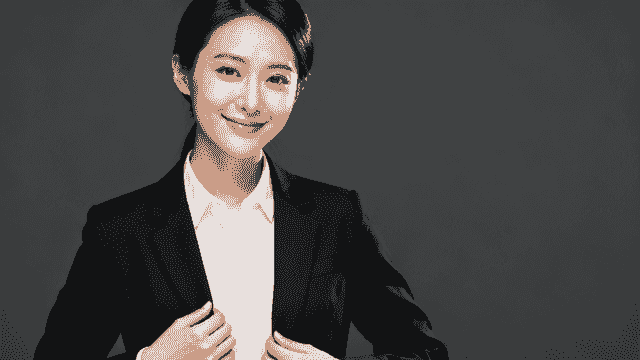
Let's be honest, most people don't naturally feel comfortable in front of a camera. It's a learned skill. A great professional headshot really comes down to three things: wardrobe, grooming, and posing. Get these right, and the final image will project the exact confidence and competence your clients are looking for.
This isn't just about being told to "wear a suit." It's about the subtle messages your appearance sends. The right choices can elevate a headshot from just "good enough" to genuinely authoritative and trustworthy.
Think of this as your prep session. We'll demystify the process and give you practical advice to help you look and feel polished, poised, and ready to make a killer first impression.
Dress for the Verdict You Want
Your wardrobe is the loudest non-verbal cue in your headshot. The colors, fabrics, and especially the fit of your clothing tell a story. Let's get into the specifics that actually make a difference on camera.
Color Psychology in the Courtroom of Opinion The colors you choose have a real psychological impact. For a lawyer's headshot, you're aiming for colors that broadcast authority, stability, and trust.
- Navy Blue: This is a classic power color. It communicates confidence and intelligence without the harshness of solid black, and it’s flattering on pretty much every skin tone.
- Charcoal Gray: This color suggests sophistication and reliability. It’s a modern, professional choice that works well with a wide range of shirt and tie combinations.
- Deep Burgundy or Forest Green: For a touch of personality that still reads as professional, these can be great options for a woman's blouse or a man's tie.
Steer clear of bright, distracting colors like neons or any loud patterns. They just pull focus away from your face. Your attire should complement you, not scream over you.
Your clothing should be a supporting actor, not the star of the show. Choose solid, rich colors and well-tailored pieces that make you feel confident. The focus should always remain on your expression and your eyes.
Fabric and Fit Under Studio Lights What looks fantastic in person doesn't always translate on camera. Studio lighting is incredibly precise and can be unforgiving.
For a suit jacket or blazer, look for materials with a bit of texture, like high-quality wool or a very subtle tweed. These fabrics absorb light much better than shiny ones, which can cause distracting glare. Above all, make sure the jacket is tailored perfectly—a poor fit in the shoulders or chest is obvious and looks sloppy.
Your shirt or blouse needs to be crisp and neatly pressed. Avoid anything that wrinkles easily, like 100% linen. A high-thread-count cotton or a quality blend will hold its shape and look sharp.
Grooming for a Camera-Ready Look
Grooming for a photoshoot is all about polish and paying attention to the small stuff. The high-resolution cameras used for headshots pick up everything, so a little extra prep goes a very long way.
For Men:
- Haircut: Get a haircut about a week before your shoot. This gives it just enough time to settle in and look natural, not like you just walked out of the barber shop.
- Shave: If you’re clean-shaven, get a fresh, close shave the morning of the shoot to avoid any five-o'clock shadow. If you have a beard or mustache, make sure it’s neatly trimmed and shaped.
- Skin: Don't shy away from a little skin prep. A simple mattifying moisturizer can cut down on shine on your forehead and nose, a super common problem under studio lights.
For Women:
- Hair: Style your hair in a way that feels professional and, most importantly, authentic to you. Avoid overly trendy styles that will date your headshot in a year. You're aiming for a polished version of your everyday look.
- Makeup: Camera makeup should be a bit more defined than your daily look but still appear natural. The goal is to even out your skin tone, define your eyes, and use a neutral lip color. A matte finish is almost always better to avoid unwanted shine.
- Nails: Your hands might end up in some of the shots. Make sure your nails are clean and manicured with either a neutral or clear polish.
Posing to Project Confidence and Authority
Posing is what intimidates people the most, but it doesn't have to be a big deal. A good photographer will guide you, but knowing a few tricks yourself will help you feel more in control and get better shots.
The main goal is to create angles that look confident without being stiff. A slight turn of your body away from the camera, with your head turned back toward the lens, is a go-to pose for a reason—it’s flattering on everyone. It creates a more dynamic and engaging look than a straight-on, passport-style photo.
Posture is everything. Stand or sit up straight, roll your shoulders back and down, and then gently push your chin forward and down. Photographers call this "turtling." It feels weird, but it's an old trick that works wonders to define the jawline and get rid of any hint of a double chin.
Finally, it all comes down to your expression. Forget saying "cheese." Instead, think of something specific and positive—winning a tough case, a compliment from a respected colleague, or just a happy memory. This brings a genuine, confident light to your eyes, and that's the real secret to a compelling headshot.
Understanding the Photographer's Craft
You don't need to be a photography pro to get a killer headshot. But knowing a few key concepts can turn you from a passive subject into an active partner in the process. When you can speak the photographer's language—at least a little bit—you can articulate exactly what you want, making sure the final image nails your professional brand.
This isn't about memorizing f-stops or shutter speeds. It's about pulling back the curtain on the technical side so you can collaborate with your photographer to get the right mood and impact for your lawyer headshots. Let's break down the three elements that truly make or break a professional portrait.
The Power of Light
Lighting is, without a doubt, the most powerful tool for shaping the feel of a photograph. It’s what makes you look open and friendly or powerful and intense. A great photographer uses light like a sculptor uses a chisel, carving out features to create a specific emotional response from the viewer.
What Different Lighting Setups Communicate:
- Soft, Broad Lighting: Think big light sources, like a softbox or an umbrella. This creates gentle, flattering light with very few shadows. It’s the go-to choice for an approachable, trustworthy, and friendly vibe—perfect for family lawyers or mediators.
- Dramatic, High-Contrast Lighting: Sometimes called "Rembrandt" lighting, this technique uses a more direct, angled light to create defined shadows. It adds a sense of gravity and authority, which can be incredibly effective for litigators or corporate attorneys.
- Natural Light: Simply using window light or shooting outdoors gives a photo a modern and authentic feel. It's often used in environmental portraits to make someone seem more relatable and transparent.
Now, instead of just hoping your photographer gets it right, you can walk in and say, "I'm aiming for an approachable feel, so I think a softer lighting setup would be best."
Composition and Cropping Fundamentals
Composition is just the art of arranging everything in the frame to create a balanced and professional image. Your photographer is handling the mechanics, but understanding the why behind their choices helps you see why they might ask you to lean a certain way or look slightly off-camera.
One of the oldest tricks in the book is the rule of thirds, where the subject is placed off-center to create a more dynamic photo. This is why you might be positioned to one side of the frame, especially if the headshot is destined for a website banner with text alongside it.
Cropping is just as important. A traditional headshot is usually cropped from the chest up, keeping all the focus on your face. A wider crop, however—showing more of your torso or even your hands—can feel much more relaxed and conversational.
How your photo is framed isn't random. It’s a deliberate choice that guides the viewer's eye and reinforces the photo's message, whether that's intense focus or open confidence.
The Art of Ethical Retouching
In the legal world, authenticity is everything. Good retouching isn’t about changing who you are; it's about presenting the most polished version of yourself. The goal is to remove temporary distractions, not your core features.
Think of it as the digital version of ironing your shirt before walking into a deposition. Professional retouching should be completely invisible.
What Good Retouching Looks Like:
- Removing temporary blemishes or flyaway hairs.
- Subtly whitening teeth and the whites of the eyes to add clarity.
- Softening distracting wrinkles on your suit jacket.
- Adjusting color and contrast to create a clean, crisp look.
What Good Retouching is NOT:
- Altering the shape of your face or body.
- Removing permanent features like scars or moles (unless you specifically ask).
- Trying to make you look 20 years younger.
A professionally retouched headshot should just look like you on your absolute best day. It ensures that minor, temporary issues don’t get in the way of your message of competence and trust. This final polish is what elevates a decent photo into a powerful business asset.
Is AI the Future of Lawyer Headshots?
Technology has already worked its way into nearly every corner of the legal industry, from case management platforms to e-discovery. Now, artificial intelligence is starting to reshape professional branding. AI headshot generators have popped up as a compelling, modern alternative to traditional photography, giving busy attorneys a new path to studio-quality images.
The whole idea is pretty straightforward. An attorney uploads a handful of casual selfies, and the AI gets to work analyzing their facial features. It then generates dozens—sometimes hundreds—of professional lawyer headshots in different styles, outfits, and backgrounds. The best part? No physical photoshoot required. The results are often surprisingly polished and realistic.
This approach hits on the biggest pain points of traditional headshots for lawyers: time and money. Coordinating a photoshoot means scheduling, travel, and taking a serious chunk of time away from billable hours. AI tools cut right through those logistical headaches, delivering finished photos in hours, not weeks.
How AI Stacks Up Against a Traditional Photoshoot
When you're thinking about using AI for your firm's headshots, you have to weigh the good against the bad. This isn't just about picking new tech; it's a strategic call based on your firm's budget, timeline, and specific needs.
Here’s a practical look at how the two options compare:
- Cost Efficiency: There's no contest here—AI headshots are dramatically more affordable than a professional photoshoot. This makes them a great fit for solo practitioners, small firms, or even large firms needing to get a new class of associates onboarded without blowing the budget.
- Speed and Convenience: The entire process, from uploading your selfies to downloading the final images, can often be done in under an hour. You just can't match that speed with a traditional shoot that requires booking, the session itself, and post-production time.
- Variety and Options: AI generators can create a huge library of looks. An attorney can instantly see themselves in different suits, blouses, backgrounds, and lighting setups. This gives you a ton of content for everything from a formal website bio to a more relaxed LinkedIn post.
The rise of AI in professional branding is more than just a passing trend. It reflects the legal world's broader move toward technologies that drive efficiency. It’s a practical solution for maintaining a sharp, current online presence without derailing a demanding schedule.
Key Things for Lawyers to Keep in Mind
While the benefits are clear, there are a few important things to consider, especially in a profession where authenticity is everything. The tech is getting better fast, but realism can sometimes be a mixed bag. It's critical to choose a high-quality service to avoid that "uncanny valley" effect where the image looks almost real, but not quite. To see what's possible, you can explore the process of generating high-quality AI headshots that meet professional standards.
Data privacy is another major point. Attorneys have to be sure the service they pick has a rock-solid privacy policy and is transparent about how personal images are handled, stored, and eventually deleted.
There's no denying the legal field is getting more comfortable with AI. In fact, a recent study found that 82% of legal professionals expect to use more artificial intelligence in the next year, and that includes AI-powered photography. With 54% already using AI for things like drafting emails, pulling it into branding and marketing is a natural next move. You can find more stats on legal marketing trends on andava.com.
Here, you can see how one of the leading AI platforms lays out the process, focusing on simplicity and professional results. The interface is designed to guide you from uploading casual selfies to creating a diverse portfolio of business-ready images.
This really gets to the core value: turning simple photos into polished, corporate headshots with almost no effort. For a busy law firm, that kind of efficiency is a powerful draw and a scalable way to manage professional branding across the board.
Building a Cohesive Firm-Wide Headshot Strategy
A law firm's brand is built on consistency. Think about it: when a potential client lands on your 'Our Team' page and is met with a chaotic jumble of selfies, cropped vacation photos, and portraits from ten years ago, it sends a powerful—and negative—message. This kind of visual mess suggests a lack of cohesion and attention to detail, which are absolute deal-breakers in the legal field.
Putting a unified headshot strategy in place across the entire firm isn't a vanity project. It's a critical piece of brand management. A consistent look reinforces the idea that every single attorney, from a junior associate to a senior partner, is part of the same elite, professional team. It projects stability, unity, and a shared standard of excellence.
Developing Your Firm-Wide Style Guide
The foundation of a cohesive look is a simple, easy-to-follow style guide. This document doesn't need to be some complex, 50-page manual. Its only job is to create a clear set of visual rules so that every lawyer's headshot aligns with the firm's brand, no matter who takes the photo or where it’s taken.
Your style guide should really just outline a few key things:
- Background: Be specific. Do you want a solid color like charcoal gray or deep navy for studio shots? Or maybe a consistent environmental style, like a blurred, modern office interior with plenty of natural light.
- Lighting: Define the mood. Are you going for soft, approachable lighting that feels open and friendly? Or a more dramatic, high-contrast look that communicates authority?
- Composition and Cropping: Decide on the standard crop. Will all headshots be from the chest up, or will you use a wider, three-quarter shot? This small detail makes a massive difference in consistency.
- Wardrobe Guidelines: Offer clear, simple advice on what to wear. Suggest solid, dark suits and professional blouses or shirts. It's just as helpful to list what not to wear, like busy patterns, loud colors, or casual clothing.
This guide becomes your blueprint. It ensures that a partner in the New York office and an associate in a satellite office end up with photos that actually look like they belong together on the same website.
Managing Logistics Across Multiple Offices
Coordinating photoshoots for a firm with offices scattered across the country can feel like a logistical nightmare. But with a solid plan, it's entirely manageable. One of the most effective ways to handle this is to hire a national photography company that has a network of vetted professionals in different cities. That's how you guarantee a consistent quality standard.
Another option is to simply provide your style guide to trusted local photographers in each region. This empowers them to replicate the firm's desired look and feel without you having to micromanage every detail. For smaller firms or new hires, solutions that offer headshots for teams can be a cost-effective and efficient way to maintain brand consistency without the headache of coordinating individual photoshoots.
A regular refresh schedule—every two to three years—is essential. This keeps your team's online presence current, reflecting promotions, new hires, and the natural evolution of your attorneys' appearances.
Deploying Your New Assets for Maximum Impact
Once you have your new, consistent set of lawyer headshots, the final step is to get them out there. Everywhere. A quick audit of your firm's digital footprint is crucial to ensure you've covered all your bases.
Make sure you check these key platforms:
- Firm Website: Update every attorney's bio on the 'Our Team' and individual profile pages.
- LinkedIn Profiles: This is a big one. Mandate that all lawyers update their profiles with the new, approved headshot.
- Professional Directories: Ensure listings on sites like Avvo, Martindale-Hubbell, and local bar associations are current.
- Marketing Collateral: Refresh your brochures, proposals, and press release templates with the new imagery.
This process is more important than ever as competition heats up. The U.S. legal services market is projected to hit $397 billion, and 83% of law firms now hire external marketing agencies that prioritize visual branding to stand out.
Modern tools are also making this whole process much simpler.
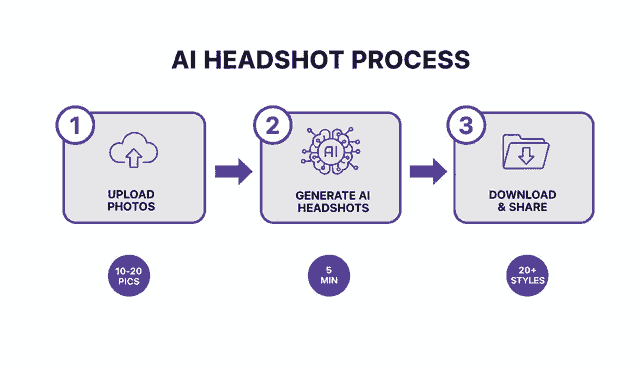
The workflow shown here—upload, generate, and download—lets firms quickly produce high-quality, consistent images at scale. A unified headshot strategy is no longer a luxury; it's a fundamental part of building and maintaining a powerful law firm brand.
Related legal professional headshots resources
Keep exploring this topic with focused resources from the B2C journey.
Primary destination:Lawyer headshots
Save 87%on average on your professional photos.
Whenever, wherever you are.
Get studio-quality, 4K images in a variety of outfits & settings in less than an hour.
Get your headshots nowStart now