
Female Lawyer Headshots: Build Trust with Powerful Portraits

This article is part of our Industry Headshots collection.
Your headshot is the first impression you make on potential clients, colleagues, and opposing counsel — before they’ve read a word about you. For female lawyers, a powerful, professional image matters enormously. It needs to communicate authority, trustworthiness, and approachability all at once.
Whether it's on the firm website, a legal directory, or your LinkedIn profile, that single photo speaks volumes before anyone reads a word about your credentials. It's a critical tool for building your personal brand in a fiercely competitive legal market.
Why does a female lawyer's headshot matter so much?
In the legal world, perception is reality. A headshot isn't just a picture; it’s a strategic asset that shapes opinions and builds immediate trust. It’s your visual introduction, and it can be the deciding factor in whether a potential client clicks to learn more or simply moves on.
An outdated or unprofessional photo can send the wrong message, suggesting a lack of attention to detail—a quality no one wants in their legal counsel.

Why Authentic Branding Matters
Authenticity is everything. Your headshot should be a true reflection of your personality and your specific area of practice. A corporate litigator might go for an image that projects formidable confidence, while a family law attorney may want to convey more warmth and empathy.
The real goal is to create an image that feels genuine and aligns with what your ideal client is looking for in an advocate.
Your headshot bridges the gap between your digital presence and your real-world expertise. It’s the visual anchor of your professional identity, making you memorable and relatable in a crowded field.
This visual branding is especially vital as more women step into leadership roles across the legal profession. Over the last decade, the progress has been substantial. As of 2024, women now make up 41% of all lawyers in the U.S. and represent a majority of law students and associates in many key sectors.
The Strategic Value of a Polished Image
A high-quality headshot isn't just about looking good; it’s about demonstrating a clear investment in your career and your brand. It shows you understand the nuances of making a strong first impression across every platform, from LinkedIn to the firm’s website.
Think of your headshot as a core part of your communication strategy. A well-crafted female lawyer headshot achieves several key goals simultaneously:
- Builds Instant Credibility: A polished photo immediately frames you as a serious, competent practitioner.
- Fosters a Human Connection: It puts a face to the name, making you more approachable and encouraging clients to reach out.
- Enhances Your Digital Presence: A consistent, high-quality image creates a unified and professional brand online.
- Differentiates You from Competitors: In a sea of standard-issue corporate photos, an authentic headshot helps you stand out.
Ultimately, investing in a great headshot is investing in yourself. You can explore various professional headshot styles to find the one that best represents your personal brand and helps you connect with the clients you want to attract.
What should a female lawyer wear for a headshot?
Your wardrobe choice for a headshot is so much more than just picking a nice outfit; it’s a strategic decision that instantly communicates your personal brand and even your practice area. While the standard advice to "wear a blazer" is a safe starting point, it glosses over the powerful non-verbal cues sent by color, fabric, and style. The right attire builds a visual story that aligns perfectly with your professional identity.

This decision is especially critical for female lawyer headshots, where you’re often striking a delicate balance between authority and approachability. The goal is to land on an outfit that feels authentic to you while inspiring immediate confidence in your ideal client. Think of it as your professional uniform—projecting competence before you’ve said a single word.
The Psychology Of Color And Fabric
Color is a powerful tool in your arsenal. Traditional, more conservative colors can instantly signal authority and trustworthiness, which are essential traits in the legal field.
- Navy Blue: This is a classic for a reason. It projects confidence, intelligence, and stability. It's also less stark than black and is a universally flattering choice for practice areas like corporate law, litigation, or finance.
- Charcoal Gray: A fantastic alternative to navy or black, charcoal communicates sophistication, balance, and professionalism.
- Black: The ultimate power color, black signals seriousness and authority. Just be mindful that it can sometimes appear too harsh on camera, so pairing it with a softer-colored blouse is often a smart move.
While these colors are always a safe bet, don't be afraid to let your personality show. Jewel tones like a deep burgundy, emerald green, or sapphire blue can add a touch of modern approachability without sacrificing an ounce of professionalism. A family law attorney, for example, might choose a warm burgundy to appear more empathetic and open from the get-go.
Fabric quality is just as crucial. You want high-quality, well-structured materials like wool blends or a thick crepe. These photograph beautifully because they hold their shape and resist wrinkles. Steer clear of shiny fabrics like satin or anything with busy, distracting patterns—they can create a bizarre moiré effect on camera and pull all the focus away from your face.
Wardrobe Choices And Their Perceived Message
Choosing what to wear is really about deciding what message you want to send. A structured suit jacket sends a very different signal than a soft, high-quality knit. Here's a quick breakdown of how different wardrobe elements are often perceived.
| Wardrobe Element | Conveys Authority & Tradition | Conveys Approachability & Modernity | Best For Practice Areas Like |
|---|---|---|---|
| Tailored Suit Jacket | ✔️ | Corporate Litigation, M&A, Finance Law | |
| Sheath Dress | ✔️ | ✔️ | Estate Planning, Real Estate, In-House Counsel |
| Silk Blouse | ✔️ | Family Law, Mediation, IP for Creatives | |
| Knit Shell/Top | ✔️ | Non-Profit Law, Immigration, Collaborative Law | |
| Statement Color | ✔️ | Boutique Firms, Solo Practitioners, Personal Injury |
Ultimately, the best choice is the one that aligns with both your personal style and the expectations of the clients you want to attract.
Necklines And Accessories That Work On Camera
The neckline of your top is a surprisingly critical detail in a headshot because it directly frames your face. Trust me, not all necklines are created equal when you get in front of a camera.
A simple, classic neckline ensures the focus remains right where it should be: on your expression and your eyes. It creates a clean visual line that draws attention upward, reinforcing a message of confidence and directness.
Consider these universally flattering options that almost always work:
- V-neck: A great choice that elongates the neck and is generally flattering for most body types.
- Crew Neck or High Neckline: This is a classic, clean, and professional look, especially when layered under a blazer.
- Boat Neck: A sophisticated option that can broaden the shoulders and create a very elegant silhouette.
When it comes to jewelry, my advice is always the same: less is more. The purpose of accessories in a headshot is to add a subtle touch of polish, not to become the main event. Opt for simple, classic pieces like pearl or diamond studs, a delicate necklace, or a timeless watch. You’ll want to avoid large, dangling earrings or chunky statement necklaces that can distract the viewer and quickly date your photo. Your female lawyer headshot should feel timeless, and classic accessories are key to achieving that.
Tailoring Your Look To Your Practice Area
Your wardrobe should absolutely reflect the expectations of your clients. A corporate litigator advising Fortune 500 companies is going to project a very different image than a lawyer specializing in creative intellectual property or family mediation.
A corporate litigator, for instance, would be well-served by a sharply tailored navy suit with a crisp white shell. This look is unambiguous; it communicates serious authority and a respect for tradition. In contrast, an estate planning attorney who works closely with families might opt for a softer look, like a well-fitted sheath dress in a rich color or a blazer paired with an elegant silk blouse. This combination feels just as professional, but far more accessible.
The real key here is authenticity. If you feel uncomfortable or unlike yourself in a stiff, buttoned-up suit, that discomfort will show up in your expression. Choose an outfit that makes you feel confident and powerful—because that feeling is precisely what you want your headshot to capture and convey.
How should a female lawyer pose for a headshot?
Long before a potential client reads your bio, your headshot has already made a first impression. Your posture and expression are doing the heavy lifting, communicating confidence, authority, and trustworthiness in a single glance.
The goal isn't to look stiff or staged. The best poses feel natural and engaging, creating an instant connection that draws the viewer in. It’s all about small, intentional adjustments that make a huge difference.
Body Language That Builds Confidence
It all starts with posture. Stand or sit up straight and roll your shoulders back and down. This simple move instantly opens up your chest, creating a silhouette that reads as powerful and assertive. It's a subtle shift, but it has a massive psychological impact on how you're perceived.
Another trick of the trade is the three-quarter turn. Facing the camera head-on can feel a bit like a passport photo—confrontational and flat. Instead, turn your body slightly away from the camera, then turn your head back to look at the lens. This creates dimension, making the shot more dynamic and welcoming.
One of the most effective yet subtle cues is a gentle lean forward. Leaning slightly toward the camera signals engagement and interest, almost as if you're leaning in to hear a client's story. It turns a static portrait into an active, inviting conversation.
These aren't just poses; they're ways to create a dynamic presence, ensuring your photo feels alive and you look ready for whatever comes your way.
Mastering Your Facial Expression
Your expression is where the emotion of the headshot lives. Should you smile or go for a more serious look? There's no right answer—it completely depends on your personal brand and the message you want to send.
A genuine smile is a powerful tool for building rapport. If you're in a practice area like family law or estate planning, warmth and approachability are your currency. To get that real smile, think about a recent win or something that genuinely makes you laugh. A true smile lights up your eyes—what photographers call the "Duchenne smile"—and it's something you just can't fake.
On the other hand, a more serious expression can project focus, determination, and intellectual strength. This is often the go-to for litigators or corporate attorneys who need to convey unshakeable authority. Even a serious look can be approachable, though. The key is to relax your face and maintain direct, confident eye contact with the camera.
- For a warm, engaging look: Think of something that makes you happy and let that genuine smile reach your eyes.
- For a focused, authoritative look: Keep your expression calm and neutral, but lock in that direct eye contact.
- To avoid the "deer in the headlights" stare: Just before the shot, take a deep breath and slowly exhale. It works wonders for relaxing your facial muscles.
Actionable Tips for a Natural Pose
The secret to a great headshot is feeling comfortable. If you're tense, it will show. It's that simple.
Here are a few practical tips to help you relax and find a pose that feels like you:
- Use Your Hands Strategically: Not sure what to do with your hands? Crossing your arms is a classic power pose, just keep it loose and relaxed, not a tight grip. You can also try resting one hand on your hip or placing it on a desk or the arm of a chair.
- Shift Your Weight: If you're standing, shift your weight onto your back foot. This creates a natural, gentle S-curve in your body, which is far more visually interesting than standing rigidly straight.
- Find the Right Chin Angle: A common mistake is tilting the head back, which can look awkward. Instead, try this classic photographer's trick: gently push your forehead toward the camera and tuck your chin down just a tiny bit. It feels weird (it’s often called "turtling"), but it does wonders for defining your jawline and eliminating any hint of a double chin.
Ultimately, the best poses for female lawyer headshots are the ones that feel authentic. Play around in front of a mirror or work with your photographer to discover the angles and expressions that make you feel like the most confident version of yourself. That genuine confidence is what will truly connect with your clients.
Can AI headshot tools work for female lawyers?
Let's be honest—balancing a demanding legal career with the need for a polished online presence is a constant struggle. For busy female lawyers, finding time for a traditional photoshoot between court dates and client meetings feels almost impossible. This is where technology steps in to offer a practical, efficient solution.
AI-generated headshots are changing the game. They provide a high-quality alternative to the old way of doing things, letting you turn a few casual photos into a full portfolio of professional images without ever leaving your office.
This isn't about creating fake or unrealistic images. It’s about using a powerful tool to generate photorealistic portraits that truly reflect your professional brand, saving you a massive amount of time and effort. For a lawyer juggling an intense caseload, that convenience is everything.
How AI Headshot Generation Works
The process is surprisingly simple. You start by uploading a handful of your own photos. These don't need to be professional—selfies, vacation pictures, or even photos a friend took will work, as long as they clearly show your face from a few different angles and in various lighting conditions.
The AI gets to work analyzing these images to learn your unique facial features. From there, it generates a wide variety of new, studio-quality portraits. You get to choose different styles, backgrounds, and even outfits, giving you a level of control that's almost impossible to get from a single, traditional photoshoot.
The real benefit of using AI for your professional headshot is getting top-tier results without the typical time commitment. It lets you create a diverse set of high-resolution images ready for any platform—from LinkedIn to a firm-wide directory—in a fraction of the time.
This technology has quickly become a go-to for professionals who depend on a strong digital brand. The market for AI-generated headshots has grown rapidly as demand for scalable, high-quality personal branding tools increases. Industry estimates place the market at over $200 million in late 2024, with projections continuing upward into 2025, reflecting how widely professionals are adopting AI-driven portrait solutions.
Benefits For Law Firms And Individuals
Whether you’re a solo practitioner or a partner at a major firm, the advantages are hard to ignore. The most obvious one is the huge cost savings compared to hiring a professional photographer for every single attorney.
But it goes beyond just the cost. AI offers a level of consistency that's tough to beat. If a law firm wants to update its "Our Team" page, AI ensures every lawyer's headshot has the same style, lighting, and background. This creates a cohesive, professional look that’s nearly impossible to achieve when photoshoots are scheduled months apart.
Think about these advantages:
- Speed and Convenience: Generate dozens of options in less than an hour, right from your desk.
- Variety and Customization: Try out different looks, from a serious, authoritative portrait to a warmer, more approachable one.
- Brand Consistency: Outfit your entire legal team with unified headshots that strengthen the firm's brand identity.
The graphic below breaks down the simple principles of a great pose. These tips are gold whether you're taking source photos for an AI generator or working with a traditional photographer.
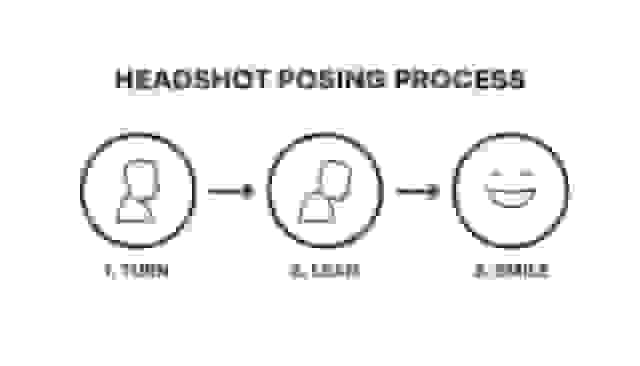
This simple flow—turn, lean, and smile—shows how small tweaks to your posture and expression can come together to create a portrait that feels both dynamic and engaging.
Ensuring Authentic and Photorealistic Results
One of the biggest questions people have about AI is whether the final image will actually look like them. The good news is that reputable services like BetterPic specialize in creating photorealistic AI headshots that are practically indistinguishable from studio photos. The secret is providing good input photos that capture your natural expressions.
The best platforms give you options to fine-tune the results, making sure your female lawyer headshot is an authentic representation of you. You can tweak the details to match your personal style, ending up with a final product that feels both polished and genuine. This technology puts you in the driver's seat of your professional image, ensuring it aligns perfectly with the credible, authoritative brand you've worked so hard to build. It’s a modern tool for a modern legal career.
Where should you use your lawyer headshot across digital platforms?
Getting the perfect headshot is only half the battle. A powerful image is a wasted investment if you don't put it to work effectively. Once you've got the shot, the next crucial step is tailoring it for every digital platform where potential clients, colleagues, and legal recruiters will find you. Each one has its own quirks, and a one-size-fits-all approach just won't cut it.
Think of your digital presence as a single, cohesive brand. When you're consistent across platforms, you build a sense of familiarity and trust before you ever shake hands. That means using the same primary headshot—or a very similar one from the same session—everywhere from LinkedIn to your firm’s website.

Optimizing For Your LinkedIn Profile
LinkedIn is almost always the first stop for professional vetting. That little circular profile frame means you have to be strategic with your cropping to avoid looking awkward. Your face should be the undeniable focal point, so crop your headshot from the mid-chest up.
Make sure you upload a high-resolution image. LinkedIn suggests a minimum of 400x400 pixels, but I always recommend going larger—something like 800x800 pixels—to ensure it looks sharp and crisp, even on high-definition screens. A blurry or pixelated photo can send the wrong message, suggesting a lack of attention to detail.
Your LinkedIn profile photo is your first impression. When someone looks you up after a networking event or before a meeting, a professional and engaging image reinforces the strong impression you made in person.
Don’t overlook the background. It should never compete for attention. A clean, simple backdrop keeps the focus on your face and helps your profile stand out, even at small sizes in search results. For practical examples and styling ideas, our guide to LinkedIn headshots offers a helpful starting point.
Your Law Firm Website And Online Directories
When it comes to your firm's website, consistency is everything. Your headshot needs to feel like it belongs, aligning with the firm's overall brand aesthetic. Whether the vibe is traditional and buttoned-up or modern and approachable, your photo has to fit right in on the "Our Team" or "Attorneys" page.
Always hand over the highest resolution file you have to your firm’s marketing team or web developer. This gives them the flexibility to resize and compress it for the web without losing an ounce of quality. A sharp, clear image reflects the high standards of your entire practice.
The same rules apply to legal directories like Avvo, Martindale-Hubbell, or state bar association sites. These platforms are often ground zero for client acquisition and referrals, making a polished, professional image absolutely essential.
- File Type: Stick with a high-quality JPEG. It offers the best balance of image quality and manageable file size for the web.
- File Naming: Practice good digital hygiene. Name your file professionally (e.g., "Jane-Doe-Headshot-2024.jpg") before sending it off.
- Consistency: Use the same primary headshot across all directories to build instant recognition and reinforce your brand.
Speaker Bios And Conference Materials
If you speak at conferences or contribute to legal publications, your headshot is going to be front and center. Event organizers often need a high-resolution image for printed materials, so having a 300 DPI (dots per inch) version ready to go is a smart move.
For speaker bios, you might want to choose a slightly different shot from your session—maybe one that feels a bit more dynamic or engaging to fit the context of a live event. The goal is to project both expertise and an approachable presence that makes the audience want to connect. A strong female lawyer headshot here can do wonders for your credibility as an expert panelist or keynote speaker.
Most headshot specialists I've worked with suggest updating your professional photos every two to three years. This keeps your image current, reflecting your appearance, style, and career growth. Profiles with up-to-date photos consistently get more engagement, and it’s an easy way to show you’re on top of your game.
What Our Platform Data Reveals About Female Lawyer Headshots
Female attorneys represent a significant and growing segment of our legal headshot orders. Here are the patterns:
- Female lawyers are 27% more likely to request human editing than their male counterparts, most commonly for lighting adjustments and minor retouching, reflecting higher attention to detail in final output.
- Jewel-tone blazers are the fastest-growing style choice. While black and navy still dominate, orders featuring deep burgundy, emerald, and royal blue attire have grown 45% year-over-year among female attorneys.
- Confidence in AI headshots increases with seniority. Female associates are more likely to request re-generation (1.8x the average), while female partners show the highest first-order satisfaction rate of any demographic segment.
- Background preference differs from male lawyers. Female attorneys choose lighter backgrounds 22% more often than male attorneys, with light gray being the most popular choice at 34% of orders.
Common questions about female lawyer headshots
Once you've nailed down the big-picture strategy for your headshots, a few practical questions almost always come up. These are the small details that can make a big difference in the final result, ensuring your investment of time and money pays off.
Let's dive into the most common questions I hear from female lawyers, with some straightforward, actionable answers to help you get it right.
How Often Should I Update My Professional Headshot?
The standard advice is to refresh your headshot every two to three years. Think of it as a professional check-in. This rhythm ensures your photo always feels current, preventing that awkward moment when a new client meets you and thinks, "She looks... different than her picture." A current photo is a cornerstone of credibility.
Of course, life happens. You should definitely schedule a new session sooner if you've made any significant changes to your appearance. This could be:
- A dramatic new hairstyle or color.
- You've started wearing glasses full-time (or stopped).
- Any other noticeable shift in your look.
Big career moves are another great reason for an update. Just made partner? Switched firms? Launched your own practice? A new headshot is the perfect way to visually mark the milestone and project your new professional identity.
Is Professional Makeup Really Necessary For My Headshot?
In a word, yes. Even if you don't wear much makeup day-to-day, I highly recommend it for a photoshoot. This isn't about looking overly made-up or glamorous; it's a technical necessity for the camera.
Studio lights are incredibly bright and have a nasty habit of washing out your features, which can leave you looking tired or flat in photos. A makeup artist who specializes in photography knows exactly how to counteract this.
The goal of headshot makeup isn't to change how you look. It's to make sure you look like the best, most polished version of yourself under intense lighting. It's about defining features, evening out skin tone, and eliminating shine so you look confident and prepared.
A pro will subtly enhance your eyes and bone structure while ensuring your skin looks smooth and natural. It’s a small step that yields a massive improvement in the final image and is standard practice for creating powerful female lawyer headshots.
What Are The Biggest Mistakes To Avoid In A Lawyer Headshot?
It's easy to get a headshot wrong, and a few common missteps can seriously undermine an otherwise strong professional brand. Knowing what to watch out for is half the battle.
Here are the most common mistakes I see:
- Using a Stale, Outdated Photo: This is, by far, the biggest offender. A picture that’s five or ten years old doesn't just look dated; it can subtly erode trust by suggesting you aren’t on top of your professional brand.
- Bad Lighting: Photos that are too dark, blown out with brightness, or have strange, harsh shadows immediately look amateurish. Good lighting is everything.
- A Busy or Distracting Background: The focus must be you. A cluttered office, a chaotic outdoor scene, or a loud, patterned wall pulls the viewer's eye away from where it should be.
- Wardrobe That’s Too Casual or Trendy: Your clothing should reflect your professional authority. Anything too casual can diminish your credibility, while overly trendy outfits will make your photo feel dated in a year or two.
- A Forced or Awkward Expression: Nothing creates a barrier faster than a stiff, unnatural smile or a "deer in the headlights" stare. Your expression needs to project confidence and approachability.
- Low-Resolution Files: A blurry, pixelated image on your LinkedIn profile or the firm's website looks sloppy. Period. Always insist on the highest resolution files available.
Steering clear of these traps is crucial. Your headshot is often your first impression, and you want it to reflect your competence and professionalism perfectly.
Can I Really Use An AI Headshot For My Firm's Website?
Absolutely. The AI headshot generators available today are a world away from the awkward, uncanny images you might have seen a few years ago. Modern platforms produce photorealistic, high-resolution portraits that are more than suitable for any professional use, from firm websites to conference bios.
The trick is to use a high-quality service that's built for professional results. These platforms are designed to create authentic-looking portraits that are virtually indistinguishable from traditionally shot photos. In fact, many law firms and corporate legal teams are turning to AI solutions for their speed, cost-effectiveness, and incredible ability to create a consistent, on-brand look for every attorney on the team. It's a modern tool for a modern legal practice.
Ready to create a portfolio of stunning, professional headshots without the hassle of a photoshoot? BetterPic uses advanced AI to generate over 150 styles of photorealistic, studio-quality images in under an hour. Get the perfect look for your firm website, LinkedIn profile, and more with our 100% money-back guarantee. Get Your AI Headshots Today.
Sources & References
- LinkedIn Profile Photo Tips — LinkedIn
- How Your Profile Photo Impacts Your LinkedIn Presence — LinkedIn Official Blog
- AI Image Generation Market Report — Grand View Research
- How AI Is Changing Photography — Forbes
- Professional Headshot Photography Pricing — Thumbtack

Written by
Apoorv SharmaHead of Performance
Apoorv leads performance and growth at BetterPic with 9+ years of experience across SEO, SEM, and growth marketing. He oversees content strategy, data-driven marketing, and hands-on testing of AI headshot platforms. Previously held senior performance marketing roles across the US, Belgium, and India.
- Google Analytics & Google Ads certified
- HubSpot Inbound & Content Marketing certified
- 9+ years in SaaS growth and performance marketing
Related legal professional headshots resources
Keep exploring this topic with focused resources from the B2C journey.
Primary destination:Lawyer headshots
Frequently Asked Questions
What should a female lawyer wear for a headshot?
- Navy blue projects confidence and intelligence, charcoal gray communicates sophistication, and black signals authority. Jewel tones like burgundy or emerald add approachability without sacrificing professionalism. Use high-quality fabrics like wool blends that hold their shape on camera, and avoid shiny fabrics or busy patterns.
How should a female lawyer pose for a headshot?
- Stand or sit with shoulders rolled back and down for a confident posture. Use a three-quarter turn (body slightly angled, head facing camera) for a dynamic look. Lean subtly forward to signal engagement. A genuine slight smile works for most practice areas, while a calm serious expression suits litigators.
How often should a lawyer update their headshot?
- Every 2-3 years is the standard recommendation. Update sooner if you change your hairstyle, start or stop wearing glasses, make partner, switch firms, or launch your own practice. An outdated photo can subtly erode client trust by suggesting you are not on top of your professional brand.
Can female lawyers use AI headshots for their firm website?
- Yes. Modern AI headshot generators produce photorealistic portraits suitable for firm websites, legal directories, LinkedIn, and conference bios. Law firms are increasingly using AI for its speed, cost-effectiveness, and ability to create consistent on-brand headshots across the entire attorney roster.
What are the biggest mistakes in lawyer headshots?
- The most common mistakes are using an outdated photo (5+ years old), bad lighting with harsh shadows, busy or distracting backgrounds, wardrobe that is too casual or trendy, forced or awkward expressions, and low-resolution files that look pixelated on websites. Each of these undermines professional credibility.
What colors work best for female lawyer headshots?
- Navy blue is universally flattering and projects confidence. Charcoal gray communicates balance and sophistication. Black signals authority but can appear harsh, so pair it with a softer-colored blouse. Jewel tones like deep burgundy or emerald green add modern approachability for client-facing practice areas.
Save 87%on average on your professional photos.
Whenever, wherever you are.
Get studio-quality, 4K images in a variety of outfits & settings in less than an hour.
Get your headshots nowStart now