
A Modern Guide to Female Lawyer Headshots

This article is part of our Industry Headshots collection.
Your professional headshot is the first impression a potential client has of you — long before they read your bio or call your office. For female lawyers, a great photo does more than just show you’re a professional—it communicates the unique confidence and approachability you bring to your practice. It's a critical marketing tool in a field that's more competitive than ever.
Why does your headshot matter so much as a female lawyer?
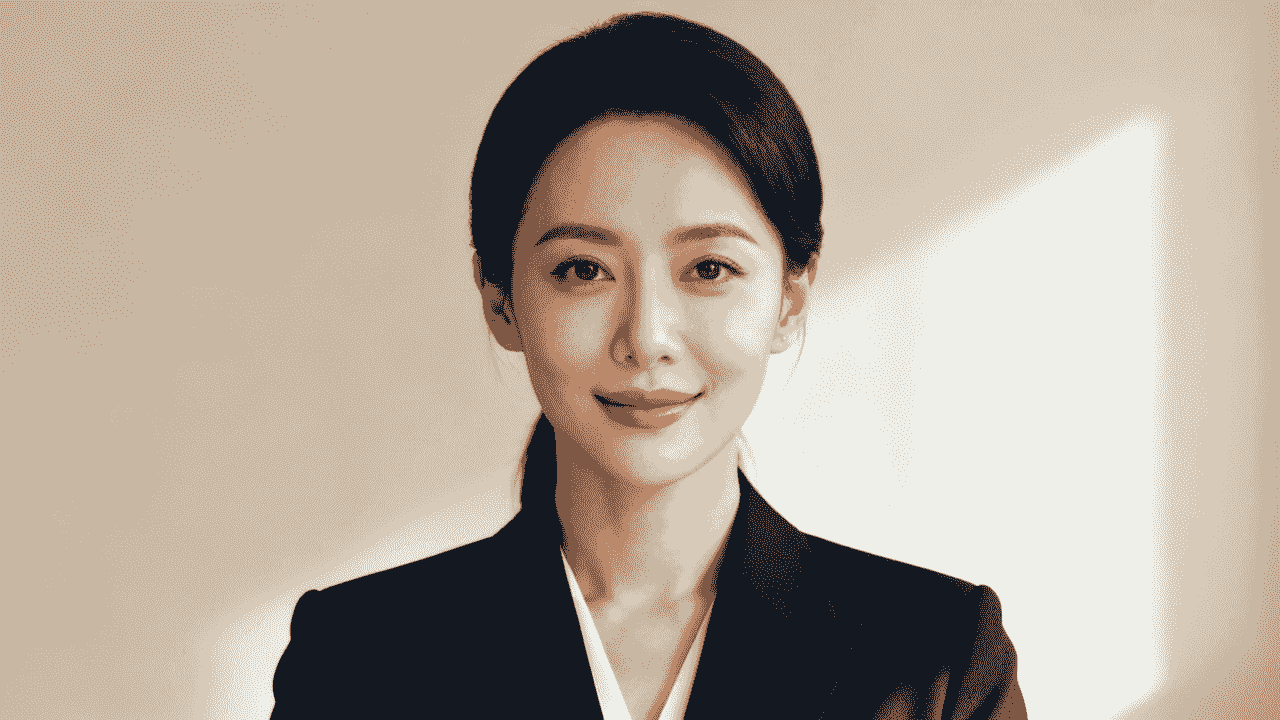
Before anyone reads a single word you’ve written—your bio, your case history, your articles—they see your face. That one image instantly sends a message about your personal brand. Does it say tenacious litigator? Compassionate family law attorney? Razor-sharp corporate counsel? Your headshot sets the stage for every professional interaction that follows.
This first impression has never been more important. The legal world has made huge strides toward gender parity, which means the visibility and marketing needs for women in law are front and center. Women now make up 41% of all lawyers in the U.S. and are the majority in law schools. Standing out with a distinct, professional image isn't just a good idea; it's essential for cutting through the noise. You can explore more about these demographic shifts in the legal field to get a sense of the competitive landscape.
Defining Your Professional Brand Visually
Your headshot isn't just a picture; it’s a strategic piece of your professional identity. It’s your opportunity to sidestep outdated stereotypes and project an image that feels both modern and authoritative. A well-executed portrait can do several things at once.
- Builds Immediate Trust: A warm, confident expression creates an instant connection. It makes potential clients feel more comfortable taking that next step and reaching out.
- Projects Competence and Authority: Professional lighting, smart posing, and the right wardrobe all signal that you're a serious, capable expert in your field.
- Enhances Your Digital Presence: Platforms like LinkedIn are essential for networking and client acquisition. Profiles with professional photos get 36x more recruiter messages than those without.
A strong headshot also ensures your visual identity is consistent everywhere—your firm’s website, your social media profiles, and any materials for speaking engagements. That consistency is what builds a recognizable and respected brand.
The goal isn't just to have a photo. It's to have the right photo. It should capture your unique personality and professional niche, telling a story that clicks with your ideal client before you’ve even said a word.
The Strategic Value of a Quality Headshot
Investing in a high-quality headshot is honestly one of the smartest marketing moves you can make. It’s a foundational asset that props up all your other business development efforts. For female lawyers, in particular, this image carries extra weight. It's a powerful tool for shaping perceptions and pushing back against unconscious bias.
This is your chance to take control of the narrative. By thinking carefully about every detail—from your outfit to your expression—you get to craft an image that aligns perfectly with where you want your career to go. This guide will walk you through the practical, step-by-step advice you need to get a compelling lawyer headshot that works just as hard as you do.
How do you find the right photographer for a lawyer headshot?
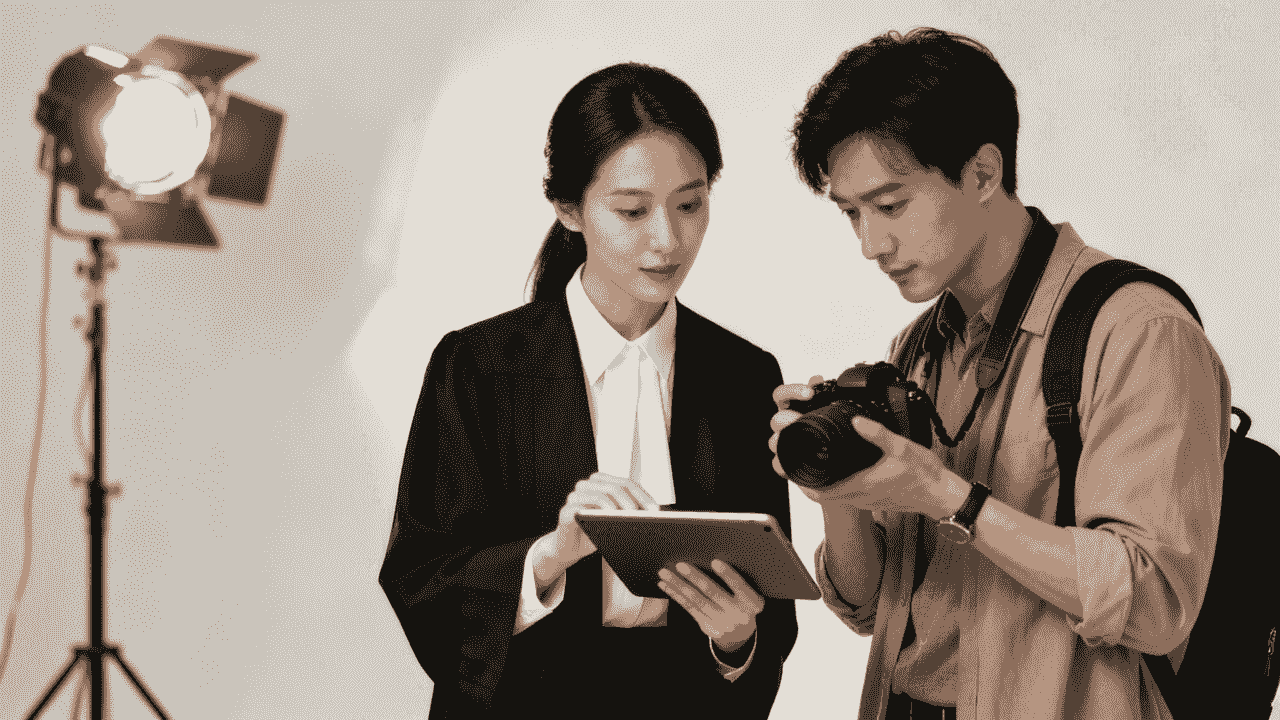
Choosing a photographer is easily the most critical decision you'll make in this process. Not every photographer who takes a pretty picture understands the specific demands of a lawyer headshot. This is especially true for a female attorney who needs to communicate a very precise brand message. You're not just hiring a technician; you're looking for a creative partner.
Start by digging into portfolios, but with a specific goal in mind. Look past the generic corporate photos. Are there examples of professional women, ideally in law or a similar field? Do they look genuine and confident, or do they look stiff and uncomfortable? A strong portfolio shows variety, proving the photographer can adapt to different personalities and brand goals.
Vetting Potential Photographers
Once you have a shortlist, it’s time to get on the phone. This first conversation isn't really about price—it's about their process and their philosophy. You need to make sure their entire approach aligns with what you're trying to achieve professionally.
Here’s what you should ask:
- Process and Collaboration: Ask them to walk you through a typical session. How do they work with clients to make them feel relaxed? What kind of direction do they give for posing and expression?
- Retouching Philosophy: Get specific about their editing style. The end goal is to look like a polished, confident version of yourself, not an airbrushed, unrecognizable avatar. Make sure they specialize in natural, subtle enhancements.
- Licensing and Usage: This is a big one. Confirm that you will receive high-resolution images with unlimited usage rights. You need to be able to use your headshot on your firm’s website, LinkedIn, speaker bios, and anywhere else without restrictions.
A photographer's real job isn't just to press a button. They need to be a director, guiding you to capture the expressions and poses that signal trust, competence, and approachability—the absolute cornerstones of a successful legal career.
Defining Your Visual Brief
Working together on a clear brief is essential. This is where you map out the story your headshot needs to tell. Are you going for that traditional, powerful authority of a partner at a top-tier firm? Or is it more of a modern, client-first approachability for a boutique practice you've founded?
Think about the environment, too. A classic, soft gray background is timeless and conveys authority. But shooting in your office or another professional setting can add personality and context, making you seem more accessible.
This investment is a legitimate marketing expense. While prices vary, as of 2025, professional headshot sessions in the U.S. often land in the low- to mid-hundreds. State averages like $370 in Alabama and $372 in Arizona are common. Of course, specialized studios in major markets will command higher rates, which is something law firms routinely budget for when scaling attorney portraits.
If a traditional shoot isn’t feasible due to time or logistics, you can also explore affordable options for AI-generated professional headshots that produce studio-quality results instantly.
No matter which route you take, articulating your brand goals clearly ensures the final images become powerful assets for your career.
What should you wear, and how should hair and makeup look?
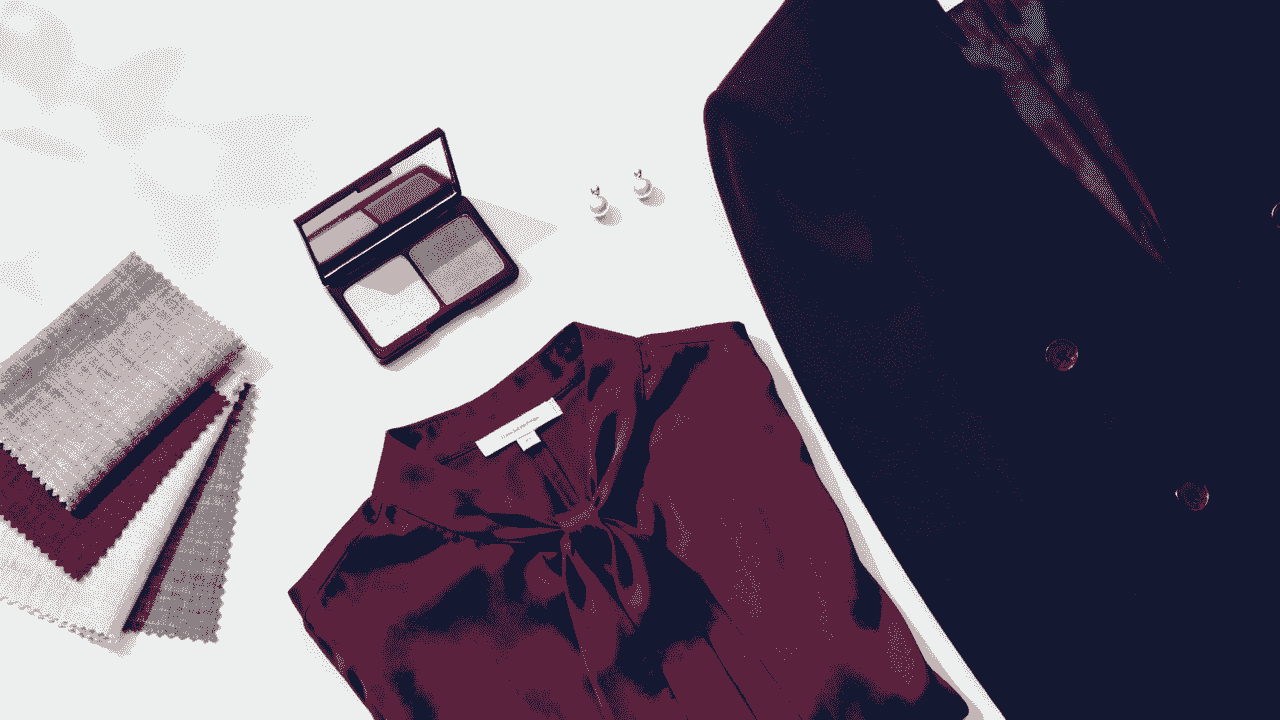
Let's be clear: the choices you make for your wardrobe, hair, and makeup are just as critical as the photographer you hire. These aren't just minor details; they're powerful non-verbal cues that communicate your professionalism and personality before you ever say a word. Getting this right is about moving beyond generic advice to create a lawyer headshot that feels genuinely authentic.
The goal isn't to look like a model. It’s to look like you on your best day at the office, amplified just enough for the camera.
Choosing Your Wardrobe with Intention
Your outfit is the foundation of your professional image. The right one signals trust and competence, while the wrong one can be a massive distraction. Every choice should be deliberate.
Color psychology is a real factor here. There's a reason classics like navy and charcoal gray are timeless—they project trustworthiness and stability. But don’t feel boxed in. Richer jewel tones like emerald, sapphire, or burgundy can project confidence and authority, helping you stand out in a sea of gray suits.
Black is the strongest traditional power color, signaling seriousness and authority, but it can look harsh on camera. Pairing it with a softer-colored blouse keeps the effect polished without overwhelming your face.
Two wardrobe essentials make every option work better:
- Fit is Everything: A well-tailored blazer is a must. Ill-fitting clothes just look sloppy on camera. Make sure your jacket fits perfectly across the shoulders and isn't pulling or hanging loose.
- Fabric Matters: Stick to high-quality, solid-colored fabrics. Think wool blends, thick crepes, or structured knits. Steer clear of anything too shiny, busy patterns, or thin fabrics that wrinkle easily or turn sheer under bright studio lights.
Wardrobe Choices And Their Perceived Message
Choosing what to wear is really about deciding what message you want to send. A structured suit jacket sends a very different signal than a soft, high-quality knit. Here's a quick breakdown of how different wardrobe elements are often perceived.
| Wardrobe Element | Conveys Authority & Tradition | Conveys Approachability & Modernity | Best For Practice Areas Like |
|---|---|---|---|
| Tailored Suit Jacket | ✔️ | Corporate Litigation, M&A, Finance Law | |
| Sheath Dress | ✔️ | ✔️ | Estate Planning, Real Estate, In-House Counsel |
| Silk Blouse | ✔️ | Family Law, Mediation, IP for Creatives | |
| Knit Shell/Top | ✔️ | Non-Profit Law, Immigration, Collaborative Law | |
| Statement Color | ✔️ | Boutique Firms, Solo Practitioners, Personal Injury |
Ultimately, the best choice is the one that aligns with both your personal style and the expectations of the clients you want to attract.
Necklines And Accessories That Work On Camera
The neckline of your top is a surprisingly critical detail in a headshot because it directly frames your face. Trust me, not all necklines are created equal when you get in front of a camera.
A simple, classic neckline ensures the focus remains right where it should be: on your expression and your eyes. It creates a clean visual line that draws attention upward, reinforcing a message of confidence and directness.
Consider these universally flattering options that almost always work:
- V-neck: A great choice that elongates the neck and is generally flattering for most body types.
- Crew Neck or High Neckline: This is a classic, clean, and professional look, especially when layered under a blazer.
- Boat Neck: A sophisticated option that can broaden the shoulders and create a very elegant silhouette.
When it comes to jewelry, my advice is always the same: less is more. The purpose of accessories in a headshot is to add a subtle touch of polish, not to become the main event. Opt for simple, classic pieces like pearl or diamond studs, a delicate necklace, or a timeless watch. You’ll want to avoid large, dangling earrings or chunky statement necklaces that can distract the viewer and quickly date your photo. Your female lawyer headshot should feel timeless, and classic accessories are key to achieving that.
Tailoring Your Look To Your Practice Area
Your wardrobe should absolutely reflect the expectations of your clients. A corporate litigator advising Fortune 500 companies is going to project a very different image than a lawyer specializing in creative intellectual property or family mediation.
A corporate litigator, for instance, would be well-served by a sharply tailored navy suit with a crisp white shell. This look is unambiguous; it communicates serious authority and a respect for tradition. In contrast, an estate planning attorney who works closely with families might opt for a softer look, like a well-fitted sheath dress in a rich color or a blazer paired with an elegant silk blouse. This combination feels just as professional, but far more accessible.
The real key here is authenticity. If you feel uncomfortable or unlike yourself in a stiff, buttoned-up suit, that discomfort will show up in your expression. Choose an outfit that makes you feel confident and powerful—because that feeling is precisely what you want your headshot to capture and convey.
Your wardrobe should support your professional image, not overpower it. The focus must always remain on you—your confident expression and approachable demeanor. Every piece you wear should serve that one central goal.
To keep everything on track, a simple checklist can be a lifesaver. This helps ensure nothing gets overlooked in the days leading up to your session.
Headshot Wardrobe and Styling Checklist
A preparation checklist covering key wardrobe, hair, and makeup considerations to ensure a polished and professional look for your photoshoot.
| Category | Key Consideration | Pro Tip |
|---|---|---|
| Wardrobe | Fit and Tailoring | Try on all outfits a week prior. Get any necessary tailoring done for a perfect fit. |
| Color Palette | Choose 2-3 solid, complementary colors. Navy, charcoal, and jewel tones work well. | |
| Fabric Quality | Select wrinkle-resistant, non-shiny fabrics. Test them under bright light. | |
| Accessories | Pick minimal, classic jewelry. Avoid anything noisy or reflective. | |
| Hair | Cut and Color | Schedule any trims or color touch-ups at least 1 week before the shoot to let it settle. |
| Styling | Decide on a professional, neat style that keeps hair away from your face. | |
| Products | Have anti-frizz or finishing spray on hand for flyaways. | |
| Makeup | Foundation | Use a matte-finish foundation to prevent shine under studio lights. |
| Enhancement | Focus on defining eyes and brows. A neutral lip color is a safe bet. | |
| Professional Help | Consider hiring a makeup artist familiar with on-camera looks. |
This checklist isn't about being rigid; it's about being prepared so you can walk into your session feeling confident and ready.
Hair and Makeup for the Camera
What works for the office doesn't always translate perfectly on camera. Studio lighting is intense and can wash out features or highlight things you'd rather not emphasize. You want to look like a polished, natural version of yourself.
For hair, the key is professional and neat. This isn't the time for a complex updo or a brand-new, trendy style. Your hair should be styled cleanly and kept out of your face so your expression remains the focal point.
Makeup is there to define and enhance, not to mask. Even if you don’t wear much day-to-day, a little is necessary to avoid looking washed out under bright lights. The goal is an even skin tone, defined eyes, and a bit of color on your lips and cheeks. Matte finishes are your ally here—they prevent unwanted glare.
Whether you bring in a professional makeup artist or handle it yourself, the objective is the same: to feel completely comfortable and confident in your own skin. This prep work ensures that when you step in front of the camera, all you have to focus on is projecting the competence and trust that define a great lawyer headshot for a female professional.
What poses and expressions build trust in a lawyer headshot?
Here's a secret I've learned after years of photographing professionals: the magic of a compelling lawyer headshot isn't a perfect smile. It's the authentic expression that creates a genuine connection with the person looking at it. Your pose and expression are the first handshake, communicating trust and competence long before a client ever steps into your office.
Forget the stiff, formal portraits of the past. Today's headshots are all about projecting confidence and approachability. The goal is to look like a trusted advisor, not just another attorney on a billboard. Small tweaks in body language make a massive difference—a slight lean into the camera signals engagement, while relaxed, upright posture communicates quiet authority.
Mastering Your Angles and Posture
Finding your best angles isn't about memorizing rules; it's about discovering what feels natural and makes you look confident. A good photographer will guide you through this, but knowing a few basics beforehand can help you feel more in control of the session.
One of the most effective techniques is to angle your body about 45 degrees away from the camera, then turn your head back toward the lens. This simple move instantly creates a more dynamic and engaging portrait than a straight-on, passport-style shot. Also, pay attention to your hands. If they're in the frame, keep them relaxed. Clenched fists or stiff fingers can scream tension, even if you don't feel it.
Your body language speaks volumes. The most powerful headshots capture a moment of genuine connection, which starts with feeling comfortable and confident in your pose. The aim is to look both professional and approachable.
The Power of an Authentic Expression
A genuine smile or a confident, thoughtful look is the absolute heart of a great headshot. The trick is to avoid that forced, "say cheese" smile. Instead, I tell my clients to think of something real: a big case you won, a moment of pride, or even just a funny memory. This brings a warmth and light to your eyes that's impossible to fake.
Try practicing a few of these expressions in the mirror:
- The Approachable Smile: A gentle, closed-mouth smile feels warm and welcoming. It’s perfect for practice areas like family law or estate planning.
- The Confident Look: Think direct eye contact with just a hint of a smile. This conveys serious authority and expertise, making it ideal for corporate law or litigation.
- The Thoughtful Gaze: Looking slightly away from the camera can create a sense of vision and intellect, positioning you as a strategic thinker.
Current Trends Shaping Perceptions
At the end of the day, it's about striking the right balance between professionalism and authenticity. Current trends in female lawyer headshots are moving away from sterile, flat backgrounds and embracing richer, more natural environments that build trust.
Industry insights from 2024–2025 point to a clear preference for natural lighting, genuine expressions, and fashion-forward yet conservative wardrobes. Together, these elements make professionals appear more competent and approachable. Many photographers now rely on audience-tested techniques—such as warm, muted backgrounds or a subtle three-quarter crop—to create a sense of openness while maintaining authority.
For a deeper look at how these visual choices influence viewer perception, see recent professional headshot trend reports.
The final, and most important, ingredient is simply feeling relaxed. Trust your photographer, take a deep breath, and let your personality shine. That authenticity is what will make a positive, lasting first impression on every potential client who sees your photo.
Where should you use your new lawyer headshot?
Getting the proof gallery from your photographer is always exciting, but the real work starts now. Your goal is to take these images and turn them into a powerful, consistent asset that boosts your professional brand everywhere it appears.
The first move is picking your "hero" shots. It’s tempting to choose favorites based on how you see yourself, but try to look at each photo through a potential client's eyes. Does the expression project confidence? Is it approachable? Does it fit the brand you worked so hard to define, whether that's a sharp litigator or a trusted advisor? It never hurts to get a second opinion from a colleague you trust.
Refining Your Final Selections
Think of professional retouching as a subtle tune-up, not a total overhaul. The best retouching is the kind you don't even notice. It takes care of temporary things like a stray hair, a minor blemish, or a wrinkle in your jacket, all while keeping the natural texture of your skin and the genuine character in your expression.
Your final headshot should look like you on your best day. It's a polished version of reality, designed to build trust by presenting a professional and genuine image. Drastic alterations can undermine that authenticity.
Once you’ve settled on the final, retouched images, keep the highest-resolution master and prepare separate exports for each destination. One file size and crop will not work equally well across print, websites, directories, and social profiles.
Deploying for Brand Consistency
Roll out your new headshot everywhere at once. A simultaneous update across your LinkedIn profile, firm website, Avvo page, and other professional directories creates a unified brand statement.
This consistency reinforces your professionalism and ensures potential clients and colleagues see the same polished, authoritative image wherever they find you.
Optimizing For Your LinkedIn Profile
LinkedIn's circular profile frame makes cropping especially important. Keep your face as the focal point by cropping the portrait from the mid-chest up.
Make sure you upload a high-resolution image. LinkedIn suggests a minimum of 400x400 pixels, but I always recommend going larger—something like 800x800 pixels—to ensure it looks sharp and crisp, even on high-definition screens. A blurry or pixelated photo can send the wrong message, suggesting a lack of attention to detail.
Your LinkedIn profile photo is your first impression. When someone looks you up after a networking event or before a meeting, a professional and engaging image reinforces the strong impression you made in person.
Use a clean background that does not compete with your face, especially when the image appears at a small size in search results. For practical examples and styling ideas, see our guide to LinkedIn headshots.
Your Law Firm Website And Online Directories
Your website portrait should align with the firm's overall visual system, whether its style is traditional and formal or modern and approachable. Give the highest-resolution file to the marketing team or web developer so they can resize and compress it without sacrificing quality.
Apply the same standards to legal directories such as Avvo, Martindale-Hubbell, and state bar association sites:
- File Type: Use a high-quality JPEG for a practical balance of image quality and web file size.
- File Naming: Name the file professionally before delivery, such as "Jane-Doe-Headshot-2024.jpg."
- Consistency: Use the same primary headshot across directories to build recognition and reinforce your brand.
Speaker Bios And Conference Materials
If you speak at conferences or contribute to legal publications, keep a high-resolution image ready for event organizers. Printed programs and promotional materials often require a 300 DPI (dots per inch) version.
For speaker bios, consider another portrait from the same session with a slightly more dynamic or engaging expression. It should still match your primary image while projecting the expertise and approachable presence expected of a panelist or keynote speaker.
What Our Platform Data Reveals About Female Lawyer Headshots
Female attorneys represent a significant and growing segment of our legal headshot orders. Here are the patterns:
- Female lawyers are 27% more likely to request human editing than their male counterparts, most commonly for lighting adjustments and minor retouching, reflecting higher attention to detail in final output.
- Jewel-tone blazers are the fastest-growing style choice. While black and navy still dominate, orders featuring deep burgundy, emerald, and royal blue attire have grown 45% year-over-year among female attorneys.
- Confidence in AI headshots increases with seniority. Female associates are more likely to request re-generation (1.8x the average), while female partners show the highest first-order satisfaction rate of any demographic segment.
- Background preference differs from male lawyers. Female attorneys choose lighter backgrounds 22% more often than male attorneys, with light gray being the most popular choice at 34% of orders.
Common questions about female lawyer headshots
Even with the best plan, a few practical questions always seem to surface right before a headshot session. Getting these details ironed out ahead of time is the key to walking in feeling relaxed, confident, and ready to go.
Let's tackle some of the most common concerns I hear from female lawyers getting ready for their professional portraits.
How Often Should I Update My Headshot?
The standard advice is to refresh your headshot every two to three years. But a more practical rule of thumb? Get a new one anytime your appearance changes in a significant way.
Think about a new hairstyle or color, a noticeable change in weight, or if you've started wearing glasses full-time. Your headshot needs to be an accurate, current reflection of who a client will meet in person. An old photo can create a moment of disconnect, subtly chipping away at the trust you’re trying to build from that first handshake. A current photo, on the other hand, signals that you're on top of your game and invested in your professional brand.
Career milestones are another reason to update. If you have made partner, switched firms, or launched your own practice, a new headshot can mark the change and project your new professional identity.
Should I Wear My Glasses?
Simple answer: If you wear glasses every day at the office, then you absolutely should wear them in your headshot. They're a core part of your professional identity. The trick is just making sure they look great on camera without distracting glare.
Here are a few quick tips I give my clients who wear glasses:
- Go for Anti-Reflective Coating: If your everyday glasses have an anti-glare coating, wear those. It makes a huge difference in minimizing reflections from studio lights.
- Mind the Angle: A good photographer knows how to work with glasses. Sometimes, a tiny tilt of your head is all it takes to eliminate glare completely. They'll guide you.
- Check Your Frames: Make sure your frames are clean, modern, and in line with the sharp, professional image you want to project.
The goal is always authenticity. If clients, colleagues, and judges see you with glasses every day, your headshot should match that reality. It’s all about consistency.
What Are The Biggest Mistakes To Avoid In A Lawyer Headshot?
It's easy to get a headshot wrong, and a few common missteps can seriously undermine an otherwise strong professional brand. Knowing what to watch out for is half the battle.
Here are the most common mistakes I see:
- Using a Stale, Outdated Photo: This is, by far, the biggest offender. A picture that’s five or ten years old doesn't just look dated; it can subtly erode trust by suggesting you aren’t on top of your professional brand.
- Bad Lighting: Photos that are too dark, blown out with brightness, or have strange, harsh shadows immediately look amateurish. Good lighting is everything.
- A Busy or Distracting Background: The focus must be you. A cluttered office, a chaotic outdoor scene, or a loud, patterned wall pulls the viewer's eye away from where it should be.
- Wardrobe That’s Too Casual or Trendy: Your clothing should reflect your professional authority. Anything too casual can diminish your credibility, while overly trendy outfits will make your photo feel dated in a year or two.
- A Forced or Awkward Expression: Nothing creates a barrier faster than a stiff, unnatural smile or a "deer in the headlights" stare. Your expression needs to project confidence and approachability.
- Low-Resolution Files: A blurry, pixelated image on your LinkedIn profile or the firm's website looks sloppy. Period. Always insist on the highest resolution files available.
Steering clear of these traps is crucial. Your headshot is often your first impression, and you want it to reflect your competence and professionalism perfectly.
Can AI Really Produce a Professional Headshot?
Yes, and the technology has come a long way, offering a seriously compelling alternative to a traditional photoshoot. For busy attorneys, blocking out several hours for a studio session is a major logistical headache. This is where high-quality AI steps in.
Modern platforms can now create photorealistic images that are nearly impossible to tell apart from studio portraits. You can choose your background, swap out wardrobe options, and even tweak expressions to perfectly align with your personal brand. For any lawyer needing a fast, professional update without the scheduling nightmare, it’s worth exploring what AI-generated professional headshots can do. It's a way to get a polished, high-end result without the significant time commitment of a classic shoot.
AI headshots have become more widely adopted as professionals look for scalable, high-quality personal branding tools. For law firms, their operational value goes beyond convenience: a shared set of style, lighting, background, and review rules can keep the entire team visually consistent even when traditional sessions cannot happen together.
Ready to create a headshot that reflects your professional excellence without the hassle of a photo shoot? With BetterPic, you can generate studio-quality, photorealistic images in under an hour. Get your professional AI headshots today.
Sources & References
- LinkedIn Profile Photo Tips — LinkedIn
- How Your Profile Photo Impacts Your LinkedIn Presence — LinkedIn Official Blog
- AI Image Generation Market Report — Grand View Research
- How AI Is Changing Photography — Forbes
- Professional Headshot Photography Pricing — Thumbtack

Written by
Apoorv SharmaHead of Performance
Apoorv leads performance and growth at BetterPic with 9+ years of experience across SEO, SEM, and growth marketing. He oversees content strategy, data-driven marketing, and hands-on testing of AI headshot platforms. Previously held senior performance marketing roles across the US, Belgium, and India.
- Google Analytics & Google Ads certified
- HubSpot Inbound & Content Marketing certified
- 9+ years in SaaS growth and performance marketing
Preferred source
Follow BetterPic on Google
Add BetterPic as a preferred source and our headshot guides are more likely to show up in your Top Stories, with a badge in AI Mode and AI Overviews.

Related legal professional headshots resources
Keep exploring this topic with focused resources from the B2C journey.
Primary destination:Lawyer headshots
Frequently Asked Questions
What should a female lawyer wear for a professional headshot?
- Stick with well-tailored blazers in classic colors like navy, charcoal, or jewel tones such as emerald, sapphire, or burgundy. Choose solid-colored, high-quality fabrics and simple necklines. Keep jewelry minimal and classic to avoid distracting from your face.
How often should a female lawyer update her headshot?
- Update your headshot every two to three years, or sooner if your appearance changes significantly (new hairstyle, glasses, weight change). An outdated photo creates a disconnect when clients meet you in person and can subtly chip away at trust.
Should you wear glasses in a legal headshot?
- Wear them if you wear them daily in the office — the photo has to match the person a client meets. Reflections are the reason people leave them off, and angling the light solves that.
How much do professional lawyer headshots cost?
- Professional headshot sessions in the U.S. typically range from the low to mid-hundreds, with state averages around $370. Specialized studios in major markets charge more. AI-generated headshots offer a faster, more affordable alternative with studio-quality results.
What is the best pose for a female lawyer headshot?
- Angle your body about 45 degrees away from the camera, then turn your head back toward the lens. This creates a dynamic, engaging portrait. A gentle closed-mouth smile projects warmth, while direct eye contact with a slight smile conveys serious authority.
Do AI headshots work for legal profiles?
- Law has the narrowest accepted range of any profession, so conservative framing and attire matter more than in other fields. Modern platforms produce photorealistic images that hold up against studio work within that range.
Related articles
View all articles
Real Estate Agent and Realtor Headshots That Build Trust
Learn how real estate agent and realtor headshots build trust, with practical advice on branding, poses, preparation, backgrounds, costs, and AI.
Your Guide to Modern Doctor Headshots That Build Trust
A practical guide to modern doctor headshots that build trust with patients. Learn how to plan, pose, and use AI to create professional medical headshots.
The Ultimate Healthcare Headshot Guide
A complete guide to healthcare headshots—covering wardrobe, posing, lighting, and AI options to help medical professionals build trust and credibility online.
Best Lawyer Headshots — What Top Firms Get Right (And How to Do It Yourself)
What makes the best lawyer headshots work — covering branding, wardrobe, lighting, poses, camera settings, and ROI. With practical tips from real.

6 Reasons Baseball Leagues Need AI Headshots to Boost Sponsorship
AI headshots help baseball leagues present players professionally, attract more sponsors, and increase sponsorship revenue with high-quality team images.

Why Hospitals and Clinics Should Use AI Headshots for Staff
How AI headshots help hospitals and clinics solve the physician photography problem — building patient trust with consistent, professional imagery at a.
Save 87%on average on your professional photos.
Whenever, wherever you are.
Get studio-quality, 4K images in a variety of outfits & settings in less than an hour.
Get your headshots nowStart now