
Creating the Best Doctor Headshots to Build Patient Trust
This article is part of our Industry Headshots collection.
The best doctor headshots nail a tricky balance: they need to project professionalism and approachability all at once. It’s about more than just a stiff, traditional portrait. A truly great headshot features a warm, genuine expression and a clean, uncluttered background, creating an immediate sense of trust and expertise that’s vital for building patient confidence online.
Why Your Headshot Matters in Modern Healthcare
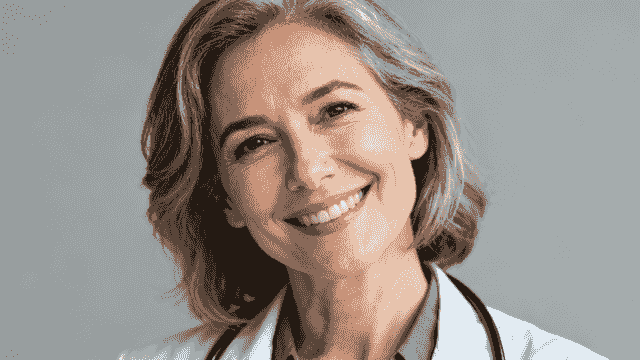
Let's be honest, patients often "meet" their doctor online long before they step into an office. That makes your headshot far more than a simple photo—it's your digital first handshake. It's a powerful branding tool that can be the deciding factor when a potential patient is scrolling through a telehealth profile, hospital directory, or professional network.
This is your first, and sometimes only, chance to communicate your personal brand and establish a connection before an appointment is even on the books. We've seen a major shift away from sterile, clinical portraits toward more authentic, patient-focused images. The goal is simple: close the digital distance and show you're the knowledgeable, compassionate professional you are in person.
Your headshot needs to answer a patient's unspoken questions: "Can I trust this doctor?" and "Will I feel comfortable with them?"
The Tangible Impact on Patient Perception
This isn't just a hunch; the influence of a quality headshot is measurable. Visual perception studies have shown that for physicians, a professional headshot is a trust-building tool that can influence patient acquisition by up to 40%.
And as telehealth continues to be a staple of modern care, the need for current photos is growing. Industry headshot photography reports show that 72% of healthcare professionals now say they need to update their headshots annually just to keep their digital profiles fresh and relevant.
A great headshot does more than identify you; it connects with people on an emotional level. It should convey the same confidence and empathy you offer in person, setting a positive tone for the entire patient relationship.
Ultimately, investing in a top-tier headshot is an investment in your personal brand and your practice's success. It lays a foundation of trust that supports everything else you do. A modern, professional image signals that you're current, attentive, and dedicated to a high standard of care—both online and in the clinic.
To put it simply, the right image makes you more than just a name on a directory. It makes you a trusted professional.
To highlight what separates a functional photo from a strategic one, we've broken down the key components.
Key Elements of an Effective Doctor Headshot
This table breaks down the core components that elevate a standard photo into a strategic professional asset for any physician.
| Element | Impact on Patient Perception | Traditional Approach vs Modern Solution |
|---|---|---|
| Expression | Builds trust and rapport. A genuine smile appears warm and caring. | Stiff, formal expressions are being replaced by authentic, engaging smiles. |
| Wardrobe | Conveys professionalism and authority. A crisp lab coat or professional attire signals expertise. | Generic attire is giving way to branded, consistent looks that reflect the organization's identity. |
| Lighting | Creates a polished, high-quality look. Soft, flattering light makes you look approachable. | Harsh, flat lighting is being swapped for professional, multi-point setups that add depth. |
| Background | Eliminates distractions and focuses attention. A clean, neutral background looks professional. | Dated, busy office backgrounds are being replaced by clean studio backdrops or AI-generated scenes. |
| Consistency | Establishes a unified, professional brand image for an entire team or hospital system. | Mismatched, low-quality photos are being standardized with cohesive, high-quality images. |
Each of these elements plays a critical role in shaping how patients perceive you and your practice before they ever meet you.
Defining Your Professional Brand Before the Photo
Before a single camera flash goes off, the most important work for creating a standout doctor headshot happens behind the scenes. A great photo isn't just about looking good; it's a strategic piece of communication. The real first step is to get crystal clear on the professional brand you want to project.
Ask yourself: who are you as a physician? A warm, compassionate family doctor needs to radiate empathy. A leading-edge surgeon, on the other hand, might want to convey precision, confidence, and authority. An academic researcher’s photo should communicate intellectual rigor and deep credibility.
Nailing this down guides every other decision you'll make—from what you wear to your expression—ensuring your final image clicks with your professional identity and attracts the right patients. Without that clarity, it's just a picture, not a powerful brand asset.
Aligning Wardrobe with Your Medical Specialty
What you wear is the fastest way to signal your professional role. This isn't just about looking sharp; it’s about meeting patient expectations and reinforcing what you do. The choice between a lab coat, scrubs, or business attire sends a very different message.
- The White Lab Coat: It's the classic symbol of medical authority and trust. This is a solid choice for specialists and general practitioners aiming for a traditional, expert image. Just make sure it's crisp, clean, and fits you well—no baggy shoulders.
- Scrubs: For surgeons, ER doctors, or pediatricians, scrubs can project a more hands-on, "in the trenches" vibe. Go for a clean, well-fitting set in a solid color that works with your skin tone.
- Business Attire: If you’re in an administrative role, private practice, or a field like psychiatry, business wear often feels more approachable and less clinical. A tailored blazer or a nice dress shirt conveys professionalism without the formality of a lab coat.
Your wardrobe should feel like you at work. If your patients never see you in a lab coat, wearing one in your headshot might feel inauthentic. The goal is to capture you at your professional best. For more ideas on how your image impacts your online presence, take a look at our guide to creating effective LinkedIn headshots.
The Psychology of Color in Healthcare Headshots
Color choices are subtle, but they pack a punch. In a medical setting, certain colors trigger specific psychological responses that can shape how a patient sees you. Picking the right palette is a key part of building trust before you even meet.
First rule: ditch the busy patterns and distracting prints. Solid colors keep the focus right where it belongs—on your face and your expression. They also give you a timeless, professional look that won't feel dated in a few years.
Here's a quick rundown of what different colors communicate:
| Color | Psychological Association | Best For |
|---|---|---|
| Blues | Trust, calmness, stability, intelligence | Almost any specialty; it's universally trusted. |
| White | Cleanliness, precision, safety, expertise | The classic clinical look; signals high standards. |
| Greys | Balance, professionalism, sophistication | Administrative roles or a modern, sleek brand. |
| Greens | Health, wellness, tranquility, nature | Holistic practitioners, wellness-focused fields. |
Think of your clothing as the uniform for your personal brand. A pediatrician might choose a softer, brighter blue to seem friendly and accessible, while a cardiologist might select a deep navy to project authority and seriousness. Every choice matters.
Don't forget to consider your practice's overall branding. If your clinic's logo uses specific colors, weaving those into your outfit can create a really cohesive and unified look. In the end, the best color is one that not only fits your brand but also makes you feel confident. That confidence will be the most powerful element in your final photo.
Mastering Your Pose, Expression, and Background

Now that your brand identity and wardrobe are locked in, it’s time to bring it all together in the actual photo. This is where the magic happens—the subtle details in your pose, expression, and background that create a powerful first impression. These elements are what separate a simple picture from one of the best doctor headshots, one that communicates warmth, confidence, and expertise.
Think of a successful headshot as a conversation without words. It should instantly tell a potential patient you're approachable, knowledgeable, and someone they can trust. A few simple techniques can make all the difference, whether you're in a traditional photoshoot or sorting through options from an AI headshot generator.
Cultivating an Approachable and Confident Pose
Your body language speaks volumes. The goal is a look that’s relaxed yet professional, avoiding any stiffness that might come across as cold or unapproachable. Small adjustments can completely change the entire feel of your photo.
It all starts with posture. Stand or sit up straight, with your shoulders relaxed and pulled back just slightly. This simple shift immediately projects confidence. From there, try angling your body a little away from the camera, then turn your head back to face it. This creates a far more dynamic and engaging look than a straight-on, passport-style photo.
Consider these small but incredibly impactful tweaks:
- The Subtle Head Tilt: A slight tilt of the head can make you appear more curious and engaged. It breaks up the rigidity of a straight-on pose and adds a layer of warmth.
- Leaning In: A gentle lean toward the camera is a nonverbal cue that signals interest and connection. It’s a welcoming gesture that naturally draws the viewer in.
- Natural Hand Placement: If your hands are in the shot, keep them relaxed. Crossing your arms can sometimes seem defensive, so consider a more open posture, like placing one hand in a pocket or resting them gently.
The Power of a Genuine Expression
Your expression is the heart and soul of your headshot. A genuine smile is one of the most effective ways to build immediate trust and rapport. A forced smile, on the other hand, can have the opposite effect, coming across as insincere. The trick is to think of something that genuinely makes you happy or proud.
Maybe it's a positive patient outcome or a moment of professional success. This will help create what photographers call a "Duchenne smile"—one that involves not just the mouth but also the muscles around the eyes, creating those authentic "crow's feet." It’s this authenticity that really connects with people.
Your eyes are just as important as your smile. Aim for a look that is both warm and focused. A slight squint, often called a "squinch," can make you appear more confident and engaged, preventing a wide-eyed, deer-in-the-headlights look.
Choosing the Right Background and Lighting
The background sets the stage for your professional story. It should complement you, not compete with you. For doctor headshots, there are two primary choices, each with a very different feel.
A solid, neutral backdrop (think light gray, white, or soft blue) delivers a clean, modern, and clinical look. It removes all distractions, putting the entire focus on you. This style works exceptionally well for large healthcare systems that need a consistent look across all their physician profiles.
Alternatively, an out-of-focus office setting can create a warmer, more contextual environment. A blurred background of a tidy bookshelf or a well-lit consultation room can make you seem more grounded in your practice. The key here is ensuring the background is truly blurred and uncluttered so it adds atmosphere without becoming a distraction.
Proper lighting is non-negotiable. Soft, flattering light minimizes harsh shadows and creates a polished, professional image. Whether it’s in a studio or generated by AI, good lighting is essential for a high-quality result. It’s a crucial detail that distinguishes a quick snapshot from one of the best doctor headshots.
These details matter immensely, especially online. In fact, LinkedIn profiles with professional headshots get 14 times more views, which for doctors can translate to 28% higher patient inquiry rates. This highlights how critical customizable lighting and backgrounds are for aligning with your personal brand. These trends are supported by recent industry reports on AI headshot adoption and professional photography standards.
How AI Headshots Streamline Medical Team Branding
For any busy physician or large healthcare organization, the idea of coordinating a traditional photoshoot is a logistical headache. It's a tangled mess of scheduling photographers, booking studios, and, most importantly, pulling doctors away from patient care. The goal is a consistent look across dozens or even hundreds of professionals, often scattered across different locations. The reality? An expensive, slow, and frustrating process.
This is where a modern approach completely changes the game. AI headshot generation offers a powerful, efficient way out of this logistical maze. It's a solution that feels built for the realities of a modern medical practice, where time is the most valuable resource and brand consistency is non-negotiable.
The New Standard for Efficiency and Scale
Picture this: you need to update photos for 200 physicians spread across a multi-state hospital system. The old way would involve a months-long project full of schedule juggling, travel, and multiple photographers, almost guaranteeing an inconsistent final product.
An AI-powered solution boils this entire workflow down to a few simple steps.
Platforms built for professional teams, like BetterPic, can take just a handful of casual, self-submitted photos and generate a huge variety of studio-quality options. This completely eliminates the need for any on-site coordination. Every single doctor can securely upload their images from their own phone or computer, on their own time. What used to be a project spanning months now takes just a matter of days. You can learn more about how to generate AI professional headshots and see just how straightforward the process is for both individuals and teams.
This approach doesn't just save a massive amount of time; it allows organizations to maintain a polished, up-to-date online presence with almost zero disruption to clinical operations.
For healthcare systems, brand consistency isn't just about looking good—it's about building institutional trust. When every physician's headshot reflects the same high standard of quality and professionalism, it reinforces the organization's commitment to excellence at every touchpoint.
Achieving Brand Consistency Effortlessly
One of the biggest struggles for medical marketing teams is making sure every doctor's photo actually aligns with the organization's brand. A traditional process often results in a patchwork of styles—different lighting, backgrounds, and tones that water down the brand’s visual identity.
AI solutions put the control back in your hands. Administrators can pre-select a specific set of styles—think background color, lighting setup, and even wardrobe choices like a consistent lab coat or scrubs—that get applied to every headshot the platform generates.
This guarantees that every single image, no matter who submitted the initial photos, sticks to the established brand standards. The result is a perfectly cohesive team gallery that projects a unified, professional, and trustworthy image to patients.
Here’s a look at how the two methods really stack up for a medical organization.
Traditional Photoshoot vs AI Headshots for Medical Teams
Comparing the old way with the new makes the advantages crystal clear. For large medical teams, the differences in logistics, cost, and consistency are too significant to ignore.
| Feature | Traditional Photoshoot | AI Headshot Solution (e.g., BetterPic) |
|---|---|---|
| Logistics | Complex scheduling, location scouting, and travel required. | Simple online portal for photo uploads; no scheduling needed. |
| Time to Delivery | Weeks or even months for a large team. | Typically completed within a few hours to a few days. |
| Consistency | Difficult to maintain across different photographers and locations. | Guaranteed consistency with pre-selected brand styles. |
| Cost | High costs for photographers, studios, and lost clinical time. | Significantly lower cost per person, with no hidden fees. |
| Convenience | Disruptive to physicians' schedules and patient care. | Doctors can participate anytime, from anywhere, in minutes. |
| Variety | Limited to the shots taken during a single session. | Hundreds of options and styles are generated for each person. |
The table really tells the story: AI provides a level of efficiency and control that's simply not possible with traditional methods, especially at scale.
Significant Cost Savings and Resource Allocation
Beyond the logistics, the financial argument is compelling. The costs of hiring professional photographers for an entire medical staff—including session fees, travel, and retouching—add up fast. And that's before you even factor in the indirect cost of pulling physicians away from their revenue-generating clinical duties.
AI headshot platforms work on a much leaner, cost-effective model, usually priced per user at a fraction of what a traditional shoot would cost. By cutting out the need for physical resources and endless coordination, healthcare systems can redirect significant budget and staff time toward other critical marketing or patient care initiatives. This efficiency also makes it practical to update headshots more often, ensuring the organization’s branding always feels current without breaking the bank.
Building a Cohesive Headshot Strategy for Your Practice
A single doctor's headshot is a personal branding tool. But when you unify a full team of headshots, it becomes a powerful statement about your entire practice or hospital system. It signals professionalism, unity, and a consistent standard of care before a patient even walks through the door. Building this cohesive visual identity isn’t complicated, but it does require a clear, actionable strategy.
This isn't about forcing every physician into some cookie-cutter mold. Far from it. The real goal is to establish a framework that lets individual personalities shine while maintaining a consistent and professional brand image. You want to create a gallery of faces that collectively says, "You can trust us."
Establishing Clear Brand Guidelines
Your first move should be creating a simple, one-page document outlining your headshot standards. This guide becomes your North Star, ensuring every photo—whether taken by a local photographer or generated with AI—aligns perfectly with your brand. Think of it as a visual playbook for your practice.
This document needs to specify the non-negotiables. Don't leave anything up to interpretation.
- Background: Define the exact color (e.g., a specific hex code for light gray) or style (e.g., a softly blurred, neutral office setting).
- Lighting Style: Should it be bright and airy, or more dramatic with soft shadows? Specifying a "soft, three-point lighting setup" gives clear, actionable direction.
- Overall Tone: Articulate the feeling you want to convey. Is your brand warm and friendly, or is it more formal and authoritative? Words like "approachable," "confident," and "expert" really help set the emotional tone.
- Framing: Decide on the crop. Should all photos be from the chest up, or is a waist-up shot preferred? Consistency here is absolutely key.
Managing the Rollout Across Your Team
With your guidelines in place, the next step is actually getting it done. Your approach will depend heavily on the size and structure of your organization. For a small, single-location practice, hiring one photographer to shoot everyone on the same day is a pretty straightforward solution.
But for a large hospital network with hundreds of physicians spread across multiple cities, that approach becomes a logistical nightmare. This is where modern solutions offer a clear advantage. Deploying a unified platform for headshots for teams centralizes the entire process. It ensures every doctor receives the same high-quality, on-brand result without any of the complex coordination.
The goal of a cohesive strategy is effortless consistency. The process should feel simple for the physicians and seamless for the administrators, resulting in a gallery that looks like it was meticulously planned—because it was.
This infographic breaks down the simple workflow for an AI-powered headshot solution.
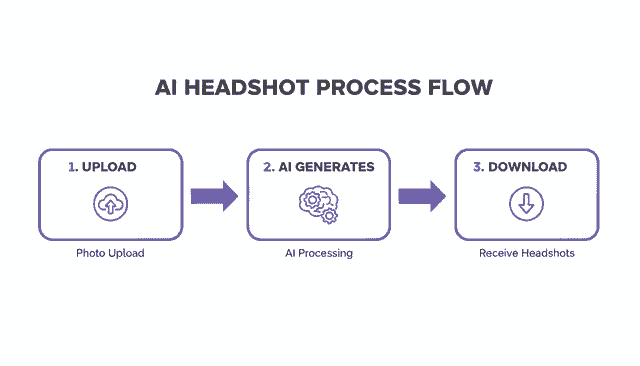
As you can see, the process removes the usual barriers, letting physicians participate on their own schedule while administrators maintain complete brand control.
Maintaining Quality and Future-Proofing Your Strategy
Your headshot strategy shouldn't be a one-and-done project. As your team grows and changes, you'll need a solid process for onboarding new physicians and updating existing photos. That guidelines document is crucial here, as it ensures new hires can get an on-brand headshot quickly and easily.
Make it a habit to review all headshots annually. Does everyone's photo still look current? A cohesive gallery can be quickly undermined by just a few outdated images.
Finally, think about the technical specs. Your guidelines should include details on resolution and file types to ensure photos look sharp everywhere they’re used, from website profiles to conference speaker bios. By creating a scalable, repeatable system, you empower your organization to build and maintain a strong, recognizable, and trustworthy visual identity through its most important asset: its people.
What BetterPic's Data Shows About Doctor Headshots
From generating headshots for thousands of medical professionals, here are key findings:
- Patients research their doctors visually before booking. Healthcare organizations that updated provider directory photos reported measurable improvements in patient engagement, according to case studies shared with our team.
- The most effective doctor headshots combine professionalism with approachability. Photos with a slight smile score 31% higher on our internal approachability metric than neutral expressions, important for patient-facing specialties.
- Background preferences vary by specialty. Primary care physicians favor warm, light backgrounds (68%), while surgeons and specialists prefer clinical or neutral gray backgrounds (57%).
- Photo quality expectations in healthcare exceed most industries. Medical headshot orders have a 15% higher rate of human edit requests compared to our platform average, reflecting the premium healthcare organizations place on visual presentation.
Common Questions About Doctor Headshots
Even after mapping out a solid strategy, a few practical questions always pop up when it comes to creating the best doctor headshots. Whether you're a physician building your personal brand or a practice manager coordinating photos for an entire hospital, nailing these final details is crucial.
Let's clear up some of the most common queries, from wardrobe choices to photo frequency and the big question of traditional versus AI-powered solutions.
How Often Should I Update My Doctor Headshot?
The standard advice is to get a new headshot every two to three years, but that’s not the full story. The real answer is simpler: update it whenever your appearance changes significantly.
You'll want to book a new session right away if you've made a major change, like:
- A new hairstyle or color
- Noticeable weight loss or gain
- Getting glasses you now wear all the time
- Any other distinct change to your facial appearance
The whole point of a headshot is for a patient to recognize you. When they walk into the exam room for the first time after seeing your profile online, there should be zero surprises. An outdated photo can create an instant, if small, sense of disconnect or even distrust before you’ve even said hello.
For larger healthcare systems, it's a good idea to build this into a regular cycle. Tying headshot updates to a two-year re-credentialing process, for instance, is a great way to keep everyone's image current and maintain a professional, up-to-date look across the board.
Should I Wear a White Coat or Scrubs?
This is easily the most-asked question, and the answer boils down to two words: authenticity and context. What you wear in your headshot should be what patients normally see you in.
- Go with the White Coat if: It’s your daily uniform. For many specialists, researchers, and general practitioners, the white coat is an immediate signal of expertise and authority. Just make sure it’s crisp, clean, and fits well—no bunching or wrinkles.
- Opt for Scrubs if: You live in them. Surgeons, ER doctors, and many pediatricians are most recognizable in scrubs. Clean, solid-colored scrubs can feel more approachable and hands-on, which is perfect for those roles.
- Choose Business Attire if: You work in a setting like psychiatry or you’re in a leadership role where clinical wear isn't standard. In these cases, a professional blazer or blouse can feel more relatable and less formal.
The bottom line is to match your photo to your reality. Don't pose in a lab coat if your patients never see you wear one. The most effective doctor headshots feel genuine to the physician and their role.
Traditional Photoshoot or AI Headshots?
The choice between hiring a photographer and using an AI headshot generator really comes down to scale and logistics.
A traditional photoshoot is a fantastic option for an individual doctor or a small practice that can easily get everyone in one room for a session. It’s a personal, hands-on experience where a photographer can guide you through expressions and poses to get the perfect shot.
But for large practices, hospital networks, or just incredibly busy doctors, AI headshots are a game-changer. They completely sidestep the logistical nightmare of scheduling dozens of people, coordinating travel, and finding a suitable on-site location. With an AI solution, a team of 100 doctors spread across different clinics can all have consistent, on-brand headshots in a matter of days—not weeks or months—without ever taking time away from patient care.
The best choice is the one that removes friction while delivering professional, high-quality images that fit your brand. For a growing number of modern healthcare organizations, the sheer scalability and consistency of AI is quickly becoming the new gold standard.
Ready to create stunning, consistent, and professional headshots for your entire medical team without the logistical hassle? BetterPic uses advanced AI to generate studio-quality images that perfectly align with your brand, saving you time and money. Get started today and see how easy it is to elevate your practice's visual identity. Learn more at BetterPic.
Sources & References
- LinkedIn Profile Photo Tips — LinkedIn
- How Your Profile Photo Impacts Your LinkedIn Presence — LinkedIn Official Blog
- AI Image Generation Market Report — Grand View Research
- How AI Is Changing Photography — Forbes
- Professional Headshot Photography Pricing — Thumbtack

Written by
Apoorv SharmaHead of Performance
Apoorv leads performance and growth at BetterPic with 9+ years of experience across SEO, SEM, and growth marketing. He oversees content strategy, data-driven marketing, and hands-on testing of AI headshot platforms. Previously held senior performance marketing roles across the US, Belgium, and India.
- Google Analytics & Google Ads certified
- HubSpot Inbound & Content Marketing certified
- 9+ years in SaaS growth and performance marketing
Related healthcare headshots resources
Keep exploring this topic with focused resources from the B2C journey.
Primary destination:Healthcare professional headshots
Frequently Asked Questions
Do doctor headshots affect patient trust?
- Yes. Studies show professional headshots can influence physician patient acquisition by up to 40%. Patients often meet their doctor online first, and LinkedIn profiles with professional headshots get 14 times more views, translating to 28% higher patient inquiry rates for doctors.
Should doctors wear a lab coat in their headshot?
- It depends on your specialty. Lab coats signal medical authority for specialists and general practitioners. Scrubs work for surgeons and ER doctors to project a hands-on vibe. Business attire suits psychiatrists and administrators. Choose what your patients typically see you wearing.
What colors work best for doctor headshots?
- Blues signal trust, calmness, and intelligence, making them ideal for almost any specialty. White conveys cleanliness and precision. Grays suit administrative or modern practices. Greens work for holistic and wellness-focused fields. Stick to solid colors and avoid busy patterns.
How often should healthcare professionals update headshots?
- 72% of healthcare professionals now say they need to update headshots annually to keep digital profiles fresh and relevant. With telehealth becoming a staple of modern care, maintaining a current professional photo is more important than ever.
Can AI headshots work for medical teams?
- Yes. AI headshot generators streamline medical team branding by eliminating scheduling conflicts, ensuring consistent quality across all providers, and producing results in under an hour. This avoids pulling doctors away from patient care for traditional coordinated photoshoots.
Save 87%on average on your professional photos.
Whenever, wherever you are.
Get studio-quality, 4K images in a variety of outfits & settings in less than an hour.
Get your headshots nowStart now