
Real Estate Agent and Realtor Headshots That Build Trust

This article is part of our Industry Headshots collection.
Let's be honest, your real estate headshot is your digital handshake. It’s the very first impression a potential client has of you, long before you ever get a chance to meet them in person. This isn't just a picture; it's a powerful marketing tool that works around the clock to communicate your professionalism, build trust, and define your brand.
A great headshot can be the difference between a client scrolling past your profile or deciding you're the agent they need to call.
Why Your Headshot Is Your Most Important Marketing Tool
In a business driven by visuals, your headshot is the absolute cornerstone of your personal brand. Think about it—it’s the one constant across every single one of your marketing channels. It's on your website, your LinkedIn profile, your business cards, and even your "For Sale" signs. That consistent visual presence builds instant recognition and a sense of familiarity, which is everything in an industry built on relationships.
Put yourself in a client's shoes. They're scrolling through dozens of agent profiles on Zillow or Realtor.com. It's a sea of faces. What makes them stop and click on your profile? The photo is a major factor in that first impression. A warm, confident, and professional image immediately signals that you're competent and approachable.
On the flip side, an outdated selfie or a poorly lit photo can send the wrong message. It might subconsciously suggest a lack of attention to detail—a quality nobody wants in the person handling the biggest financial decision of their life.
The Psychology of a First Impression
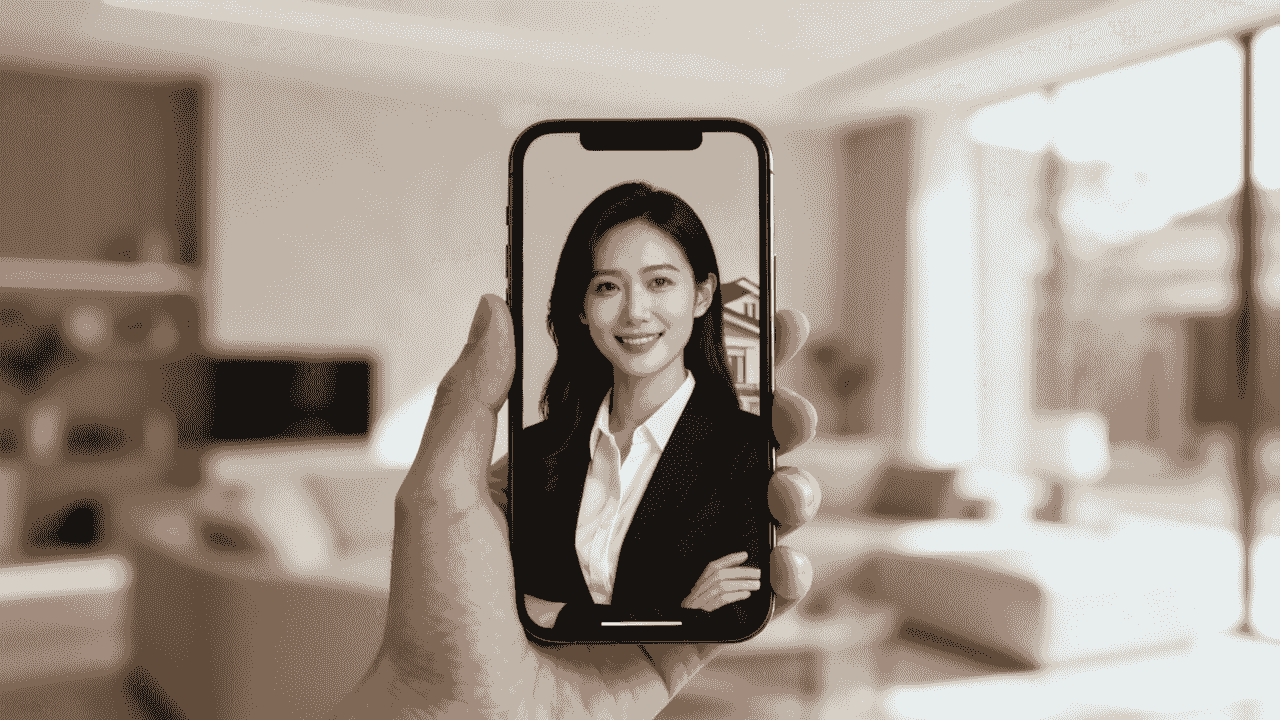
People are wired to make quick judgments. Research on facial impressions shows that a face can shape perceptions such as trustworthiness and competence before a conversation begins. Your headshot can use this psychological shortcut to your advantage. A high-quality photo does more than just show what you look like; it tells a story about your brand.
For instance, an agent specializing in luxury high-rises might go for a sleek, modern backdrop and more formal attire. This look communicates exclusivity and a premium level of service. In contrast, an agent who loves working with first-time homebuyers might choose a warmer, more casual outdoor shot to appear friendly and accessible. Both are smart, strategic choices designed to connect with a specific audience.
Your headshot isn't just about looking good; it's about looking right for your ideal client. It’s a calculated marketing decision that sets the stage for every interaction that follows.
This initial connection is where the real value is. A strong headshot can support better business outcomes:
- Increased Click-Through Rates: More potential clients will choose your profile from a long list of competitors.
- Higher Perceived Value: A professional image helps justify your commission and signals a top-tier service.
- Faster Trust Building: Clients feel like they already have a sense of who you are, making that first call or meeting feel much less like a cold introduction.
Ultimately, investing in professional real estate agent headshots is an investment in your credibility. It's the silent workhorse of your marketing strategy, building your reputation one impression at a time.
Defining Your Brand Before the Camera Clicks
A great headshot doesn't just happen by accident. It’s a direct result of smart, upfront planning. Before you even think about finding a photographer or picking out a backdrop, you need to get crystal clear on the message you want your image to send. Your real estate agent headshot is your silent brand ambassador, working around the clock to attract the right clients.
So, start with this one simple question: What's the number one feeling I want a potential client to have when they see my photo? The answer will shape every other decision you make, from your outfit to your expression.
Identify Your Core Brand Message
Your brand is more than just a logo or a slick color scheme—it’s the promise you make to your clients. Are you the go-to agent for luxury waterfront estates? The friendly, trusted guide for first-time homebuyers? Or the sharp, no-nonsense pro who closes deals fast? Each of these personas needs a completely different visual strategy.
- The Luxury Specialist: Your brand is all about sophistication and premium service. Your headshot should scream this with polished, formal clothing, a sleek background, and a confident, poised expression.
- The Approachable Guide: You build connections with warmth and trust. A genuine, welcoming smile, softer lighting, and a professional-but-not-stuffy outfit will show clients you're open and supportive.
- The Efficient Professional: Clients come to you for your directness and market knowledge. A clean, sharp photo against a solid neutral background, combined with a direct gaze and professional business wear, telegraphs competence and authority.
Nailing down your brand identity first is the most important step. It's the difference between ending up with a nice picture and a powerful marketing tool. For brokerages looking to create a unified brand image, exploring professional headshots for teams ensures every agent’s photo hits the right note.
Curating the Perfect Wardrobe
What you wear in your headshot is one of its most powerful non-verbal cues. It tells a story before anyone reads your bio. Your goal should be to pick an outfit that looks professional but still feels like you.
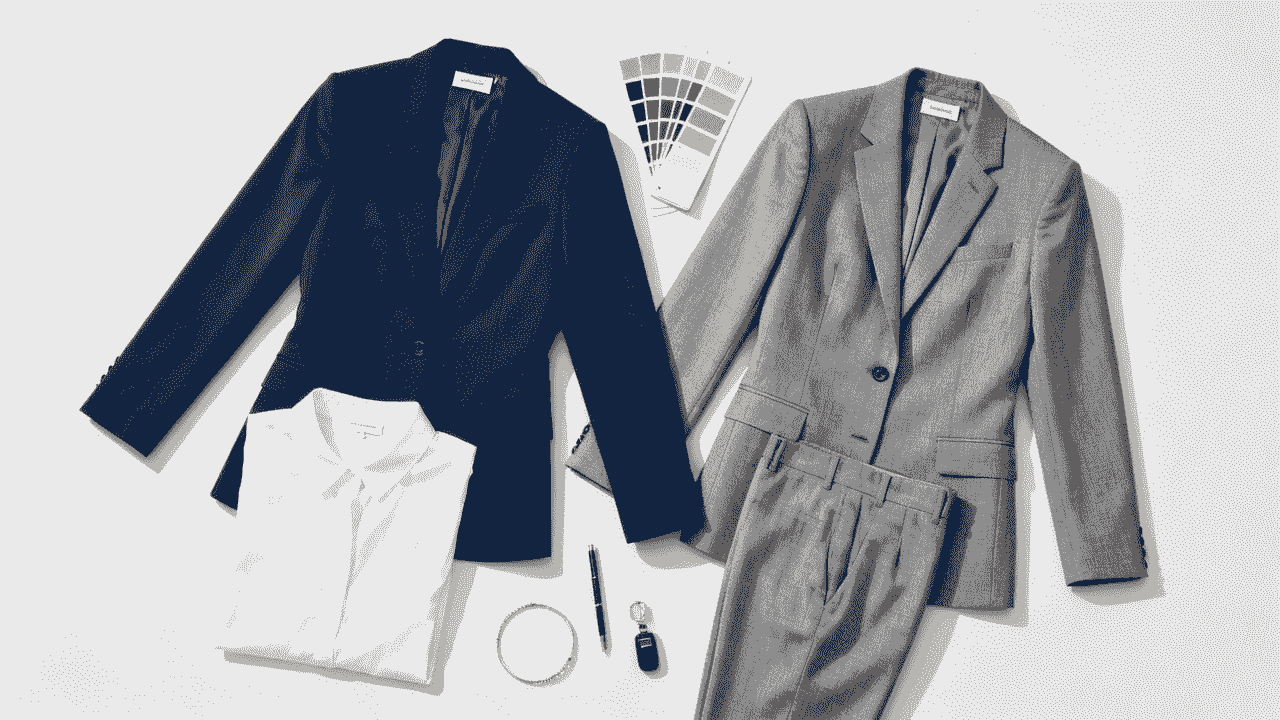
Solid colors are almost always your best bet. They keep the focus where it belongs—on you. Busy patterns, on the other hand, can be incredibly distracting and often look distorted or "pixelated" when your headshot is viewed on a small screen.
Think about the psychology of the colors you choose:
- Deep Blues & Grays: These colors are universally linked to trust, stability, and professionalism. You simply can't go wrong with a well-fitted navy blazer or a charcoal gray suit.
- Rich Jewel Tones: Colors like burgundy, emerald green, or deep purple can help you stand out from the crowd while still looking confident and polished.
- Neutral & Earth Tones: Shades like beige, cream, or olive can create a feeling of warmth, calm, and approachability.
The most important thing is to wear clothes that make you feel genuinely confident. If you're fussing with an ill-fitting jacket or feel awkward in a suit that isn't your style, that discomfort is going to be obvious on camera.
Timeless Style Over Fleeting Trends
Finally, choose a modern look that will not feel tied to one short-lived trend. Steer clear of accessories, hairstyles, or cuts that instantly date the photo. Your real estate agent headshots should stay useful until your appearance, role, or brand gives you a reason to refresh them.
Stick with classic silhouettes and simple, elegant jewelry. A crisp button-down shirt, a simple sheath dress, or a classic blazer ages more gracefully than an outfit built around a passing trend. This keeps the focus on you and makes the image easier to reuse across seasonal marketing.
Matching Your Headshot to Your Real Estate Niche
A generic portrait can show that you are professional, but a deliberately branded one can also show prospects that you understand their priorities. Align the formality, expression, and setting with the clients you want to serve while keeping the final image recognizably you.
Capturing the Luxury Market
Luxury clients expect polish and close attention to detail. A tailored suit, structured dress, or refined blazer pairs well with a confident, composed expression. Keep grooming, accessories, lighting, and retouching precise rather than flashy.
Choose a setting that fits the properties you represent: a minimalist office, a refined interior, or a softly focused architectural feature can all work. Darker neutral backgrounds can add an editorial feel, but check that your hair and clothing remain distinct from the backdrop.
A luxury headshot is not about looking expensive. It is about showing that you understand the visual language and service expectations of the market.
Connecting with First-Time Homebuyers
First-time buyers often want a knowledgeable guide who makes an unfamiliar process feel manageable. Smart-casual clothing, softer lighting, relaxed posture, and a warm expression can communicate that balance of competence and accessibility.
A bright interior, a tree-lined neighborhood, or a simple neutral studio background can all support this positioning. Keep the context subtle: the image should suggest homes and community while your face remains the clear focal point.
Tailoring Your Image for Commercial Real Estate
Commercial real estate clients include business owners, investors, and executives, so the image usually benefits from a more direct, businesslike tone. Classic professional attire, structured posture, and an assured expression can signal authority without becoming severe.
An office, a blurred city skyline, or a clean dark-gray or navy studio background reinforces the setting. The aim is to look like a focused strategic partner who can handle complex decisions, not to imitate a residential or lifestyle campaign.
How to Prepare for a Real Estate Headshot Session
Good preparation removes small distractions so you can focus on expression and posture. In the day or two before a traditional shoot, prioritize sleep and hydration, keep your normal skincare routine, and avoid testing products that might irritate your skin. Confirm the address, arrival time, parking, weather plan, and what the photographer expects you to bring.
On shoot day:
- Arrive early: Give yourself enough time to settle in rather than carrying the stress of a rushed trip into the first frames.
- Eat beforehand and bring water: Steady energy makes it easier to stay engaged through repeated poses and expressions.
- Pack two clothing options: Bring one reliable choice and one slightly bolder alternative, both clean, pressed, and on-brand.
- Bring a lint roller, comb, and small mirror: Cameras magnify flyaway hair, lint, a crooked collar, and other details that are easy to fix on set.
- Save two or three reference photos: Examples help you explain the crop, expression, lighting, and background you want without relying on vague descriptions.
- Practice briefly: Use your phone camera the night before to find a comfortable angle and a genuine smile; the rehearsal should help you relax, not lock you into a pose.
If you are preparing input photos for an AI session, use recent images with even light, several angles, and no filters or other people in frame. Include enough variety for the system to learn your features, but keep your current appearance consistent across the uploads.
Plan the Background and Lighting
Choose a simple background that supports your brand without competing with your face. A neutral studio wall is versatile; softly blurred greenery, architecture, or a property setting can add context when it stays secondary.
- Use natural window light: Face a large window, with the photographer between you and the glass, for soft, even light without harsh shadows.
- Welcome overcast skies: Cloud cover acts like a giant softbox, diffusing outdoor light and flattering facial features.
- Use broad studio modifiers: A large softbox or umbrella gives controlled, even light. Place the key light slightly above and to one side of your face, then use fill from the opposite side to keep shadows subtle.
- Avoid harsh midday sun: Direct overhead light creates deep shadows under the eyes and nose and makes people squint.
Mastering the Poses and Expressions That Build Trust
Alright, you've nailed down your brand and picked out the perfect wardrobe. Now comes the part that makes most people a little tense: getting in front of the camera. But here's the secret—mastering your pose and expression isn't about being a supermodel. It's about communication. Your body language, your smile, every little detail sends a message and builds subconscious trust with potential clients.
The goal here isn't just to look nice. It’s to look like the exact person someone would trust with one of the biggest financial decisions of their life. This takes a bit of thought, but it’s what turns a simple photo into a powerful first impression.
From Stiff to Confident: The Power of Posing
You’d be amazed at how tiny tweaks in your posture can completely change the vibe you give off. Standing ramrod straight and facing the camera head-on often looks confrontational or, let's be honest, like a passport photo. A simple turn changes everything.
The three-quarters turn is a classic for a reason. Just angle your body slightly away from the lens, then turn your head back to face the camera. This one move creates a more dynamic, flattering line and makes you look far more engaged and approachable.
Beyond that, here are a few small adjustments that make a huge difference:
- Lean In (Just a Bit): A subtle lean toward the camera signals interest and engagement. It's a non-verbal cue that says, "I'm listening and I'm focused on you."
- Create Some Space: Don't clamp your arms to your sides. That's a surefire way to look rigid. Create a small gap by placing a hand on your hip or just bending your elbow slightly. It adds shape and dimension.
- The "Chin Down" Trick: A common mistake is tilting the head back, which can look awkward. Instead, think about pushing your forehead slightly toward the camera and bringing your chin down a touch. It works wonders for defining your jawline and creating a look of confidence.
Your pose should feel grounded and natural. Think "confident authority," not "stiff soldier." You're projecting a relaxed sense of control that puts clients at ease before you've even shaken their hand.
These visual cues matter because clients often compare agent profiles side by side. Treat posture and expression as deliberate brand choices: the image should communicate the same qualities you promise in your bio and reinforce when you meet a client.
The Million-Dollar Expression
Your expression is the heart and soul of your real estate agent headshot. A forced, cheesy "say cheese!" grin can come across as inauthentic or even a bit desperate. You're aiming for something genuine that actually reflects your brand.
Here's a pro tip: right before the shutter clicks, think of something that genuinely makes you happy—a funny memory, a favorite client, closing a big deal. This will often spark a Duchenne smile, which is the real deal that involves the muscles around your eyes. It’s the kind of smile people instinctively trust.
Think about where you'll be using the headshot, as that should guide your expression.
- For Social Media & Zillow: A warm, open-mouthed smile is perfect. It’s inviting and friendly, ideal for platforms where personality is key.
- For Your Official Bio & LinkedIn: A more controlled, confident smile (often closed-mouth) can signal serious professionalism and expertise. It says you mean business but are still approachable.
- For Luxury Branding: A subtle, knowing smile can project sophistication and exclusivity. It’s less about being overtly friendly and more about conveying quiet confidence.
Spend some time in front of a mirror. See what feels natural. Your best expression is one you can hold comfortably and that truly represents the pro you are. It’s that authenticity that makes a potential client stop scrolling, click on your profile, and decide to give you a call.
What Do the Best Realtor Headshots Have in Common?
The strongest realtor headshots feel intentional without looking staged. Use this checklist when you compare final images:
- Authentic confidence: Relaxed shoulders, an engaged gaze, and natural posture communicate self-assurance more effectively than a rigid pose.
- An approachable expression: A genuine smile helps buyers and sellers imagine a comfortable working relationship. A subtler expression can still feel welcoming when it matches your market.
- Brand-consistent colors: Coordinate clothing and background tones with your website, brokerage palette, and social profiles so every touchpoint feels connected.
- Clean, modern composition: Even lighting, a clear focal point, and an uncluttered crop keep attention on your face and signal care in the details.
- Useful resolution and crops: Choose a high-resolution original that can support both digital and print placements, then export portrait, square, and landscape versions instead of forcing one crop everywhere.
- Relevant context: A softly blurred office, property entrance, or architectural detail can suggest real estate without competing with you.
The goal is not glamour for its own sake. It is a current, recognizable image that looks like the same capable person a client will meet in real life.
Common Real Estate Headshot Mistakes to Avoid
Most weak headshots fail because a small choice distracts from the person or creates a mismatch with the brand. Check for these problems before approving the final files:
- Over-retouching: Remove temporary blemishes and stray hairs, but keep natural skin texture, lines, and features. Clients should recognize you immediately in person.
- Using an unpolished phone photo as the final image: A phone is useful for practice or AI inputs, but a casual crop with uneven light, a busy room, or visible lens distortion can weaken an otherwise professional profile.
- Choosing the wrong expression for your niche: A warm residential image and a more assured commercial portrait can both work. The mistake is choosing a mood that conflicts with the clients you serve.
- Ignoring grooming and wardrobe details: Flyaway hair, lint, wrinkles, glare on glasses, and a crooked collar become obvious in a tight crop.
- Capturing too little variety: Get more than one expression and allow room for square, vertical, and horizontal crops. Different platforms and print materials rarely use the same shape.
- Letting the image become unrecognizable: Replace it when your appearance or brand changes rather than relying on heavy editing to force an old image to feel current.
Review the smallest profile crop as well as the full-resolution file. A background or accessory that looks subtle at full size may compete with your face when the image is reduced.
Choosing the Right Headshot Method for Your Business
Once you've nailed down your brand and style, the next big question is: how are you actually going to get the shot? Real estate agents today have a few different paths to choose from, and each comes with its own trade-offs in cost, time, and quality.
Your final decision really boils down to your budget, your timeline, and how hands-on you want to be. Let's walk through the three main options: hiring a pro, doing it yourself, or using a modern AI tool.
The Traditional Route: Hiring a Professional Photographer
For decades, this was the only way to do it, and for good reason. A professional photographer brings a ton of expertise to the table, not just with lighting and cameras, but with directing people to look their absolute best. They know how to take your brand goals and turn them into a high-quality, authentic image.
When you hire a pro, you’re investing in a guided experience. They’ll help you with posing, make sure the lighting is perfect, and deliver a polished, retouched photo that’s ready to go. This is the best bet for agents who want a premium, hands-off process and are willing to invest in it.
But that investment can be significant. Photographer pricing varies widely by market and city, as well as session scope, styling, retouching, usage rights, and the number of final images. Ask for itemized quotes and compare what is included; a traditional session will generally cost substantially more than an AI workflow, especially across a brokerage.
The Scrappy Solution: DIY Headshots
If you're on a tight budget or just need a photo yesterday, the DIY route can be tempting. Modern smartphone cameras are surprisingly good, so it’s definitely possible to take a decent picture on your own. You get total control over the timing, location—everything.
But just because it's possible doesn't mean it's professional. The real challenge with DIY is recreating what a pro brings to the table: great lighting, a clean background, and expert posing guidance. Without those key ingredients, you can easily end up with a photo that looks amateurish, which can subtly undermine your brand.
A DIY headshot is a lot like DIY plumbing. You might be able to fix a small leak, but a professional ensures the whole system works flawlessly. The risk is that a DIY photo tells potential clients you might cut corners elsewhere, too.
If you decide to go this route, you'll need to invest in some basic gear to get it right:
- A tripod is non-negotiable for keeping the camera steady and avoiding blur.
- A ring light or another good light source will help you get rid of harsh, unflattering shadows.
- A neutral background, like a plain wall, is essential for a clean, professional look.
The Modern Alternative: AI Headshot Generators
There's a new option on the block that perfectly blends quality, speed, and affordability: AI headshot generators. This technology gives you a fantastic middle ground between the high cost of a photographer and the high risk of a DIY shoot.
The process couldn't be simpler. You just upload a handful of casual photos—even selfies work—and the AI creates a huge variety of studio-quality headshots for you to choose from.
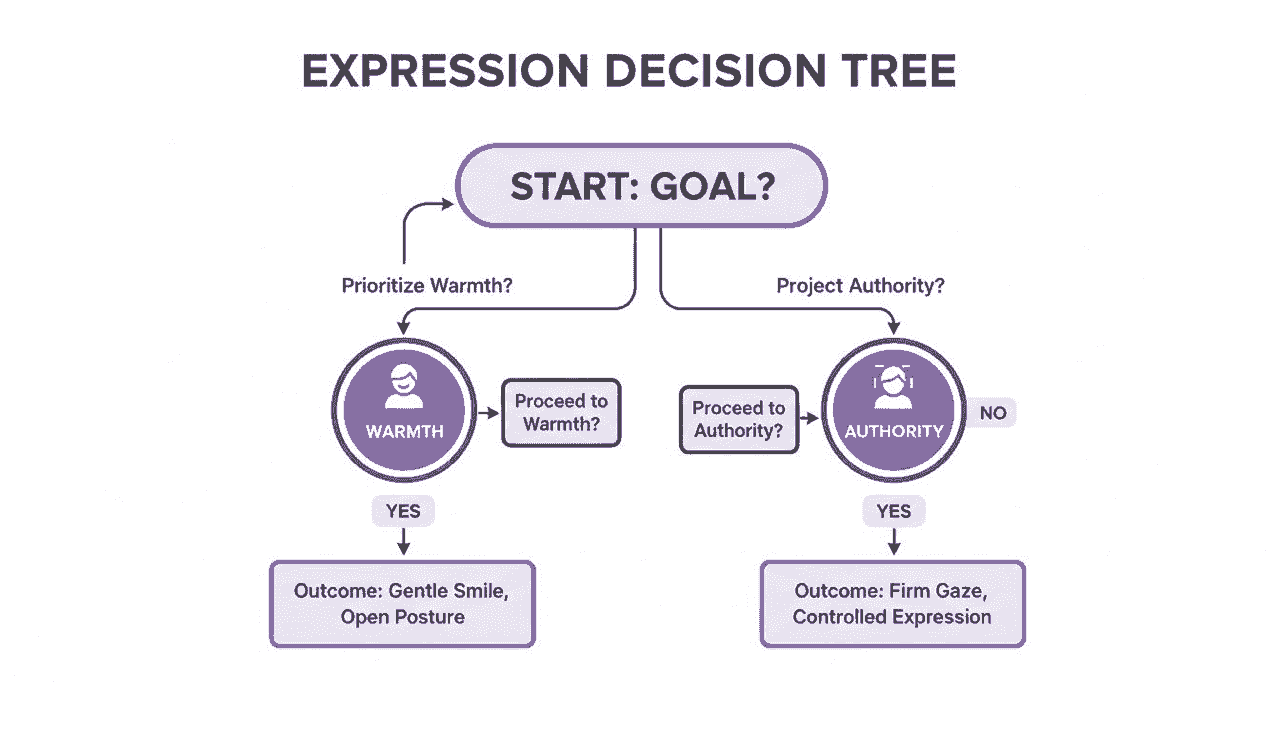
This decision tree is a great way to visualize how your expression can align with your brand. A warm, open smile builds approachability, while a more focused, direct gaze projects authority and expertise. Both are powerful tools.
The biggest wins here are speed and variety. BetterPic's paid delivery windows run from one to two hours depending on tier, with options for different outfits, backgrounds, and styles without leaving your desk. For a busy agent who needs a formal LinkedIn photo, a casual social image, and a sharp file for a business card, that flexibility is useful; see the current plan details.
The cost is just a fraction of a traditional photoshoot, making it an incredibly efficient way to elevate your marketing. It’s an ideal choice for agents and teams who need flexibility, consistency, and a great return on their investment. If you're curious, you can see how AI headshots can generate photorealistic images that are perfectly tailored to your brand.
So, which path is the right one for you? Let's break it down side-by-side.
Headshot Options Comparison for Real Estate Agents
| Method | Typical Cost | Time Commitment | Quality & Consistency | Best For |
|---|---|---|---|---|
| Photographer | Substantially more than AI; varies by market and scope | Scheduled shoot plus separate editing and delivery | High, though team consistency requires a shared brief and controlled setup | Agents who want live direction and a custom on-location or studio experience |
| DIY | Existing equipment or any lighting and support gear you add | Self-directed setup, shooting, and editing | Variable; consistency depends on photography skill and setup | Agents comfortable managing the full process themselves |
| AI Generator | BetterPic one-time plans: Basic: $35 for 20 headshots in 1 style; Pro: $39 for 60 in 3 styles; Expert: $79 for 120 in 6 styles. Free tier: up to 10 headshots. Teams: $49 one-time per seat. See pricing. | About 2 hours (Basic), 1.5 hours (Pro), or 1 hour (Expert) | High and repeatable when inputs and team presets are consistent | Agents and teams that need varied, standardized headshots without scheduling a shoot |
Ultimately, the best method depends on your specific business needs. A professional photographer offers unparalleled quality for those who can invest the time and money. A DIY approach works in a pinch but comes with risks. And for the modern agent, an AI generator offers a powerful, efficient, and high-quality solution that fits perfectly into a fast-paced business.
Putting Your New Headshots to Work Across All Platforms
An amazing headshot is a powerful asset, but only if people actually see it. Now that you've got a professional image that perfectly captures your brand, the final step is to get it out there across every single client touchpoint. This isn't just about swapping out a profile picture; it's about creating a unified, consistent brand presence that builds instant recognition and hammers home your credibility.
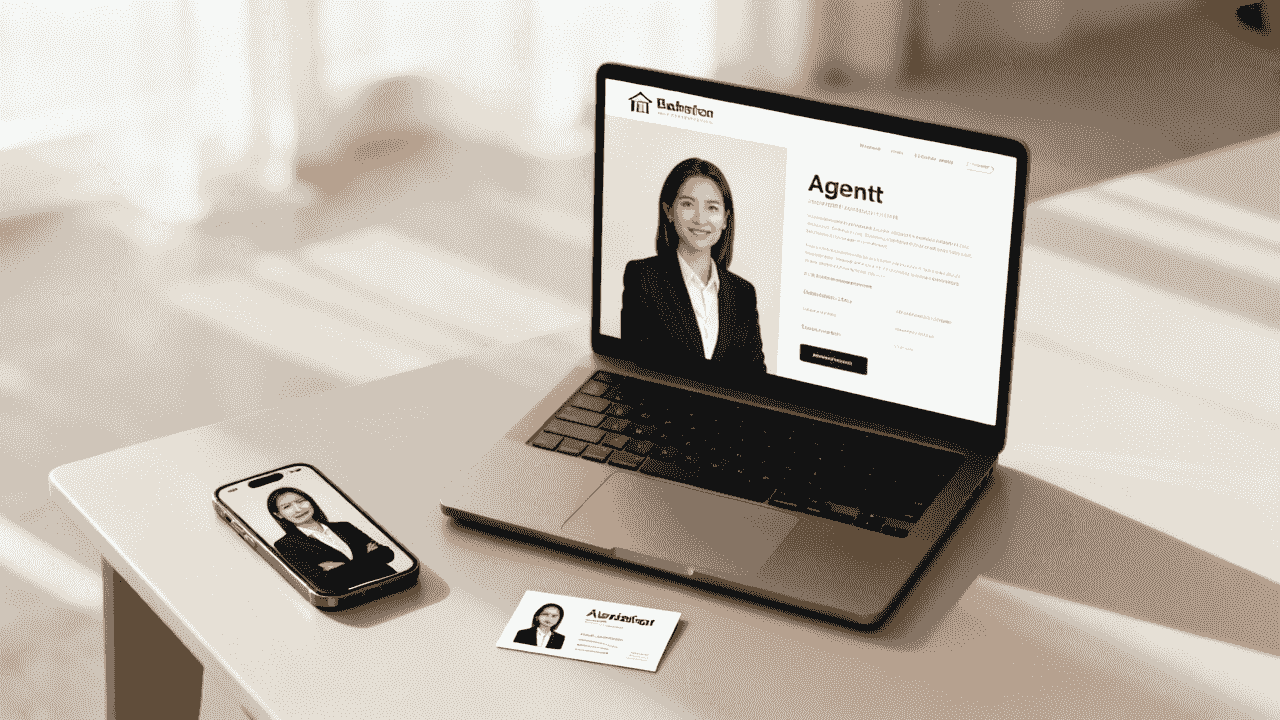
That consistency is what turns a simple photo into a marketing workhorse. When a potential client sees the same polished, professional face on your website, a "For Sale" sign, and their social media feed, it creates a powerful sense of familiarity and trust before you've even spoken a word.
Your Website and Agent Bio
Think of your website as your digital storefront. Your headshot needs to be front and center. Place your primary headshot on your "About Me" or "Meet the Team" page, making sure it’s the high-resolution version that nails the brand message you decided on earlier—whether that’s approachable expert, luxury specialist, or hyper-efficient pro.
But don’t just drop the photo in and call it a day. Make sure it’s properly sized and compressed for the web. A massive image file can slow your site's load time to a crawl, and a slow website is a great way to send potential clients clicking away. This small technical detail is a huge part of a good user experience.
What Image Specs Do I Need for Print vs Digital?
Keep one high-resolution master and make separate exports for each placement. Repeatedly resizing and resaving the same small file can degrade it, while sending the full master everywhere creates unnecessarily heavy pages and emails.
- For digital use: Export an sRGB JPG or WebP at the platform's recommended pixel dimensions. A 72 PPI export is common for screen delivery, but the actual pixel dimensions and compression determine how sharp it looks online. Prepare square and portrait crops for profiles plus a landscape crop for banners or article bylines.
- For print: Supply a high-resolution JPG or TIFF at 300 PPI at the final printed size. Confirm the crop, bleed, and color-profile requirements with the printer before producing business cards, brochures, postcards, or yard signs; do not upscale a small web file and expect it to remain crisp.
Name the master clearly and store the approved exports together. That simple workflow helps prevent an assistant, designer, or print vendor from grabbing an old or low-resolution version.
How Do Brokerages Keep Agent Headshots Consistent?
A brokerage should define the visual system before agents submit photos: approved background colors, lighting direction, crop and headroom, expression, wardrobe formality, and retouching level. Give everyone the same short brief and sample images so "professional" does not mean something different to every person.
Centralize the approved files and use a consistent naming convention for web, social, MLS, and print exports. Add headshot requirements to agent onboarding, assign someone to review final images, and keep the template available when a new hire joins or an existing agent refreshes their photo.
For distributed teams, shared AI presets can apply the same background, clothing direction, and output treatment without coordinating one photo day. Agents can still choose an expression that fits their niche while the brokerage preserves a recognizable overall look. Headshots for teams can support that standardized workflow.
Optimizing Your Professional Networking Profiles
Platforms like LinkedIn are where you connect with peers, referral partners, and high-value clients. Your headshot here needs to scream competence and professionalism. This is the spot for that sharp, confident image—maybe the one with the more formal outfit or the clean, solid background.
Remember, a client’s first step in vetting you is often a quick search for your LinkedIn profile. A crisp, clear photo isn't optional. For a deeper dive into making your profile pop, check out our complete guide to creating killer LinkedIn headshots.
Dominating Real Estate Marketplaces
On platforms like Zillow and Realtor.com, your headshot is literally right next to dozens of your competitors. An image that is both professional and warm can make all the difference. A friendly, engaging expression makes you seem more approachable and might just be the thing that encourages a buyer or seller to make that first click.
- Zillow Profile: Use a high-quality photo that makes you look trustworthy and like you know your stuff.
- Realtor.com: Double-check that your image is current and reflects the agent you are today.
- Local MLS: Your MLS profile photo gets pulled for all sorts of marketing materials, often automatically. Make sure it’s a great one.
These platforms are visual battlegrounds. A polished photo signals to sellers that you take marketing seriously, which is exactly what they’re looking for in an agent.
Your headshot is a direct reflection of your professional standards. On a crowded platform, a superior image doesn’t just help you stand out—it implies a superior service.
Quality and consistency matter most here. Use the same current image across marketplaces, keep the crop clear at thumbnail size, and make sure the photo reflects the professionalism clients will encounter when they contact you.
Everyday Branding Touchpoints
Your branding doesn't stop online. Weaving your headshot into your daily communications reinforces your professional image at every single turn.
- Email Signature: Add a small, cleanly cropped version of your headshot to your email signature. It personalizes every single message and helps you stay top-of-mind.
- Business Cards: A modern business card is a mini-billboard for your brand. A great headshot makes your card far more memorable and personal than one with just a logo.
- Marketing Materials: From "Just Listed" postcards to neighborhood newsletters, your consistent image builds local recognition and authority block by block.
From Deployment to Data
Treat your headshot like any other marketing asset by measuring what changes after you deploy it. Before replacing the old image, record a 30-day baseline from the platforms you already use. Then let the new headshot run for another 30 days and pull the same reports for an apples-to-apples comparison.
Track signals that connect to the places where the image changed:
- Profile views: Compare views on Zillow, LinkedIn, and your brokerage profile.
- Contact form submissions: Record inquiries from pages where your headshot appears.
- Social engagement: Watch profile visits, connection requests, and engagement on otherwise comparable posts.
- Email response: If your headshot appears in your signature, compare reply rates for similar outreach rather than mixing in a new campaign or offer.
Document the date, channels, and any other marketing changes that could affect the result. A lift may be correlated with the new image rather than caused by it, but a clean baseline gives you evidence for deciding which expression, crop, or background to keep testing.
Knowing When to Refresh Your Headshot
Finally, remember that even the best real estate agent headshots have a shelf life. Your photo has to be a current and accurate representation of you. Nothing is more jarring for a new client than meeting you in person and discovering that your profile no longer resembles you. It subtly erodes the trust you worked so hard to build.
Our platform data shows that real estate agents tend to revisit their headshots sooner than professionals overall. Use that pattern as a practical review prompt rather than a rigid expiration date. Refresh sooner when your hairstyle, glasses, appearance, brokerage, role, or brand positioning changes in a way that makes the current image feel inaccurate.
What Our Data Shows About Real Estate Agent Headshots
Across headshots generated in 2025, our Sentinel quality scoring and BetterPic platform order data found the following patterns among real estate agent customers. For the background trend, we compared the mix of real estate orders placed in 2024 with those placed in 2025.
- Real estate agents update headshots 2x more frequently than the average professional. The median reorder interval for agents is 14 months, compared to 27 months overall, driven by branding refreshes, brokerage changes, and seasonal marketing pushes.
- Outdoor and property-adjacent backgrounds are gaining ground. While 58% of agent orders still choose studio-style backgrounds, outdoor settings (doorways, landscaping, modern architecture) have grown from 12% to 34% of real estate orders since 2024.
- Agents in luxury markets prefer darker, more editorial styling. Orders from high-value markets choose dark backgrounds and formal attire at nearly double the rate of the overall agent population.
- Team consistency drives agent adoption. 45% of our real estate headshot orders come through brokerage team accounts, where maintaining a consistent look across all agent profiles is the primary motivation.
- The most common AI edit for agents is background swap. Real estate professionals use our AI Studio background change feature 3x more than the average user, often testing multiple settings before selecting a final headshot.
Your Top Headshot Questions, Answered
Even with a solid plan, a few questions always pop up when you're getting ready for new headshots. It's easy to get bogged down in the details, but a few straight answers can clear things up and help you move forward. Let's tackle the questions I hear most often from agents.
This isn't just about getting a picture taken; it's about making smart choices that reflect your brand and respect your budget. When you nail these details, your headshot starts working for you.
How Often Should I Update My Headshot?
Use the platform trend above as a checkpoint for reviewing whether your image is still accurate, not as a universal deadline.
Update sooner if you've had a significant change in your appearance or professional brand. Think things like:
- A major hairstyle or color change.
- You've started wearing glasses (or stopped).
- A noticeable change in weight.
The goal is simple: your headshot needs to look like you—the you of today.
What’s the Best Background Color for a Realtor Headshot?
The best background supports your brand without stealing the show. Start with contrast: choose a tone that is distinct from your skin, hair, and clothing so your face remains the focal point. Light gray and off-white are versatile, while dark gray or navy can feel more formal. Warm beige and muted earth tones can create a friendlier residential look.
Your background sets the stage. A clean, professional setting suggests a clean, professional approach to business. A cluttered or unprofessional one sends the opposite message.
If you want to signal a specialty, use context deliberately:
- An out-of-focus modern interior: This is a strong fit for contemporary or luxury homes. It suggests sophistication without shouting.
- A sleek office or city backdrop: This communicates seriousness and suits urban or commercial work.
- A pleasant outdoor scene: A softly blurred park, neighborhood, or architectural detail can feel approachable and locally grounded.
There is no universal best color. Preview the image beside your website and brokerage branding, check that the background does not merge with your outfit, and make sure the setting still reads clearly at a small profile-photo size. AI headshot tools make it practical to compare several professional backdrops before choosing one.
Can I Actually Get a Professional Headshot with AI?
Yes, you absolutely can. Modern AI headshot generators can create high-resolution images from a set of recent casual photos, placing you in different professional outfits, poses, and backgrounds. Review the results for an accurate likeness and natural details before you publish them.
The main advantages are speed, variety, and cost. You can create options for different platforms without scheduling separate traditional sessions for every outfit or setting.
Can I Use My Phone for a Real Estate Headshot?
A modern phone can produce a workable DIY headshot when you use soft window light, a stable tripod, the rear camera, and a clean background. Avoid portrait-mode artifacts around hair and glasses, and do not use a low-resolution crop from a group photo. Phone images are also suitable as AI inputs when they are recent, sharp, unfiltered, and show you alone from several angles.
How Long Does a Real Estate Headshot Session Take?
Plan for a traditional session to occupy part of your day. A single look in one studio setup takes less time than a shoot with hair and makeup, several outfits, or location changes, so ask the photographer to separate on-camera time from later editing and delivery when you compare options.
An AI workflow does not require a booked shoot. BetterPic's paid tiers currently list delivery in 2 hours for Basic, 1.5 hours for Pro, and 1 hour for Expert; the free tier uses queue-based delivery. Check the pricing page for the current package details.
What's the Single Biggest Mistake to Avoid?
Without a doubt, the most damaging mistake you can make is using a low-quality or obviously amateur photo. I'm talking about cropping yourself out of a family picture, using a poorly lit selfie, or uploading a blurry, pixelated image.
Your headshot is a direct reflection of your professional standards. A subpar photo tells potential clients you might be willing to cut corners elsewhere, like on marketing their home. It makes them question your attention to detail. Investing in a quality image is a non-negotiable investment in your brand and your credibility.
Ready to create a professional headshot that captures your brand? BetterPic's paid plans deliver studio-quality real estate agent headshots in 2 hours for Basic, 1.5 hours for Pro, or 1 hour for Expert, with multiple styles and backgrounds to choose from. Get your headshot or compare current plans.
Sources & References
- First Impressions — Psychological Science

Written by
Apoorv SharmaHead of Performance
Apoorv leads performance and growth at BetterPic with 9+ years of experience across SEO, SEM, and growth marketing. He oversees content strategy, data-driven marketing, and hands-on testing of AI headshot platforms. Previously held senior performance marketing roles across the US, Belgium, and India.
- Google Analytics & Google Ads certified
- HubSpot Inbound & Content Marketing certified
- 9+ years in SaaS growth and performance marketing
Preferred source
Follow BetterPic on Google
Add BetterPic as a preferred source and our headshot guides are more likely to show up in your Top Stories, with a badge in AI Mode and AI Overviews.

Frequently Asked Questions
How much do real estate agent headshots cost?
- Traditional photographer sessions cost substantially more and vary widely by market, session scope, and deliverables. BetterPic's one-time plans start at $35 for 20 headshots delivered in about two hours, making consistent updates simpler for individuals and teams.
What should a real estate agent wear for headshots?
- Solid colors work best. Deep blues and grays project trust and stability, jewel tones like burgundy and emerald help you stand out, and neutral earth tones create warmth. Wear clothes that make you feel confident. A well-fitted blazer is a reliable go-to.
How often do agents refresh their headshots?
- Real estate refreshes faster than any other profession because the portrait is part of the pitch. Platform data shows a 14-month median reorder interval for agents, well below other fields.
What is the best pose for a real estate headshot?
- Use a three-quarters turn: angle your body slightly away from the camera, then turn your head back to face the lens. Lean in slightly to signal engagement. Push your forehead toward the camera and bring your chin down a touch to define your jawline.
Do AI headshots work for real estate?
- Real estate is the field where the portrait appears on the most surfaces — signage, listings, cards — and print resolution is therefore the binding requirement. Modern generators produce high-resolution images that hold up against studio work.
Where should real estate agents use their headshot?
- Deploy your headshot everywhere: website and agent bio, Zillow and Realtor.com profiles, LinkedIn, email signature, social media, and print materials like business cards and yard signs. Consistent use across all platforms builds recognition and credibility.
Related articles
View all articles
Your Guide to Modern Doctor Headshots That Build Trust
A practical guide to modern doctor headshots that build trust with patients. Learn how to plan, pose, and use AI to create professional medical headshots.
The Ultimate Healthcare Headshot Guide
A complete guide to healthcare headshots—covering wardrobe, posing, lighting, and AI options to help medical professionals build trust and credibility online.
A Modern Guide to Female Lawyer Headshots
A modern, practical guide to female lawyer headshots—covering wardrobe, posing, lighting, and branding to build trust and authority.

Best Lawyer Headshots — What Top Firms Get Right (And How to Do It Yourself)
What makes the best lawyer headshots work — covering branding, wardrobe, lighting, poses, camera settings, and ROI. With practical tips from real.
6 Reasons Baseball Leagues Need AI Headshots to Boost Sponsorship
AI headshots help baseball leagues present players professionally, attract more sponsors, and increase sponsorship revenue with high-quality team images.

Why Hospitals and Clinics Should Use AI Headshots for Staff
How AI headshots help hospitals and clinics solve the physician photography problem — building patient trust with consistent, professional imagery at a.
Save 87%on average on your professional photos.
Whenever, wherever you are.
Get studio-quality, 4K images in a variety of outfits & settings in less than an hour.
Get your headshots nowStart now