
Should You Put A Photo On Your CV

This article is part of our Professional Headshots collection.
Including a photo on a CV or resume seems like a simple choice, but it is one of the most region dependent details in any application. In some countries a small headshot is expected, in others it can hurt your chances or even raise legal concerns.
This guide walks through when a CV photo is appropriate across regions and industries, how to handle international job searches and what a professional headshot should look like if you decide to include one. Throughout, we will also touch on practical ways to create a realistic, professional image at home or with AI tools like BetterPic when a photo is required.
Should you include a photo on your CV? (Quick answer by country)

Here is the short overview before we go deeper.
- United States, Canada, United Kingdom, Ireland, Australia and New Zealand
In these markets, resumes are usually text only and adding a photo is discouraged or explicitly advised against because of anti discrimination rules and the risk of unconscious bias. (Source: MyPerfectCV, Novoresume, ResuFit) - Many continental European countries
In countries such as Germany, Austria, Switzerland, France, Spain and Italy, a small professional headshot on the CV is still common or often expected, although some employers are slowly moving toward photo free formats. (Source: ResuFit, Novoresume) - Much of Asia and parts of the Middle East and Africa
In many Asian and Middle Eastern markets, CV photos remain standard and omitting one can look unusual, even though anti discrimination laws may exist on paper. Source: ResuFit, Novoresume) - Latin America
Practices vary. Some countries still expect photos, others are shifting toward photo free CVs, so local research really matters. (Source: TopCV, Novoresume) - Appearance based roles globally
For acting, modelling and some performance or hospitality roles, professional headshots are expected regardless of country. (Source: MyPerfectCV, Novoresume)
If you are unsure, the safest default is a text only resume and a strong LinkedIn or portfolio photo.
What's the difference between legal rules and cultural norms for resume photos?
Two forces shape CV photo expectations:
- Legal frameworks such as the US Equal Employment Opportunity Commission (EEOC) guidance and the UK Equality Act 2010, which push employers to avoid photos to reduce discrimination based on protected characteristics like age, gender and ethnicity. (Source: MyPerfectCV, Novoresume)
- Cultural and hiring norms, especially in parts of Europe, Asia and Africa, where including a photo has long been standard practice and is still considered a normal part of introducing yourself. (Source: ResuFit)
In English speaking markets, companies often avoid CV photos to reduce legal risk and to keep hiring focused on skills and experience. In markets where photos are common, recruiters may feel a photo helps them remember candidates or makes an application feel more personal.
Understanding both the law and the local habit is key before you attach any image.
What are the CV photo guidelines by region?
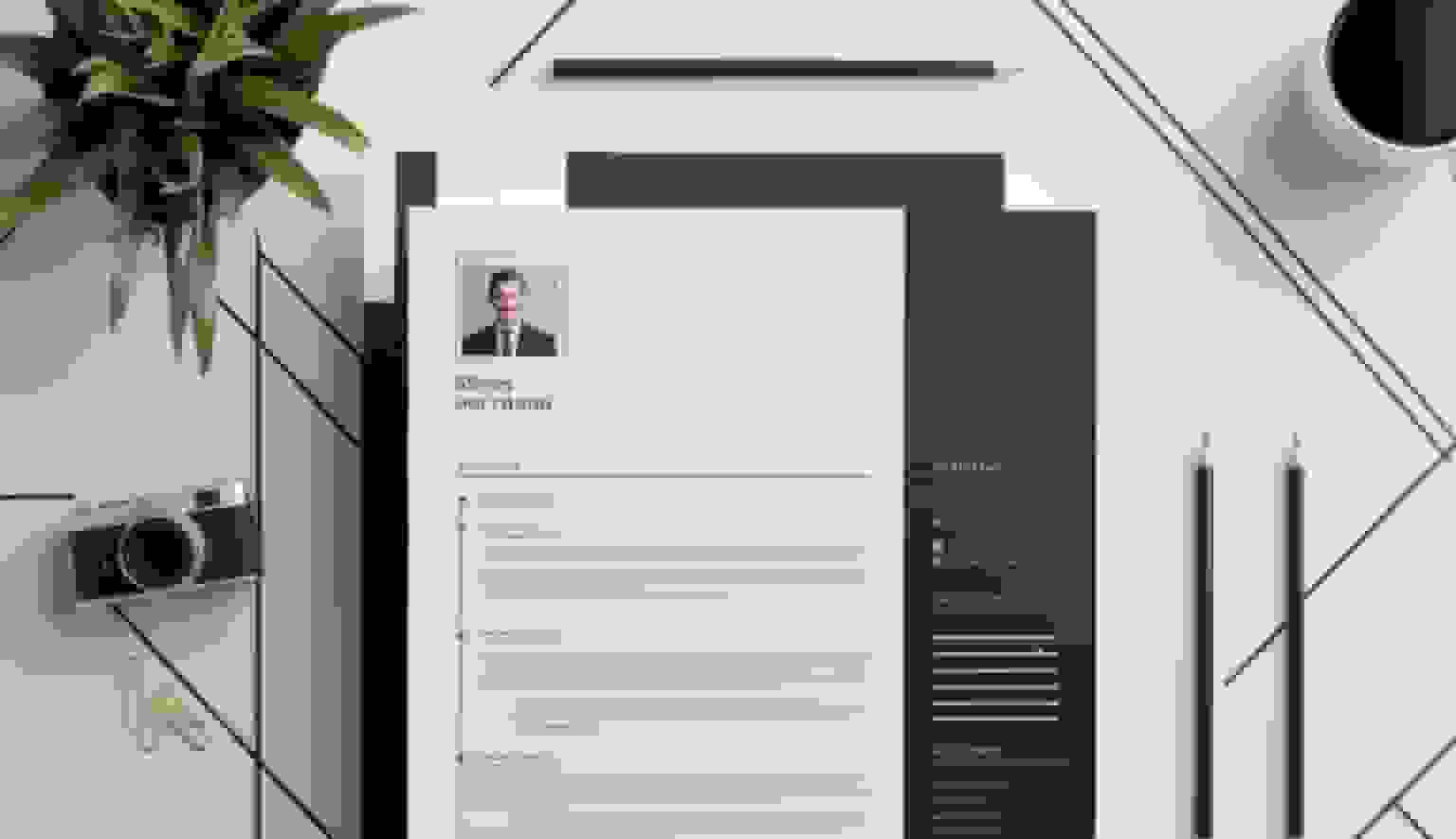
United States and Canada
- Default recommendation: do not include a photo on your resume.
- The EEOC in the US advises against photos because they can expose age, gender and ethnicity and increase discrimination risk, so many employers will not accept resumes with headshots at all. (Source: MyPerfectCV, Novoresume)
- Canadian human rights legislation similarly discourages employers from requesting or using photos in recruitment. (Source: Novoresume)
Exceptions are limited to roles where appearance is integral to the work, such as acting or modelling. In most corporate, tech, finance, government and non profit roles, a photo on the resume is a red flag.
United Kingdom, Ireland, Australia, and New Zealand
- In the UK, recruiters generally expect CVs without photos and some companies will discard CVs that include headshots to stay aligned with the Equality Act 2010. (Source: TopCV, MyPerfectCV)
- Similar advice now applies in Ireland, Australia and New Zealand, where adding a photo is discouraged except in narrow entertainment or modelling contexts. (Source: Novoresume, MyPerfectCV)
If you are applying to a UK or Australian employer, a clean, photo free CV looks more up to date than one with a headshot.
Continental Europe
Photo norms vary across Europe.
- In Germany, Austria and Switzerland, including a professional photo on a Lebenslauf (CV) has traditionally been standard and is still common. (Source: ResuFit)
- In France, Spain and much of Southern Europe, photos remain widely used and are often expected, though some employers are starting to move away from them. (Source: ResuFit, Novoresume)
- In Nordic countries, photos are becoming less common as employers adopt more skills based hiring, but you will still see both formats in use. (Source: ResuFit)
When applying in continental Europe, a professional headshot placed neatly in the header of your CV will not look out of place, but always check current practice for the specific country and industry.
Asia
In many Asian countries, a CV photo is still the norm:
- This catches people off guard more often than you'd think, particularly when hiring remotely in India or similar markets, where the headshot is expected but nobody on the hiring side remembered to mention it. (Source: Novoresume, Resume.co)
Although anti discrimination laws are evolving, omitting a photo in some of these markets can still look unusual.
Middle East And Africa
- In parts of the Middle East, especially in client facing roles in places such as Dubai, CV photos remain common. (Source: TopCV)
- Several African countries also accept or expect CV photos, while others are shifting to photo free formats, so country specific research is important. (Source: MyPerfectCV)
Latin America
- In many Latin American markets, especially Argentina, Brazil, Peru and parts of Central America, CV photos are still widely used, although practices are changing and some employers now prefer no image. (Source: TopCV, Novoresume)
A Note On Multinational Companies
If you are applying to a local office of a global firm, check where the company is headquartered. Some companies apply home country standards everywhere, meaning a UK or US headquartered employer in India or Spain may still prefer CVs without photos. (Source: MyPerfectCV, Novoresume)
Should you include a photo when applying for international jobs?
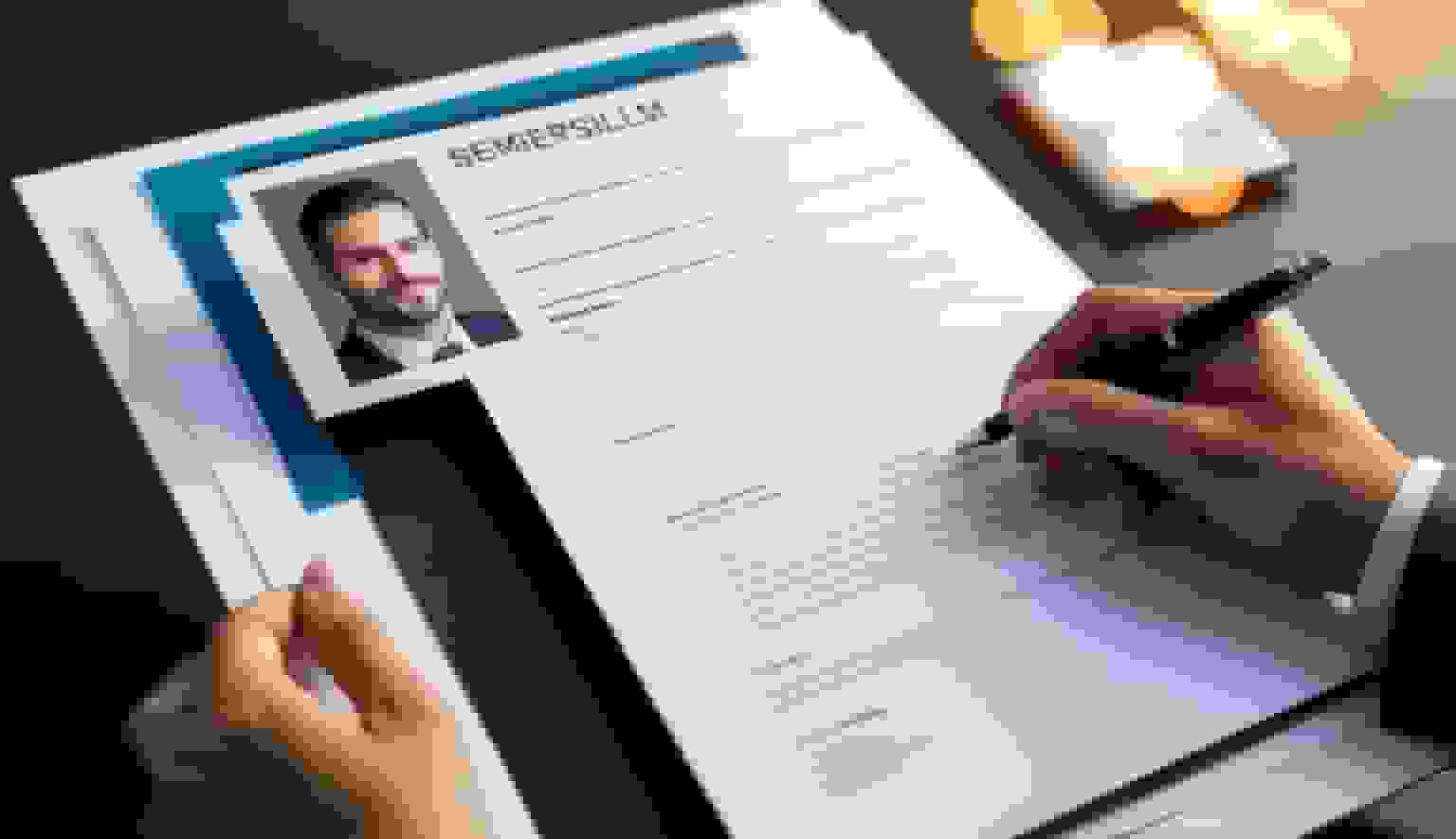
For cross border or “apply anywhere” job searches, you will often get the best results by preparing two core versions of your application:
- A no photo resume for roles in the US, Canada, UK, Ireland, Australia, New Zealand and for any global company that uses US or UK style hiring.
- A photo CV for markets and employers where photos remain standard, such as many roles in continental Europe, Asia or parts of the Middle East.
A simple decision rule can help:
- If the job is advertised by a US, Canadian or UK based company, or the posting warns against including personal details, use no photo.
- If the job is in a country where photos are common and the employer feels local rather than global, a small, professional headshot on your CV is usually acceptable. (Source: ResuFit, MyPerfectCV)
- If you are not sure and cannot confirm the local norm, it is safer to skip the photo and focus on a strong LinkedIn or portfolio image instead.
This approach lets you respect anti discrimination expectations in some regions and cultural norms in others without constantly redesigning your documents.
Which industries expect a photo on your CV?
Regional norms are the first filter, but industry matters too.
Roles where a photo is usually expected
- Acting, modelling and other on camera work
- Some hospitality or front of house roles
- Certain creative or media jobs where image is central to the work. In these cases, employers often ask for headshots directly. (Source: MyPerfectCV, Novoresume)
Roles where a photo is sometimes helpful but optional
- Real estate, sales and client facing consulting
- Coaching, public speaking or personal brand driven work
- Design and creative fields, particularly in markets that still favor photo CVs
Roles where a photo is usually discouraged
- Corporate, tech, finance, government and academic roles in the US, Canada, UK, Ireland, Australia and New Zealand
- Any role where the employer is explicit about anonymous or bias reduced hiring
If appearance is not part of the job description, a clean, image free CV is rarely a disadvantage in risk sensitive markets.
How do CV photo requirements differ between Europe and the USA?
In regions where CV photos are common, the expectations are closer to a passport or LinkedIn style headshot than a casual social media picture.
What A Professional CV Photo Looks Like In Europe And Photo Friendly Markets
Across European markets that still favor CV photos, guidance from major CV platforms tends to agree on core principles: (Source: TopCV, MyPerfectCV, Novoresume, ResuFit)
- Head and shoulders only with your face taking around 60 percent of the frame.
- Neutral background such as white, grey or a softly blurred office setting.
- Business appropriate attire that matches the role and industry, usually one step more formal than your everyday workwear.
- Even, natural lighting that avoids harsh shadows and heavy flash.
- Current image that reflects what you look like today, not a five year old photo.
- No heavy filters, distracting jewelry or sunglasses.
A typical size is roughly passport style (around 35 x 45 mm for print) placed in the top left or top right of the CV header so it does not dominate the page. (Source: ResuFit)
How The USA Treats CV Photo Requirements
In the US and Canada there is no concept of “CV photo requirements” because the default is no photo at all on the resume due to EEOC and human rights considerations. (Source: MyPerfectCV, Novoresume)
Instead, the expectation is that you maintain a professional headshot on LinkedIn or a portfolio site.
LinkedIn itself recommends:
- An image between 400 x 400 and 7680 x 4320 pixels
- Your face filling about 60 percent of the frame
- A solo shot with a simple background and attire that matches your industry. (Source: LinkedIn Talent Blog)
You can safely apply these same technical guidelines when you create a headshot that you later place on a European style CV.
Quick Comparison Table
| Aspect | Europe Photo Friendly Markets | USA And Similar Markets |
|---|---|---|
| Photo on CV | Often common or expected in countries like Germany, France, Spain and Italy | Usually discouraged on resumes |
| Legal risk | Some anti discrimination rules exist but photos still widely used | EEOC and human rights guidance push employers to avoid photos |
| Typical framing | Head and shoulders, neutral background, business attire | No photo on resume, photo used on LinkedIn instead |
| Good default | Add a small professional headshot if local norms support it | Use a strong LinkedIn headshot and keep the resume text only |
How do you take a professional headshot for your resume at home?
You do not need a studio or DSLR to capture a CV worthy photo. Modern smartphones plus a bit of planning can produce results that look professional on both resumes and LinkedIn. LinkedIn’s own guidance confirms that a clear, well lit photo with a simple background and recent appearance is enough to make your profile far more likely to be viewed. (Source: LinkedIn Talent Blog)
Use this step by step approach.
- Decide how you will use the photo
- If it is going on a CV, crop it to a small portrait rectangle using the appropriate CV image dimensions.
- If it is mainly for LinkedIn, plan for a square crop where your head and shoulders fill the circle.
- Choose soft natural light
- Stand near a window or go outside in open shade or on an overcast day.
- Avoid harsh midday sun, overhead office lighting or direct flash, which create unflattering shadows. (Source: LinkedIn Talent Blog)
- Set up a neutral background
- A plain wall, tidy corner of a room or softly blurred office setting works well.
- Remove visual clutter like coat racks, posters or busy patterns that draw the eye away from your face.
- Dress for the job you want
- Choose clothing that matches the dress code of your target industry, usually one level more formal than a normal workday.
- Solid colors photograph better than busy prints and help keep attention on your expression. (Source: Headyshot)
- Use the rear camera and eye level framing
- The rear camera on most phones captures higher quality images than the front selfie camera.
- Rest the phone on a stable surface or tripod at eye level and either use a timer or ask a friend to press the shutter.
- Frame head and shoulders and leave some space
- Aim for your head and upper shoulders to fill most of the frame, with a bit of space above your head.
- This makes it easy to crop later for both LinkedIn and small CV photo boxes.
- Relax your expression
- A natural, friendly expression usually works best. Research on profile photos shows that a genuine smile tends to make people appear more competent and likable. (Source: LinkedIn Talent Blog)
- Take several shots and review critically
- Vary your head angle slightly, check for glare on glasses and adjust posture.
- Pick the image that looks most like you on a good workday, not the most heavily posed or stylized shot.
- Edit lightly
- Crop to head and shoulders, straighten the image and adjust brightness or contrast if needed.
- Avoid heavy filters that change skin tone or add artificial effects, which can look unprofessional on CVs.
If you do not have someone to help, BetterPic’s can transform a set of ordinary selfies into up to ten 4K headshots with business ready outfits and neutral backgrounds, though there is currently a queue for free runs. (Source: BetterPic Free AI Headshot Generator)
How To Make A Selfie Look Like A Professional Business Headshot
Sometimes all you have is a selfie. You can still significantly improve that profile picture for CV or LinkedIn use.
- Start with the best base image
Pick a selfie where you are facing the camera, the lighting is even and your expression is neutral or friendly. Avoid extreme angles, car selfies and party backgrounds. - Crop to head and shoulders
Tighten the frame so your face occupies most of the image and remove empty space above your head. - Simplify the background
Use a background removal or blur tool to replace busy scenery with a plain color or subtle office style setting. Many online editors and AI tools make this a one click step. (Source: LinkedIn Profile Tips) - Adjust exposure, not your features
Increase brightness and contrast slightly if needed, but avoid facial reshaping filters or heavy retouching that makes you look unlike yourself. - Consider upgrading with AI
If the selfie is still far from a professional look, an AI headshot generator can recreate a studio style portrait from several casual images while keeping your likeness.
Can AI create professional CV and LinkedIn headshots?

AI headshot generators are now a realistic option if you do not have access to a photographer or good shooting conditions. These tools train a model on a set of your selfies and then produce new portraits that look like they were shot in a studio, often with multiple outfits and backgrounds. (Source: New York Post)
Because of that, professional resume portrait packages can be a practical way to create images that meet regional CV norms while keeping costs and time under control.
What To Look For In The Best AI Headshot Generator For LinkedIn And CV Photos
When you compare AI tools, focus on qualities that matter for real applications:
- Photorealistic results that still look like you, rather than plastic or over processed images.
- High resolution output, ideally 4K, so the same headshot works on resumes, LinkedIn and employer intranets without looking soft. (Source: BetterPic Resume Headshots)
- Business appropriate styles including neutral backgrounds, office settings and outfits that fit your industry.
- Clear usage rights so you can use the images on resumes, LinkedIn and company sites without extra licensing steps. (Source: BetterPic Resume Headshots)
- Data privacy and deletion policies that explain how long your photos are stored and whether they are used to train broader models. (Source: BetterPic Trust Information)
- Editing controls so you can fix small issues like background color, clothing or stray hair without redoing the entire set. (Source: BetterPic AI Studio)
- Turnaround time and cost that fit your situation. A paid AI set is typically much cheaper than a US based studio headshot session, which LinkedIn reports often costs between $200 and $400. (Source: LinkedIn Talent Blog)
BetterPic, for example, trains on a small set of your photos and delivers between 20 and 120 4K headshots in under about one to two hours, with more than 150 style options and full commercial license so the same images can be used on CVs, LinkedIn and other platforms. (Source: BetterPic Resume Headshots)
If budget is tight and you have more time than money, BetterPic’s offers up to ten 4K images with multiple outfits and backgrounds via a queue based system. (Source: BetterPic Free AI Headshot Generator)
How do you decide whether to include a CV photo? (Decision checklist)

Before you attach any image to a CV or resume, walk through this quick checklist:
- Where is this application being reviewed?
- US, Canada, UK, Ireland, Australia or New Zealand
- Continental Europe
- Asia, Middle East, Africa or Latin America
- Is the employer local or a global company following US or UK standards?
- Does the job description explicitly request or discourage a photo?
- Is appearance central to the role?
Acting, modelling and similar roles usually expect headshots. Many others do not. - Could a photo introduce unnecessary legal or bias concerns?
If you are applying in a strict anti discrimination environment, a text only resume is usually safer. Source: MyPerfectCV, ResuFit) - Is your existing photo truly professional?
If your only option is a heavily filtered, casual selfie, consider skipping the CV photo and instead investing a small amount of time in a new at home headshot or an AI generated alternative.
If several answers point toward risk or uncertainty, leave the photo off the CV and rely on a strong LinkedIn or portfolio image. If regional norms, the role and the employer all favor photos, then invest in a clean, professional headshot that you would feel comfortable showing on the company intranet.
A thoughtful approach to CV photos helps you stay aligned with regional expectations, avoid unnecessary legal risk and present a consistent, professional image across resumes, LinkedIn and other platforms. Whether you capture a new headshot at home or use an AI tool like BetterPic to convert a few selfies into studio style portraits, the goal is the same – a realistic, business ready image that supports, rather than distracts from, your skills and experience.
Sources & References
- LinkedIn Profile Photo Tips — LinkedIn
- How Your Profile Photo Impacts Your LinkedIn Presence — LinkedIn Official Blog
- AI Image Generation Market Report — Grand View Research
- How AI Is Changing Photography — Forbes
- Professional Headshot Photography Pricing — Thumbtack

Written by
Apoorv SharmaHead of Performance
Apoorv leads performance and growth at BetterPic with 9+ years of experience across SEO, SEM, and growth marketing. He oversees content strategy, data-driven marketing, and hands-on testing of AI headshot platforms. Previously held senior performance marketing roles across the US, Belgium, and India.
- Google Analytics & Google Ads certified
- HubSpot Inbound & Content Marketing certified
- 9+ years in SaaS growth and performance marketing
Preferred source
Follow BetterPic on Google
Add BetterPic as a preferred source and our headshot guides are more likely to show up in your Top Stories, with a badge in AI Mode and AI Overviews.

Related professional headshots for individuals resources
Keep exploring this topic with focused resources from the B2C journey.
Primary destination:Resume headshots
Frequently Asked Questions
What constitutes a professional photo for a CV?
- A professional CV photo should be a clear headshot with a neutral background. The photo needs good lighting and professional attire.
How should a CV photo differ depending on the job industry?
- Different industries have varying photo requirements. Creative fields like acting or modeling require professional headshots. Corporate roles typically prefer conservative photos with business attire. Some industries do not expect or want photos at all.
What are the key elements of a visually appealing CV layout?
- Clean fonts and consistent spacing create a professional appearance. Bullet points and headers help organize information clearly. White space between sections improves readability. The layout should maintain 1-inch margins and use a standard font size of 10-12 points.
How can I create a CV that is both simple and effective?
- A strong CV focuses on relevant skills and experience. Clear section headings help readers find key information quickly. Short, specific descriptions work better than long paragraphs. Numbers and metrics add credibility to accomplishments.
What distinguishes a CV from a resume in terms of content and format?
- CVs provide detailed academic and research history. They include publications, presentations, and teaching experience. Resumes are shorter and focus on work experience. They typically span 1-2 pages while CVs can be longer.
What guidelines should be followed when selecting a free CV template?
- Simple, professional templates work best. The design should emphasize content readability over decorative elements. Templates should be compatible with common file formats like PDF and Word. They need clear sections for work history, education, and skills.
Related articles
View all articles
How much does a headshot cost in 2026?
What professional headshots actually cost, what drives the range, the charges that are not in the quoted price, and how to compare a session against an AI alternative.
Cheap AI Headshots: What $29 Actually Gets You vs. a $400 Photographer
A no-BS breakdown of cheap AI headshots in 2026: what they cost, how they compare to studio photography, and whether the results actually work for LinkedIn.
Professional Headshots: The Complete Guide to Getting Yours Right
Everything you need to know about professional headshots: how to get them (photographer, DIY, AI, corporate), what to wear, posing tips, lighting.
How to Get a Professional Headshot for Your Career
A complete guide to getting a professional headshot for your career—compare photographers, AI headshot generators, and DIY options by cost, quality, and speed.
8 Headshot Poses That Actually Work (And When to Use Each One)
The 8 headshot poses that actually work — with specific guidance on when to use each one, how to nail it in a studio or with AI, and which industries.
How to Prepare for Professional Headshots and Make a Great Impression
Learn how to prepare for professional headshots with practical tips on wardrobe, posing, grooming, and choosing the right photographer.
Save 87%on average on your professional photos.
Whenever, wherever you are.
Get studio-quality, 4K images in a variety of outfits & settings in less than an hour.
Get your headshots nowStart now