
How to Prepare for Professional Headshots That Get You Noticed
This article is part of our Professional Headshots collection.
Getting ready for a professional headshot is about more than just showing up. The real magic happens long before you step in front of the camera, starting with a clear strategy that nails down your professional brand, helps you find a photographer who gets it, and culminates in a detailed brief so everyone is on the same page.
This foundational work is what turns a simple snapshot into a powerful career tool.
How do you lay the foundation for a great headshot?
A truly effective headshot is no accident. It’s the result of thoughtful planning and crystal-clear communication. The process doesn’t start with finding a photographer; it starts with figuring out the story you want your image to tell. This is the bedrock for every other decision you'll make, from what you wear to your final expression.
Define Your Professional Narrative
First things first: what's your story? Are you aiming to project authority and expertise as a senior executive? Or is the goal to appear more approachable and collaborative, which is perfect for a team leadership role. A financial advisor might want a look that screams trust and stability, while a creative director needs an image that hints at innovation and fresh ideas.
Once you’ve locked in this core message, you can start looking for a photographer whose portfolio has that same vibe. Don't just Google "headshot photographers near me." Dig deeper. Look for specialists whose work aligns with your industry and personal brand. Scour their galleries for consistency in lighting, composition, and mood.
Find the Right Photographer
When you're vetting potential photographers, look past the portfolio and the price tag. A great headshot is a collaboration, so finding someone you can actually talk to is huge. The value of this isn't lost on the market, either. The global professional headshot photography market is growing, with an estimated value of $1.5 to $2 billion annually as of 2025. This just goes to show how critical a high-quality visual identity has become.
Here are a few essential questions to ask during your consultation:
- Can you walk me through your typical process and shooting style?
- How do you help clients who feel a bit awkward or nervous in front of the camera?
- What does your standard retouching process cover?
- What’s your turnaround time for the final edited photos?
This simple timeline breaks down the key first steps in preparing for professional headshots.
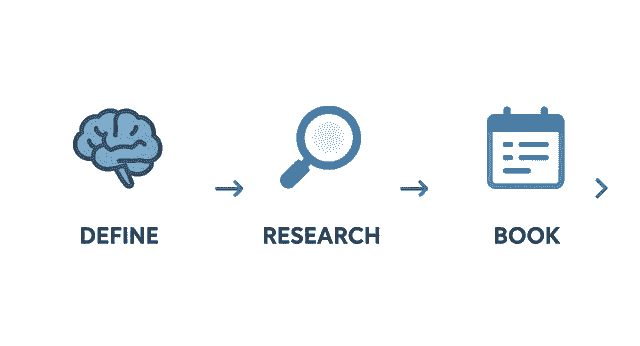
As the graphic shows, defining your goals before you even start looking for a photographer sets the whole process up for success.
Create an Effective Photoshoot Brief
After you've picked your photographer, the final piece of the puzzle is the creative brief. This document makes sure you’re both perfectly aligned on what you want to achieve, leaving nothing to chance. It doesn’t need to be a formal, multi-page report; a simple email with clear bullet points usually does the trick.
A great brief acts as a shared roadmap. It translates your personal brand goals into specific, actionable instructions that the photographer can use to bring your vision to life. It's the bridge between your idea and their execution.
Your brief should include:
- Your "Why": A quick note on the purpose of the headshot (e.g., for a new company website, a speaking gig, or a LinkedIn refresh).
- Brand Keywords: List 3-5 adjectives you want the final image to convey (e.g., "confident," "approachable," "innovative," "trustworthy").
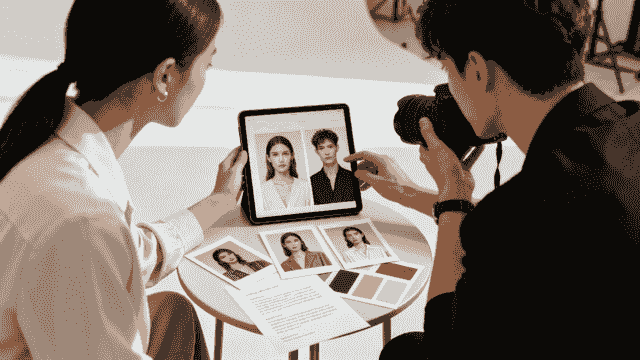
- Inspiration Images: Share 2-3 examples of headshots you like—they can even be from the photographer's own portfolio—and explain what you like about them.
This kind of clarity prevents any misunderstandings and gives the photographer the confidence to deliver exactly what you need. By investing a little time in this foundational stage, you set yourself up for a smooth, productive photoshoot that results in images perfectly tuned to your professional goals. You can learn more about our philosophy on creating impactful professional images by reading about the BetterPic mission.
Your Headshot Preparation Checklist
Follow this timeline to ensure you're fully prepared and confident on the day of your professional headshot session.
| Timeframe | Action Item | Key Objective |
|---|---|---|
| 4 Weeks Out | Define your professional brand and headshot goals. | To create a clear vision for the final image. |
| 3 Weeks Out | Research and book your photographer. | To find a photographer whose style aligns with your vision. |
| 2 Weeks Out | Plan your wardrobe and grooming appointments. | To ensure your appearance is polished and professional. |
| 1 Week Out | Confirm all details with your photographer. | To finalize logistics and address any last-minute questions. |
| The Day Before | Get a good night's sleep and hydrate. | To look and feel your best for the photoshoot. |
| The Day Of | Eat a light meal and arrive early. | To be relaxed, focused, and ready for your session. |
By tackling these steps in advance, you’ll walk into your session feeling prepared and ready to get the perfect shot.
What should you wear and how should you groom for headshots?
Long before you say a word, your wardrobe and grooming choices are already speaking for you. They’re powerful tools that communicate your professional brand, and getting them right is one of the most critical parts of preparing for a headshot. The goal is to make sure your final image screams competence and confidence.
This has nothing to do with chasing trends. It's about making smart, strategic choices that highlight your best features and align with your industry's expectations. A lawyer’s ideal outfit is worlds away from a tech founder's, but the core principles of looking polished and professional are exactly the same.
Selecting Your Outfits
Think of your clothing as the supporting actor—your face is the star of the show. Your wardrobe's job is to direct all the attention right where it belongs: on your expression.
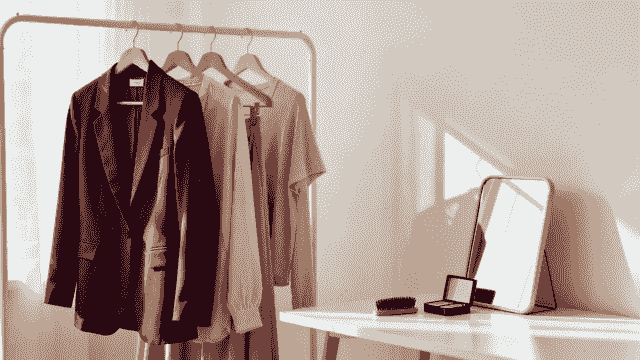
Solid colors are your best friend here. They create a clean, sharp look that keeps the focus on you. Jewel tones like emerald, sapphire, and deep burgundy are almost universally flattering and add a sophisticated pop of color. Classic neutrals like navy, charcoal gray, and cream also project a timeless, professional vibe.
Steer clear of busy patterns, razor-thin stripes, and big, distracting logos. These elements can create a bizarre visual distortion on camera called a moiré effect, which is incredibly distracting. They also have a nasty habit of dating your photo almost instantly.
Your outfit should complement your professional narrative, not compete with it. Choose well-fitted, classic pieces in solid colors to ensure your face remains the undeniable focal point of the image.
The neckline is another detail that can make or break a shot, as it literally frames your face. V-necks and scoop necks are fantastic choices because they tend to elongate the neck. A crisp, well-fitted collared shirt or a classic crewneck can also work wonders, depending on the look you're going for.
Finally, pay attention to the fabric. Materials like high-quality cotton, wool blends, or even thicker silks photograph beautifully. They hang well and are less likely to wrinkle under hot studio lights, unlike linen or flimsy synthetics that can look cheap on camera.
Grooming for a Camera-Ready Look
Your grooming in the days leading up to the shoot is just as important as your outfit. A professional camera and lighting setup will pick up details that your bathroom mirror would never reveal.
Start focusing on your skincare about a week or two out. Hydration is key for giving your skin a healthy, natural glow. This is not the time to experiment with aggressive new treatments—the last thing you want is a surprise breakout or irritation on shoot day.
When the day arrives, the goal is a polished but natural appearance.
- Hair: Style your hair the same way you would for an important client meeting. Don't get a drastic new haircut or color right before your session. You want a look that's neat, controlled, and free of any stray hairs falling across your face.
- Makeup: For those who wear it, makeup should enhance your features, not hide them. Studio lighting can wash you out, so you’ll likely need a bit more definition than your typical daily look. Focus on evening out your skin tone, defining your eyes, and adding a subtle touch of color to your cheeks and lips.
- Hiring a Pro: If you’re not confident in your makeup skills, hiring a professional makeup artist (MUA) who specializes in photography is a smart investment. They know exactly how to apply makeup so it looks incredible under the lights.
Putting It All Together
At the end of the day, your wardrobe and grooming choices should make you feel confident and like yourself. When you feel good, it shows. Your posture improves, your expression relaxes, and your personality shines through.
Always bring a few pre-approved options to the shoot. A good photographer can give you expert advice on which outfit will work best with the specific lighting and background they've planned. This little bit of prep gives you flexibility and eliminates a ton of stress. This is the kind of detail that turns a standard picture into one of those exceptional LinkedIn headshots that genuinely strengthens your professional profile.
And a final pro tip: press or steam all your clothes the night before and bring them on hangers. It’s a small step that prevents last-minute panic and ensures you walk into your session feeling prepared, confident, and ready to go.
How do you master poses and expressions that look natural?
Let’s be honest: feeling a little stiff or awkward in front of a camera is completely normal. Very few people are professional models. The goal isn't to strike a dramatic pose, but to find a few simple adjustments that let your confidence and personality shine through. It all comes down to body language and expression, making sure the final image is authentically you.
The best poses aren't really "poses" at all. They’re subtle shifts that create a more dynamic and engaging photograph. Your photographer is there to guide you, of course, but walking in with a few tricks up your sleeve will make you feel far more comfortable and in control.
Build Your Pose from the Ground Up
Before you even think about smiling, let's talk posture. It’s the foundation of a powerful headshot and instantly communicates confidence. The trick is to look engaged, not rigid.
Start by sitting or standing tall, rolling your shoulders back and down, and elongating your neck just a bit. Imagine a string is gently pulling the crown of your head toward the ceiling—this simple mental cue helps straighten your spine naturally.
Next, a classic photographer's trick: turn your body slightly away from the camera, around a 45-degree angle, but keep your head turned toward the lens. This simple angle adds depth and is almost universally more flattering than a straight-on, passport-style shot. Finally, a pro move: gently push your forehead and chin forward slightly, like a turtle peeking from its shell. It feels bizarre, I know, but on camera, it works wonders for defining your jawline.
Finding a Natural and Engaging Expression
Your expression is what connects you with the viewer. It’s the heart of the photo. The best way to nail this is to practice in a mirror long before you step into the studio.
Try out different smiles. A warm, closed-mouth smile can look thoughtful and competent, while a genuine, open-mouthed laugh projects energy and approachability. The secret is to not just say "cheese." Think of something that genuinely makes you happy—a funny memory, a favorite person, a recent win. That real emotion will travel straight to your eyes.
Your eyes are the most important part of your expression. A well-known technique is the "squinch," which involves slightly tightening your lower eyelids. This tiny adjustment can transform a wide-eyed, deer-in-the-headlights look into one of confidence and focus.
A serious expression can also be incredibly powerful, especially in more conservative industries. The key is to look engaged and thoughtful, not angry or bored. Try raising your eyebrows just a fraction; it opens up your eyes and conveys intelligence and curiosity.
What to Do with Your Hands
Hands. They can feel so out of place in photos. If they're going to be in the frame (which is common for three-quarter length portraits), they need something to do. Just letting them hang by your sides is rarely the best look.
Here are a few go-to, natural-looking options for your hands:
- The Relaxed Cross: Gently cross your arms, but keep it loose. Avoid clenching your fists or pulling your arms in tight, which can look defensive. Let your hands just rest on your biceps.
- The Casual Lean: If you're leaning on a wall or a desk, let one hand rest casually on that surface. It immediately creates a more relaxed vibe.
- The Pocket Tuck: Putting a thumb or a couple of fingers into a pocket is a timeless move that looks effortlessly confident. Just avoid shoving your entire hand deep into the pocket.
Ultimately, the best advice on how to prepare for professional headshots is to trust your photographer. They are experts at guiding you into positions that both look and feel natural. If a pose feels uncomfortable, speak up! Collaboration is the real secret to getting a headshot you'll absolutely love.
What should you expect on shoot day and after?
You’ve done all the prep work, and now it's time for the main event. The day of the shoot is when all that planning pays off, but knowing what happens after the camera stops clicking is just as important. Let’s walk through what to expect on set and how your images go from raw files to polished, final headshots.
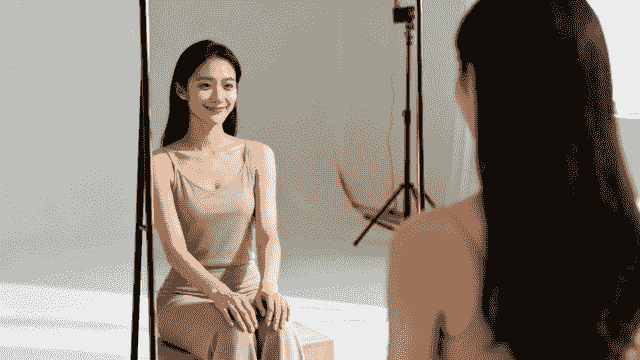
This is a collaboration. Your photographer is the expert behind the lens, but your comfort and input are what will make the photos feel genuinely you.
Working Together on Set
The best photoshoots are built on trust. You hired your photographer for their eye and expertise, so let them guide you on posing, lighting, and angles. They know how to make you look your best.
That said, this isn't a one-way street. If a pose feels stiff or just plain weird, say something! A great photographer wants that feedback. They’ll work with you to find something that not only looks fantastic but feels natural, too.
To keep things running like clockwork, pack a small "go bag" for the day. Being prepared for minor hiccups means you can stay relaxed and focused on the camera.
Your Go-Bag Checklist
- The Full Wardrobe: Bring all your planned outfits, pressed and hanging neatly. Wrinkles are the enemy.
- Grooming Essentials: Don’t leave home without a brush/comb, hairspray, and makeup for touch-ups. A little powder to combat shine is a lifesaver, as is lip balm.
- Fuel: A water bottle and a simple, non-messy snack are a must. Photoshoots are more tiring than they look.
- Your Brief: Keep your brand keywords and inspiration shots handy on your phone. It’s great for a quick mental reset if you need it.
From Camera to Final Image: The Editing Workflow
Once the last shot is taken, the magic of post-production begins. This is where your images are refined into professional assets.
First, you’ll likely get a gallery of "proofs." These are lightly edited, low-resolution versions of the best shots. Your task is to go through them and pick your absolute favorites for final retouching. Take your time here—look for the expressions and body language that perfectly capture your professional brand.
It’s also important to understand the difference between a basic edit and professional retouching.
A standard edit covers the basics—things like color correction, brightness, and contrast. Professional retouching is much more detailed, handling temporary blemishes, stray hairs, or tiny wardrobe issues to deliver a flawless yet authentic final portrait.
Giving Feedback and Setting Realistic Expectations
To get the results you want, your feedback needs to be clear and specific. "I don't love it" doesn't give an editor much to work with.
Instead, try something like, "Could we soften the shadows under my eyes a bit?" or "There’s a stray hair over my left eyebrow I'd like removed." This kind of actionable feedback is gold.
Remember, the aim is to look like the best version of yourself, not a completely different person. The industry has moved decisively away from that overly airbrushed, plastic look of the past. Authenticity is king. Today’s best headshots feel real and effortless, even with their high technical quality. For a deeper dive, check out these insights on 2025 professional headshot trends.
So, how long does it all take? Plan on a turnaround time of one to three weeks for your final retouched images, though your photographer should give you a specific timeline. While technology has sped things up, great retouching still needs a skilled human eye.
If you need professional-quality shots on a much tighter deadline, AI-powered tools are becoming a seriously impressive alternative. Our guide on AI headshots explores how you can get studio-level results in a fraction of the time.
What are the most common headshot mistakes to avoid?
Even with the best planning, it's surprisingly easy for small missteps to derail a professional headshot. I've seen it happen time and again. Knowing what these common pitfalls are ahead of time is the single best way to make sure your investment pays off with a photo you're truly proud of.
These aren't just about looking good—they’re about sidestepping choices that distract from your professional message. Fortunately, every common mistake has a simple fix. By learning from others, you can walk into your session fully prepared and confident.
The Most Common Wardrobe and Grooming Blunders
Your appearance sets the immediate tone, and a few simple errors can send the wrong signal entirely. The most frequent mistake I see is clothing that just doesn't fit right. A blazer that’s too big looks sloppy, while a shirt that’s too snug can create unflattering bunching and wrinkles, especially when you sit or turn.
Another classic blunder? Distracting outfits. Loud patterns, bold logos, or overly trendy pieces can instantly date your photo and pull all the focus away from your face. The goal here is timeless professionalism, not a fashion statement that will look stale in twelve months.
When it comes to grooming, the biggest mistake is making drastic changes right before your shoot.
- The Last-Minute Haircut: Never, ever get a major haircut the day before. Give it at least a week to settle in so you have time to get used to styling it.
- New Skincare Experiments: Trying a new facial or a potent skincare product just before your session is a recipe for irritation or breakouts. Stick to your tried-and-true routine.
- Forgetting the Details: It's the little things that count. Overlooking details like chipped nail polish or an untrimmed beard can seriously detract from an otherwise polished look.
Strategic and On-Set Miscalculations
Beyond your appearance, some strategic mistakes can stop your headshot from hitting the mark. The most significant one is failing to clearly communicate your goals to your photographer. If you don't share what you're trying to achieve, you're leaving the final result completely up to chance.
Over-rehearsing is another surprisingly common problem. Practicing your expression is smart, but forcing a smile until it feels fake will absolutely show on camera. The best expressions come from genuine emotion, not a strained attempt to look happy. Your photographer is skilled at drawing out natural reactions, so trust their process.
A professional headshot is a real investment in your personal brand. Avoiding these common mistakes ensures you get the maximum return, resulting in a powerful tool that works for you long after the session ends.
Finally, a purely financial mistake is not understanding the value you're paying for. The average starting cost for a professional headshot session in 2025 is $283, but the range can be enormous, sometimes soaring past $1,200. A higher price doesn't automatically guarantee better results, which makes preparing and vetting your photographer absolutely essential. You can see a full breakdown of current headshot industry costs and statistics for more context.
How to Proactively Avoid These Pitfalls
The solution to all these problems boils down to one thing: preparation. A few key actions can help you sidestep every one of these common mistakes, ensuring your headshot session is a complete success.
| Mistake To Avoid | Proactive Solution |
|---|---|
| Ill-Fitting or Distracting Wardrobe | Schedule a "dress rehearsal." Try on your top 3-5 outfits a week before and snap some phone pictures to see how they actually look. |
| Last-Minute Grooming Changes | Book any haircuts or grooming appointments for 5-7 days before your shoot. Stick to your normal skincare routine. |
| Vague Communication with Photographer | Create a simple brief with 3-5 keywords (e.g., "confident," "approachable") and 2-3 inspiration images to share. |
| Forced or Unnatural Expressions | Instead of just practicing a smile, think of a genuinely happy memory during the shoot. It will bring real emotion to your eyes. |
By being mindful of these potential issues, you're not just hoping for a great headshot—you're actively planning for one. This level of detail is what separates a forgettable photo from a powerful professional asset.
Common questions about preparing for professional headshots
Even after mapping out the perfect session, there are always a few lingering questions. It's totally normal. Getting these sorted out beforehand is the final step to walking into your photoshoot feeling relaxed and ready. Let’s tackle some of the most common questions I hear from clients.
How Many Outfits Should I Bring to My Headshot Session?
My rule of thumb is simple: it’s always better to have options you won’t use than to need one you didn’t bring. Plan on bringing three to five different tops. We aren't doing a full wardrobe change for each one, but having this variety gives us the flexibility to find the perfect look on the day.
Think in terms of variety across a few key areas:
- Color: Bring a mix of your go-to jewel tones and some reliable neutrals.
- Neckline: A crewneck, a V-neck, and a collared shirt or blouse offer different vibes.
- Formality: Think about including a sharp blazer, a smart business-casual top, and maybe a high-quality knit sweater for a more relaxed look.
This variety is your safety net. If a color doesn't pop against the background or a certain neckline isn't sitting right, we can swap it out in seconds. It ensures we can capture a few distinct looks for different professional platforms.
Should I Wear Glasses in My Headshot?
This one's easy. Do people recognize you with glasses on a daily basis? If the answer is yes, then you should absolutely wear them in your headshot. Your photo needs to look like you. When there's a disconnect between your photo and how you look in person, it can create a weird, subtle friction.
Just give your photographer a heads-up beforehand. Glare can be tricky, but any experienced photographer will know how to adjust the lighting to minimize it. And please, make sure your lenses are sparkling clean and free of smudges before you step in front of the camera. It’s also a great idea to snap a few shots without them—it just gives you more options later.
What Is the Difference Between a Headshot and a Portrait?
While people often use the terms interchangeably, they really serve two very different functions in the professional world. A headshot is a tool. It’s usually cropped tightly from the chest up, making your face and expression the undeniable focus. Its job is to provide clear, confident identification for your LinkedIn profile, company website, or speaker bio.
A portrait, on the other hand, is more about telling a story. It’s often a wider shot—think three-quarter or even full-body—and might include more of your environment. It’s designed to convey personality or professional context. For nearly all corporate and branding needs, the headshot is the undisputed industry standard.
How Much Retouching Is Too Much for a Headshot?
The goal of great retouching is to make you look like you on your absolute best day, not like a completely different person. It’s about enhancement, not alteration. Professional retouching should take care of temporary distractions—a stray hair, a single blemish that popped up overnight, or a piece of lint on your jacket. It can also subtly soften harsh shadows or circles under your eyes from a long week.
You've crossed the line when the retouching starts changing your core features, erases all natural skin texture into a plastic-like finish, or alters your body shape. Your headshot is a cornerstone of your personal brand, and authenticity builds trust. You always want the final image to be polished and professional, but fundamentally, it needs to be you.
Ready for a headshot that skips the studio hassle but delivers the quality? BetterPic uses advanced AI to generate over 150 styles of photorealistic, professional headshots in under an hour. Customize your look, get results you love, and enjoy our 100% money-back guarantee. Generate Your Perfect Headshot Today.
Sources & References
- LinkedIn Profile Photo Tips — LinkedIn
- How Your Profile Photo Impacts Your LinkedIn Presence — LinkedIn Official Blog
- AI Image Generation Market Report — Grand View Research
- How AI Is Changing Photography — Forbes
- Professional Headshot Photography Pricing — Thumbtack

Written by
Apoorv SharmaHead of Performance
Apoorv leads performance and growth at BetterPic with 9+ years of experience across SEO, SEM, and growth marketing. He oversees content strategy, data-driven marketing, and hands-on testing of AI headshot platforms. Previously held senior performance marketing roles across the US, Belgium, and India.
- Google Analytics & Google Ads certified
- HubSpot Inbound & Content Marketing certified
- 9+ years in SaaS growth and performance marketing
Related professional headshots for individuals resources
Keep exploring this topic with focused resources from the B2C journey.
Primary destination:BetterPic homepage
- Cheap AI Headshots - Quick and Affordable Professional Portraits
- How to Get a Professional Headshot for Your Career
- How to Prepare for Professional Headshots and Make a Great Impression
- Should You Smile in a Business Headshot for Your Professional Image
- What Is a Headshot? Meaning, Types & Why It Matters in 2026
Frequently Asked Questions
How far in advance should I prepare for a headshot session?
- Start 4 weeks out by defining your brand and goals. At 3 weeks, research and book your photographer. At 2 weeks, plan wardrobe and grooming. Confirm details 1 week before. Get a good night's sleep the day before, and arrive early on the day of your session.
How many outfits should I bring to a headshot session?
- Bring 3 to 5 different tops to give you and your photographer flexibility. Include a mix of jewel tones and neutrals, different necklines (crewneck, V-neck, collared), and varying formality levels (blazer, business-casual top, quality knit sweater).
Should I wear glasses in my professional headshot?
- Yes, if people recognize you with glasses daily. Your photo needs to look like you. Give your photographer a heads-up so they can adjust lighting to minimize glare. Make sure your lenses are clean and smudge-free before stepping in front of the camera.
How much does a professional headshot cost in 2025?
- The average starting cost for a professional headshot session in 2025 is $283, but the range can be enormous, sometimes exceeding $1,200. The professional headshot photography market is valued at $1.5 to $2 billion annually, reflecting how critical visual identity has become.
What is the difference between a headshot and a portrait?
- A headshot is typically cropped from the chest up, making your face and expression the primary focus. It serves as a professional identification tool. A portrait is wider, often three-quarter or full-body, and is designed to convey personality or professional context.
How much retouching is too much for a headshot?
- Retouching should make you look like yourself on your best day, not a different person. Removing stray hairs and temporary blemishes is fine. Changing core features, erasing all skin texture, or altering body shape crosses the line and undermines trust.
Save 87%on average on your professional photos.
Whenever, wherever you are.
Get studio-quality, 4K images in a variety of outfits & settings in less than an hour.
Get your headshots nowStart now