
AI Retouching Trends In Professional Photography 2025
AI retouching is reshaping professional photography by delivering polished headshots faster, cheaper, and with consistent quality. In 2025, the demand for professional headshots has surged due to remote work and personal branding needs. AI tools now offer:
- Time Savings: Tasks that once took hours now take minutes.
- Cost Efficiency: Eliminates studio and editing expenses, making headshots accessible.
- Consistency: Ensures uniform results across teams or organizations.
- Customization: Offers options for lighting, backgrounds, and styles.
Key advancements include context-aware editing, predictive retouching, and AR previews. While AI handles repetitive tasks, human oversight ensures edits align with client needs and ethical standards. Platforms like BetterPic lead the way, balancing speed, quality, and data privacy.
Aperty vs PortraitPro 24 | Best AI Portrait Retouching Software in 2025?
Top AI Retouching Trends in 2025
AI retouching in 2025 is transforming how professional headshots are enhanced, introducing smarter tools that simplify workflows while delivering polished, high-quality results. These advancements go beyond earlier innovations, offering more intuitive and precise solutions for photographers and businesses alike.
Smart Context-Aware Editing Tools
Context-aware editing tools have become a game-changer. These tools automatically analyze critical elements like lighting, skin tone, and background, applying adjustments that feel natural and seamless. For instance, they can fine-tune shadows and highlights to preserve depth, or make perspective adjustments to ensure a well-balanced composition. The result? Images that look refined without appearing over-processed.
Predictive Retouching and Auto-Fill Features
Predictive retouching is taking the guesswork out of editing by anticipating what users need before they even ask. Auto-fill features now handle tasks such as replacing backgrounds or fixing minor wardrobe issues, ensuring headshots maintain a professional appearance. On top of that, intelligent reconstruction tools can restore hidden or obscured details, which is especially helpful for corporate teams aiming for a consistent look across multiple images.
Advanced Color Grading and AR Previews
Color grading has reached new heights with tools that apply palettes tailored to each image's purpose. These techniques enhance skin tones while keeping individual features intact, adding a personal yet polished touch. Meanwhile, real-time augmented reality (AR) previews allow users to see edits as they happen. This instant feedback speeds up decision-making and reduces the need for endless tweaks. Plus, background analysis ensures all adjustments align with the original lighting and color scheme, creating a cohesive final image. These advancements cater to the growing demand for faster, more consistent, and highly customizable editing options.
How AI Retouching Changes Professional Workflows
AI retouching has revolutionized professional workflows by simplifying every stage - from editing and quality assurance to mobile delivery. By automating time-consuming tasks, AI tools make processes more efficient and scalable while maintaining the top-tier results clients expect.
Time and Cost Savings
One of the biggest advantages of AI retouching is how much time it saves. Tasks that used to take hours, like detailed headshot retouching, can now be completed in a fraction of the time. AI-powered tools handle everything from basic adjustments to intricate edits quickly and accurately. Features like batch processing allow studios to edit large sets of images simultaneously, ensuring consistent quality throughout an entire project. Plus, real-time editing capabilities give clients instant previews, cutting down on revision rounds and speeding up delivery timelines. This efficiency makes large-scale image processing more practical than ever.
Large-Scale Processing and Quality Control
When working on large projects, like creating headshots for an entire company, maintaining consistency can be a challenge. AI tools simplify this by applying uniform adjustments to elements like skin tone, lighting, and background details across all images. This ensures a cohesive look that’s critical for businesses aiming to present a unified visual identity. For enterprise-level projects, this level of consistency isn’t just helpful - it’s essential. By automating quality control, AI ensures that every image meets the same high standards, making it easier to manage extensive image collections.
Mobile Tools and Data Privacy
AI-powered mobile tools have taken convenience to a whole new level. Photographers can now capture, edit, and deliver final images directly from their smartphones or tablets. These tools come with robust on-device processing, so sensitive data stays local and secure. This approach not only speeds up workflows but also addresses growing concerns about data privacy, keeping image data firmly under the user’s control. The ability to provide quick, secure, and professional results on the go enhances the overall client experience while meeting strict privacy standards.
A great example of these advancements is BetterPic, which delivers professional 4K headshots in under 30 minutes. With AI-driven efficiency, unlimited touch-up options, and a strong focus on data security, BetterPic meets the rising demand for fast, high-quality imagery without compromising on privacy or quality.
Ethics and Creative Balance in AI Retouching
As AI-driven retouching tools become more advanced, the photography industry faces important questions about authenticity, creativity, and responsibility. These concerns naturally lead to a deeper examination of ethical editing practices.
Managing Ethical Issues
AI retouching often struggles with fairness, especially when trained on limited datasets that may not represent all groups equally. This makes human oversight critical to ensure edits respect authentic features while achieving professional standards. For instance, in corporate headshots, retaining recognizable traits is essential to uphold an individual’s professional identity.
Another challenge lies in the potential for AI to reinforce biased beauty standards. Professional photographers often need consistent results across diverse clients, but the pressure to create "perfect" images can push AI tools toward over-editing. This might result in unnaturally smooth skin or altered facial features that stray far from reality. Setting clear boundaries between subtle refinements and excessive changes ensures ethical practices while still delivering polished, professional results.
AI Automation vs. Human Creativity
Rather than replacing human creativity, AI retouching tools are best used to complement it. The most effective workflows combine the speed and precision of AI with the artistic vision and judgment of human professionals.
AI shines in handling repetitive technical tasks like exposure adjustments, noise reduction, and basic skin smoothing. By automating these time-consuming processes, photographers and retouchers can devote more energy to creative decisions - focusing on elements like mood, lighting, and the unique style that defines the final image. Human input remains essential to ensure that edits look natural and suit the intended purpose.
In response to these changes, professional retouchers are evolving their roles. Many now act as AI supervisors or creative directors, guiding automated processes while retaining control over the final outcome. AI provides a solid starting point, but it’s the human touch that tailors the results to meet specific artistic goals and client expectations.
Privacy and Data Protection Standards
While the collaboration between AI and human expertise is transforming creative workflows, protecting personal data remains a top priority.
To comply with regulations like GDPR and CCPA, businesses should process images locally, limit data retention, and maintain transparency about AI usage. Professional photography services must implement secure data handling practices, including encrypted file transfers and clear communication about how images are processed and stored.
Clients are increasingly interested in knowing how AI is used in their images and to what extent. Being upfront about this builds trust and helps clients make informed choices about their professional image representation.
Data protection goes beyond the final images - it also includes intermediate files, metadata, and the training datasets used by AI systems. Photographers should partner with AI retouching providers that adhere to strict privacy standards and implement robust security measures throughout the entire workflow.
For example, BetterPic addresses these concerns by enforcing strict data protection protocols and securely processing images. This ensures their professional headshot services meet both the quality and privacy standards that modern businesses demand.
AI Headshot Generator Features and Benefits
AI headshot generators have revolutionized the way professional headshots are created. Using advanced AI technology, these tools deliver high-quality, studio-grade images quickly and efficiently.
Key Features of AI Headshot Generators
Modern AI headshot generators are packed with features designed to meet professional standards. For starters, they consistently produce images in 4K resolution, ensuring they’re perfect for both digital use and professional printing. The AI meticulously analyzes facial structure, lighting, and styling to craft headshots that look polished and natural.
One standout feature is style customization. Users can choose from a wide variety of styles, ranging from formal business portraits to more creative, modern looks. The AI then adjusts elements like lighting, background, and composition to align with the selected style while maintaining a natural appearance.
Speed is another major advantage. These tools are designed to deliver fast turnarounds, often completing high-resolution headshots in under an hour. This makes them particularly useful for corporate needs where consistency and efficiency are crucial.
Additionally, many platforms offer a hybrid approach by combining AI with human touch-ups. Professional editors can make personalized adjustments to the AI-generated images, addressing specific requests or ensuring the final headshot aligns perfectly with individual preferences or brand guidelines.
These features create a strong foundation for platforms like BetterPic to elevate the headshot creation process even further.
Why BetterPic Stands Out
Building on the core capabilities of AI headshot generators, BetterPic takes things a step further with several unique advantages. For example, the platform offers over 150 styles, ranging from classic business portraits to more creative options, catering to a wide range of professional and personal needs.
For businesses, BetterPic provides a team dashboard that simplifies the management of headshots for multiple employees. This centralized interface helps companies coordinate photo sessions, ensure consistent styling across teams, and handle bulk orders effortlessly. It’s a game-changer for HR and marketing teams tasked with maintaining a unified brand image.
Data security is another priority for BetterPic. The platform complies with GDPR and CCPA regulations, ensuring that all uploaded photos are processed securely. Encryption safeguards the images during processing, and data retention is strictly limited to meet regulatory standards.
BetterPic also offers unlimited human touch-ups on select plans. This allows professional editors to refine details that automated systems might overlook, such as subtle lighting adjustments or background tweaks, ensuring the final image meets even the most specific requirements.
Comparing Features and Benefits
Here’s a breakdown of BetterPic’s service tiers to help you decide which plan best suits your needs:
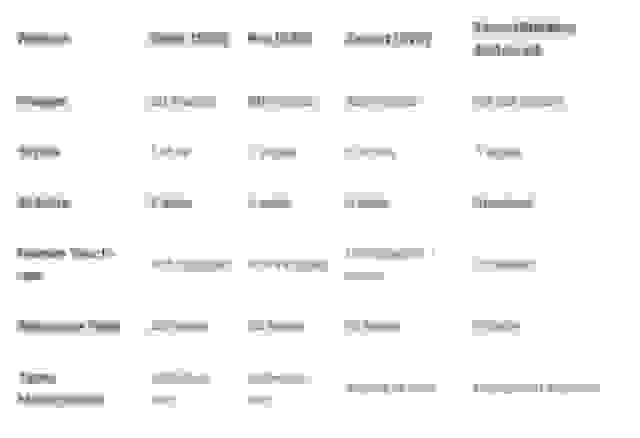
The Expert plan is ideal for professionals who need a variety of editing options paired with premium support, while the Team plan provides a cost-effective solution for organizations looking to maintain consistent branding across their workforce.
No matter which plan you choose, all images are delivered in 4K resolution, ensuring professional-grade quality. Additionally, every plan includes commercial licensing, so you can confidently use your headshots for business purposes like marketing materials, professional profiles, and more - without any extra fees.
While all plans provide high-quality images, higher-tier options offer more customization and human oversight. This makes them especially valuable for executives, public-facing professionals, or anyone who needs their headshots to align perfectly with their personal or corporate branding.
The Future of AI Retouching in Photography
The photography world is undergoing a major transformation as AI technology continues to evolve and become more accessible. This shift is reshaping how professionals, businesses, and even hobbyists approach image creation and editing. Specifically, AI's role in headshot retouching is growing, offering exciting possibilities for integrating technology into creative workflows.
2025 Key Points
AI retouching has moved beyond basic automation to become a true creative collaborator. One notable trend is the rise of context-aware editing tools. These tools analyze elements like facial expressions, lighting, and even the intended purpose of an image to guide editing decisions, making the process smarter and more intuitive.
Another advancement is predictive retouching, which automates common adjustments. By streamlining workflows, this technology helps photographers save time and reduce costs.
The integration of mobile technology has also made professional-quality retouching tools more accessible than ever. Photographers can now provide clients with real-time previews during shoots, speeding up revision cycles and improving client satisfaction - an especially valuable feature in corporate settings, where efficiency is key.
However, the rapid adoption of AI raises important ethical questions. The industry is grappling with issues of authenticity and how far AI should go when altering human features. In response, professional organizations are starting to create guidelines for the responsible use of AI, particularly in scenarios where images represent real people.
Privacy remains a top priority as well. Platforms like BetterPic are setting the standard by implementing strict compliance measures to protect client trust when personal images are processed through AI systems.
What's Next for AI Photography
Looking ahead, AI tools will continue to merge technical precision with creative flexibility. Rather than replacing human photographers, the next wave of AI advancements will focus on strengthening collaboration between humans and AI.
Emerging technologies will handle repetitive tasks and reduce turnaround times, giving photographers more space to focus on creative direction and building relationships with clients. This is especially promising for corporate headshot sessions and large-scale team projects, where efficiency and personalization are crucial.
AI tools are also becoming more specialized. For example, systems tailored specifically for headshots are gaining a deeper understanding of professional lighting and styling standards, which could lead to more consistent, polished results.
As AI becomes seamlessly integrated with existing photography software and hardware, it will feel like a natural extension of the creative process. The most successful photographers will be those who use AI to enhance their efficiency and quality while maintaining the human connection that clients value most.
Related professional headshots for individuals resources
Keep exploring this topic with focused resources from the B2C journey.
Primary destination:BetterPic homepage
- AI Business Headshot Generator - Evolving Trends and Innovations
- How AI headshots have become the backbone of headshot photography
- AI-Generated Professional Photos: The Future of Photography
- Top Techniques in Photography for Headshots for Professional Portraits
- Pro Photo AI vs, Traditional Editing - Which Produces Better Results?
Frequently Asked Questions
How does AI retouching protect your data during image processing?
- AI retouching keeps your data secure by using encryption, anonymization, and strict access controls. These tools work together to protect your images and personal details, ensuring they stay private and safe. Many platforms offering AI retouching also perform regular security audits and follow strict data protection laws. This commitment ensures your data is managed responsibly and handled with care at every step of the retouching process.
What ethical concerns come with AI retouching in professional photography, and how are they being addressed?
- **Ethical Concerns in AI Retouching for Professional Photography** When it comes to AI-powered retouching in professional photography, ethics play a crucial role in maintaining honesty, clarity, and respect for privacy. Over-editing or making deceptive changes can lead to false impressions, which is especially problematic in areas like advertising or journalism, where accuracy and integrity are paramount. Using AI responsibly helps preserve trust and credibility in the industry. Another pressing issue is the potential for biases in AI algorithms, which can inadvertently skew results or misrepresent subjects. Safeguarding user data and ensuring proper consent when working with personal images are equally important. Establishing clear ethical standards and being upfront about the role of AI in retouching can help professionals balance creativity with fairness and respect.
How does AI enhance the creative process in professional photo retouching?
- AI plays a transformative role in professional photo retouching by taking care of tedious, repetitive tasks like color correction and blemish removal. It handles these with remarkable accuracy and speed, giving photographers and editors the freedom to concentrate on the more artistic and conceptual sides of their craft. Instead of replacing human creativity, AI serves as a powerful ally. By automating routine workflows, it opens up opportunities for professionals to experiment, fine-tune their vision, and bring a personal touch to each project. The result? Stunning, polished images that seamlessly combine efficiency with artistic flair.
Save 87%on average on your professional photos.
Whenever, wherever you are.
Get studio-quality, 4K images in a variety of outfits & settings in less than an hour.
Get your headshots nowStart now