
AI Headshot Generator Market Size And Trends

This article is part of our AI Photography Insights collection.
The AI headshot market has moved from novelty to a serious, fast‑growing industry in just a few years.
Generative image tools overall are projected to grow from $8.7 billion in 2024 to $60.8 billion in 2030, a compound annual growth rate of 38.2 percent. (Source: MarketsandMarkets) Within that, headshot and portrait generators are now a hundreds‑of‑millions‑of‑dollars niche used by job seekers, teams and global enterprises.
This guide brings together the latest independent , recruiter surveys, pricing data and product benchmarks so you can understand where the AI headshot market is in 2025, where it is heading and how to choose the best tool for LinkedIn‑ready, recruiter‑approved results.
Key Takeaways For 2026
- Market size – Industry analyses place the AI portrait and headshot segment in the $350–500 million range in 2025, after crossing roughly $200 million in 2024, with continued double‑digit annual growth projected into the late 2020s. (Source: HeadshotPro, HeadshotPhoto, Headsnap)
- Broader AI image market – The full AI image generator market is expected to reach $60.8 billion by 2030, up from $8.7 billion in 2024, driven by marketing, design, gaming, social content and professional imagery. (Source: MarketsandMarkets)
- Recruiter attitudes – In a 2024 study of 1,087 U.S. recruiters, 76.5 percent preferred AI‑generated headshots over real photos in blind tests, yet 66 percent said they would be put off if they realised a candidate had used an AI headshot without disclosing it. (Source: Ringover via HRD America, PetaPixel)
- Online reputation stakes – Around 85 percent of U.S. recruiters and HR professionals say a candidate’s positive online reputation influences hiring decisions, and 70 percent have rejected candidates based on what they found online.
- Photographer vs AI cost in the U.S. – Professional headshot sessions often cost $150–$450 or more, with average starting prices above $250 in 38 out of 50 U.S. states and peaks above $400 in some markets. (Source: Ringover, InstaHeadshots) Meanwhile, popular AI tools deliver 40–120 headshots for around $29–$79.
- LinkedIn policy – LinkedIn’s Professional Community Policies require that your profile photo be your likeness, but they do not explicitly ban AI‑generated images as long as you are not using someone else’s image or a fake identity. (Source: LinkedIn Professional Community Policies, LinkedIn commentary)
- BetterPic’s position – Third‑party coverage and independent comparisons highlight BetterPic for photorealistic quality, 150+ styles, 4K images, privacy protections and fast under one hour, backed by thousands of customer and enterprise‑grade security. (Source: BestPhotoAI comparison, Dataconomy)
Macro Market For AI Images And Headshots
AI Image Generator Market 2026–2030
Two sets of numbers frame the opportunity.
- AI image generators – Grand View Research estimates the dedicated AI image generator market at $349.6 million in 2023, with revenue expected to reach $406.4 million in 2024 and $1.08 billion by 2030.
- Wider AI image and video tools – MarketsandMarkets models a broader category of AI image and video generators, forecasting growth from $8.7 billion in 2024 to $60.8 billion by 2030, a 38.2 percent CAGR.
- Synthetic image generation – A related synthetic image generation market, which includes training data and synthetic personas, is valued around $1.78 billion in 2024 and projected to exceed $9.0 billion by 2030, growing near 20 percent annually.
In other words, the infrastructure, models and demand that power AI headshots sit inside a much larger, high‑growth visual AI economy.
AI Headshot And Portrait Segment
Headshot‑specific revenue is only a slice of that total but is now large enough to track separately:
- A 2025 industry report pegs the global AI headshot market at about $500 million by the end of 2025, up roughly 150 percent from the previous year.
- Other analyses of AI portrait and headshot tools indicate the segment crossed $350 million globally in 2025, after passing the $200 million mark in late 2024.
While exact figures vary by methodology, independent sources converge on the idea that AI headshots are now a mid‑nine‑figure market with stable double‑digit growth, not a passing fad.
Who Uses AI Headshots Today
Core Use Cases
Across providers, the same use cases appear again and again:
- CV and resume updates – Job seekers in competitive U.S. markets turn to AI to get a clean, professional headshot without spending several hundred dollars or trying to schedule a shoot around a busy work calendar.
- LinkedIn and professional networks – Profiles with a high‑quality headshot generate up to 14x more views and up to 40% more connection requests, and AI is now a common way to refresh those photos quickly.
- Personal brands and solopreneurs – Consultants, agents, coaches and small business owners need consistent images across websites, pitch decks and social profiles.
- Content creators – YouTubers, podcasters and newsletter writers use AI headshots for thumbnails, cover art and promo graphics without scheduling full shoots each time.
- Teams and enterprises – Companies roll out AI headshot programs for distributed teams as a fast way to get consistent, on‑brand photos for directories, email signatures and press kits.
Buyer Profiles And Demographics
Because most usage data is proprietary, we rely on aggregated statistics from leading tools:
- HeadshotPro reports generating 12 million+ AI headshots for more than 80,000 customers by mid‑2024, with heavy adoption among remote workers, tech professionals and small businesses.
- When normalised per 10,000 residents, the U.S. states with some of the highest AI headshot usage include D.C., Colorado, Florida, Massachusetts, Texas, New Hampshire, Delaware, New Jersey, Utah and Georgia, all of which have strong knowledge‑work and tech sectors.
- Surveys summarised by Proshoot suggest around 40–45 percent of professionals are open to using AI headshots, with younger workers more accepting but older cohorts rapidly catching up. (Source: Proshoot)
This aligns with what we see at BetterPic: most customers are professionals who already understand that their online presence is a core part of their career, not a side project.
Where Demand Is Coming From
Geographic Trends
Traffic and usage data show that demand for AI headshots is global but still U.S.‑led:
- An analysis of AI headshot generator websites in September 2025 found the United States accounted for about 13 percent of global traffic, followed by India, Indonesia, Russia and Brazil among the top markets.
- HeadshotPro’s per‑capita data shows particularly strong adoption in U.S. states with high concentrations of tech, finance and professional services roles.
As remote and hybrid work stay mainstream across these regions, demand for professional‑looking, digital‑first portraits continues to climb.
Online Reputation Pressure
The push toward AI headshots is tightly linked to how employers screen candidates:
- A Microsoft‑commissioned study reported that 85 percent of U.S. recruiters and HR professionals say a positive online reputation influences their hiring decisions to some extent, and 70 percent have rejected candidates based on online information.
A polished, authentic headshot is now table stakes for serious candidates, which explains why tools that can deliver one in under an hour for the price of lunch are seeing such rapid adoption.
Do Recruiters Accept AI Headshots?
What The Data Says
Ringover’s 2024 study of 1,087 recruiters is the most detailed look so far at recruiter attitudes toward AI headshots:
- 76.5 percent of recruiters preferred AI headshots over real photos when they did not know which were which.
- Only about 39.5 percent correctly identified AI headshots overall. Premium, paid generators were mis‑classified as real much more often than free tools.
- Two thirds (67.5 percent) said bad headshots had put them off candidates, especially when the images looked too stylised, too filtered or low quality.
- 66 percent said they would be put off if they recognised a headshot as AI‑generated and the candidate did not disclose it.
- 84 percent said they would consider using AI headshots themselves, and 88 percent thought it could be useful for their company.
The message is clear:
- Recruiters like good photos.
- They are often comfortable with AI, especially when results are natural and accurate.
- They dislike obvious AI artifacts and dishonesty about how an image was created.
Are AI Headshots Professional Enough For LinkedIn?
From a policy standpoint, LinkedIn focuses on authenticity rather than how the image was made:
- Its Professional Community Policies require you to use your true identity and tell users not to use an image of someone else or any image that is not your likeness for your profile photo.
- Commentary from LinkedIn’s own publishing platform notes that there is no explicit ban on AI‑generated profile images in LinkedIn’s terms or Responsible AI documentation, as long as the picture represents the real person.
Practically, that means:
- AI headshots are acceptable for LinkedIn when they look like you and are not used to misrepresent your identity.
- You should avoid clearly synthetic personas, heavy filters or unrealistic edits that do not match your real‑world appearance.
- When in doubt, a short note in your About section or to a recruiter can clarify that the image is AI‑generated but true to your appearance.
AI Headshot vs Professional Photographer Cost In The United States
What Professional Headshots Cost
Two data points help anchor U.S. pricing:
- Ringover’s recruiter report an average price range of $150–$450 for a traditional professional headshot session.
- A 2025 analysis of more than 700 photographer listings by InstaHeadshots found that 38 out of 50 U.S. states have average starting prices above $250, with states like Maryland, Connecticut and Vermont starting above $370–$430. Vermont topped the list at $437 for an entry‑level session.
You may find cheaper options through coupons, department‑store studios or group sessions, but for a dedicated individual shoot, those numbers are typical.
What AI Headshots Cost
AI headshot tools use a very different model: you upload a set of selfies, pay once and receive dozens of images.
Typical consumer pricing across leading tools in 2025:
- HeadshotPro – from around $29 for 40 images.
- Aragon AI – around $29–$39 for 40–60 images, with 30–45 minute delivery.
- Dreamwave – from $49 for 40+ images.
- ResumePhoto – a recent New York Post feature highlighted a package at $34.99 for 120 AI headshots with several styles.
- BetterPic package overview – pricing currently starts near $35 for 20 headshots, $39 for 60 and $79 for 120 with additional human edits included in the top plan.
Even at the higher end, this works out to well under $1 per finished image, compared with $150–$450 for one photographer‑shot image plus any retouching.
Side‑By‑Side Comparison
| Factor | U.S. Photographer (Typical) | AI Headshot Generator (Typical) |
|---|---|---|
| Upfront cost | $150–$450+ per session | $29–$79 one time |
| Number of headshots | 1–10 finished photos | 40–120 photos |
| time | Days to weeks | Minutes to ~2 hours |
| Reshoots | New appointment, new fee | Re‑generate or rerun model, often low additional cost |
| Styling flexibility | Limited to outfits and props you bring | Change outfits, backgrounds and poses after upload |
| Human retouching | Included or extra fee | Often included as “human edit” option in premium plans |
| Realism and likeness | Very high when shot well | High with premium tools, more variable with free tools |
| Data privacy | Photographer policies vary | Depends on provider; some do not train on your photos at all |
| Best for | Executive brand shoots, complex creative concepts | LinkedIn, CVs, remote teams, fast personal brand refreshes |
AI does not replace every use case for professional photographers. But for many U.S. professionals who just need a credible, consistent headshot quickly—or want to test a headshot generator before paying—the cost and speed advantages are hard to ignore.
What “Best AI Headshot Generator 2026” Really Means
The query “best AI headshot generator 2025 United States” is trending, but “best” depends on what you value most: realism, price, privacy, styling variety, recruiter acceptance or enterprise controls.
Independent Comparisons
Several independent comparison pieces provide useful signals:
- A 2025 BestPhotoAI comparison places BetterPic alongside HeadshotPro, Aragon AI and Dreamwave, highlighting BetterPic for 150+ style variations, 4K resolution, an AI Studio for edits and a human‑editing option, with delivery in roughly 38–90 minutes.
- Dataconomy describes BetterPic as an industry‑leading AI headshot generator, noting that it has produced more than 32 million professional photos, and in testing delivered about 40 percent more photorealistic results than several named competitors while averaging around 30 minutes to generate a batch.
- BetterPic’s own testing reports that roughly 85 percent of generated headshots were immediately usable for LinkedIn or corporate profiles, with accurate facial details and natural lighting.
Other tools shine in different areas: HeadshotPro for corporate‑style sets, Aragon AI for raw speed, BestPhotoAI for unlimited prompt‑based generations after model training, and Dreamwave for claims around diverse skin tone handling.
How BetterPic Maps To Key Buyer Attributes
For U.S. professionals comparing tools, these attributes often matter most:
- Realistic, human‑like results – BetterPic’s model is trained specifically on portraits and tuned for natural skin texture, realistic lighting and accurate facial structure rather than stylised “AI art”.
- Accepted by recruiters and LinkedIn credibility – The focus on natural, studio‑style looks and true‑to‑you likeness is designed for LinkedIn, corporate directories and CVs rather than fantasy portraits.
- Human edit and professional retouch options – BetterPic’s Expert plan includes unlimited human edits on one photo, and individual manual edits are also available so a real editor can tweak clothing, skin or background when you need perfection.
- Price and cost savings vs photographer – With 20–120 4K headshots from around $35–$79, per‑image costs come in 78–90% below a traditional shoot while still giving you 4K resolution and studio styling.
- Fast time – BetterPic advertises delivery in under 60 minutes, with faster tiers on higher plans, which matches or beats other premium tools and is under 60 minutes versus 1–2 weeks for a traditional shoot.
- Data privacy and image security – BetterPic states that it never sells your data or uses your photos to train AI models, encrypts data with AES‑256 in transit and at rest, and deletes all images within 30 days after delivery or approval.
- Customization of poses, outfits and backgrounds – With 150+ style presets and an AI Studio that can change clothing, backgrounds and other details after generation, BetterPic offers fine‑grained control without writing complex headshot prompts.
- Commercial usage and licensing rights – BetterPic grants a full commercial license so you can use your AI headshots on websites, business cards, marketing materials and social channels.
- Ease of use and guided uploads – A web‑based flow with an AI upload assistant checks your selfies for quality before training so you do not waste a run on poor inputs.
- Consistency across multiple headshots – Because the system is portrait‑focused, batches are designed to keep facial features consistent across poses and outfits, which matters for teams and multi‑channel branding.
- Diversity and racial representation – BetterPic trains specifically for global skin tones and facial features and backs this up with human edits for fine‑tuning where needed.
- Brand reputation and customer reviews – BetterPic highlights a 4.5 rating based on nearly 3,000, plus public comparisons and press coverage from external publications.
When you search for “best AI headshot generator 2025 United States,” these are the criteria worth looking at, not just raw price.
How To Make AI Headshots Look Natural And Authentic Quickly
Even the best model can only work with the inputs and instructions you give it. Here is how to get recruiter‑ready AI headshots in under an hour.
1. Start With The Right Kind Of Tool
- Prefer portrait‑focused tools over general AI art generators. They are trained on faces, not fantasy art, which improves realism.
- For high‑stakes uses like LinkedIn or executive bios, a paid, premium generator usually produces more accurate likenesses than free sites. Ringover’s study found that recruiters could spot images from free tools much more often than those from top‑tier paid services.
2. Upload High‑Quality, Varied Photos
Most providers recommend 8–20 input photos. Aim for:
- Sharp, well‑lit images without heavy filters
- Different outfits and backgrounds
- A mix of neutral and natural smiles
- Photos without sunglasses, hats or strong shadows
BetterPic’s AI upload assistant flags weak images before you commit, which reduces the risk of a bad batch.
3. Choose Styles That Reflect Your Real‑World Persona
To avoid uncanny results:
- Pick styles similar to how you already dress for work.
- Choose clean, simple backgrounds for LinkedIn and CVs.
- Avoid overly stylised or cinematic looks for professional uses.
With 150+ presets, BetterPic lets you select business‑casual, formal or industry‑specific looks that still feel like you.
4. Prioritise Realistic, Human‑Like Results
When your batch:
- Check that facial proportions match your real face.
- Look for natural skin texture, not plastic or overly airbrushed skin.
- Avoid images where the eyes look lifeless or the smile feels exaggerated.
If the results are close but not perfect, use a human edit to correct details rather than re‑running everything from scratch.
5. Keep Editing Subtle
LinkedIn and recruiters value authenticity. Use edits to:
- Fix stray hairs, wrinkles in clothing or small blemishes
- Adjust lighting, color balance and background distractions
Avoid editing that makes you look like a different person (dramatic weight changes, altered facial structure) or significantly younger than you are.
6. Crop And Export For The Right Channels
- LinkedIn usually works best with a square, head‑and‑shoulders crop.
- For resumes, company bios and speaking pages, keep a bit more torso visible.
- Always export at high resolution so your image stays sharp on Retina and 4K displays.
BetterPic delivers full‑resolution 4K files so you can crop as needed without losing quality.
7. Be Transparent When It Matters
Given recruiter concerns about undisclosed AI, it can help to:
- Mention in conversation or cover letters that you use an AI‑assisted headshot that accurately represents you.
- Avoid AI headshots entirely for any legal, identity verification or licensing documents that explicitly require unedited photos.
This aligns with the expectation from 88 percent of recruiters who say AI headshot usage should be made clear.
Data Privacy, Security And Licensing In 2026
As AI tools mature, privacy and usage rights matter more than ever.
Why Privacy Policies Matter
Major platforms have begun training AI models on user data by default. For example, LinkedIn updated its privacy policy in 2024 to allow some user data to be used for generative AI training unless people opt out, raising questions about how professional content is reused.
When choosing an AI headshot generator, look for:
- Clear statements that your photos are not used to train external models
- Time‑bound storage, where images are deleted after a set period
- Encryption in transit and at rest
- A public trust or security page explaining certifications and controls
BetterPic, for example, states that customer photos are never sold or used to train AI models, are stored for a maximum of 30 days, and are protected with AES‑256 encryption and continuous monitoring, with details published in its Trust Center.
Commercial Usage And Licensing Rights
If you plan to use AI headshots on a website, in ads or on printed collateral, you need clear licensing terms.
Questions to ask any provider:
- Do I have full commercial rights to use the generated images anywhere I like?
- Are there limits on resale or redistribution?
- What happens if the provider changes its terms in the future?
BetterPic answers this explicitly in its FAQ: you own your new photos and can use them across social media, websites, business cards and beyond under a full commercial license.
Future Trends For AI Headshots 2026–2030
Looking ahead, several trends are likely to shape the market.
AI Photography Beyond Static Headshots
- Industry forecasts from vendors in the AI photography space suggest that AI photo and video tools could grow from roughly $2.4 billion in 2025 to more than $48 billion by 2028, as they expand from headshots into lifestyle imagery, team photos and video portraits.
- We are already seeing products that turn a headshot model into short video clips or animated avatars for speaker reels and onboarding.
Enterprise And Team Adoption
- As companies roll out global remote‑work policies, AI headshot programs make it easier to keep directories, Slack avatars and email signatures consistent, while team photography cost benchmarks make the budget tradeoff clear.
- Providers that offer team dashboards, compliance features and strong security documentation are likely to win more enterprise share.
Regulation, Watermarking And Transparency
- As AI‑generated faces become harder to distinguish from real photos, expect stronger calls for watermarking or labeling standards for AI imagery used in hiring.
- Recruiters may increasingly ask candidates to disclose AI usage, making honesty and realism even more important.
Model Quality And Bias
- Ongoing work on training datasets and fairness should continue to improve how AI handles diverse skin tones, facial features and cultural attire, which remains a weakness for many tools today.
- Providers that combine high‑quality models with human review and editing will likely retain an edge for sensitive professional uses.
Conclusion
The AI headshot generator market has matured into a serious, data‑backed industry:
- It sits inside a broader AI image market on track for tens of billions of dollars by 2030.
- Recruiters increasingly prefer strong, professional headshots and are often receptive to AI, provided images are realistic and candidates are honest about their use.
- For U.S. professionals, AI offers a compelling tradeoff: studio‑quality results at a fraction of the price of traditional photography, with delivery in under an hour and enough variety to cover every professional channel.
The key is choosing a generator that prioritises realistic, human‑like results, recruiter‑ready styling, privacy, commercial rights and human editing back‑up.
That is exactly the space BetterPic has focused on: portrait‑only models tuned for realism, a wide style library, 4K outputs, human edits, strong security and clear licensing.
Try BetterPic.io today to create LinkedIn‑ready, professional headshots in under an hour.
Sources & References
- AI Image and Video Generator Market Forecast — MarketsandMarkets
- Over 3 in 4 Recruiters Prefer AI-Generated Headshots Over Real Ones — HRD America
- Three Quarters of Recruiters Prefer AI Headshots to Real Photos — PetaPixel
- AI Headshots Cost and Recruiter Study — Ringover
- How Much Do Professional Headshots Cost? — InstaHeadshots
- LinkedIn Professional Community Policies — LinkedIn
- LinkedIn Updated Privacy Policy for AI Training — The Verge
- AI Headshot Statistics and Market Data — Proshoot

Written by
Gift ChidinmaContributing Writer
Gift is a contributing writer who covers AI photography trends and practical guides for professionals looking to upgrade their visual branding.
- Contributing writer specializing in AI photography
- Researches and tests AI headshot tools for hands-on reviews

Reviewed by
Preferred source
Follow BetterPic on Google
Add BetterPic as a preferred source and our headshot guides are more likely to show up in your Top Stories, with a badge in AI Mode and AI Overviews.

Related professional headshots for individuals resources
Keep exploring this topic with focused resources from the B2C journey.
Primary destination:Free AI headshot generator
Frequently Asked Questions
How big is the AI headshot generator market?
- The AI headshot and portrait segment reached an estimated $350-500 million in 2025, up from roughly $200 million in 2024. The broader AI image generator market is projected to grow from $8.7 billion in 2024 to $60.8 billion by 2030, driven by a 38.2% compound annual growth rate.
What do recruiters think of AI headshots?
- A 2024 study of 1,087 US recruiters found 76.5% preferred AI-generated headshots over real photos taken in poor conditions. Presentation quality outweighed provenance in that sample.
How much do AI headshots cost compared to a photographer?
- AI headshot tools cost $29-79 for 20-120 images. Professional photographer sessions average $150-450 in the U.S., with 38 out of 50 states averaging above $250. AI delivers well under $1 per image compared to $150-450+ for a single photographer-shot image.
Does LinkedIn allow AI-generated profile photos?
- LinkedIn does not explicitly ban AI-generated profile photos. Its policies require that your photo be your likeness and your true identity, but they do not specify how the image must be created. AI headshots are acceptable as long as they accurately represent your real appearance.
What percentage of professionals use AI headshots?
- Surveys suggest 40-45% of professionals are open to using AI headshots, with millennials (ages 28-43) leading adoption. About 50% of job seekers now use AI headshots on their CVs, and 84% of recruiters say they would consider using AI headshots themselves.
Related articles
View all articles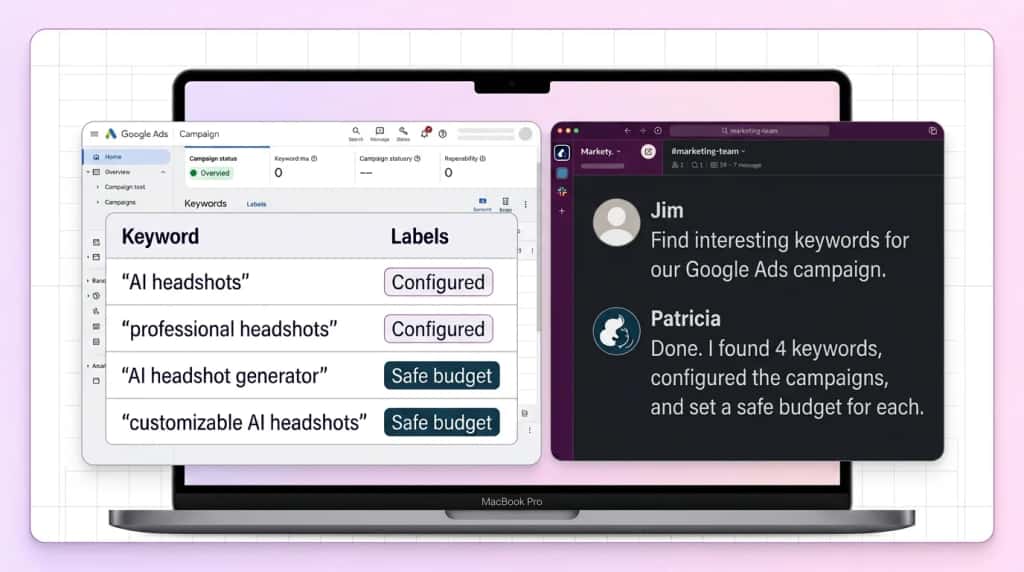
Our $45 AI agent found a 2 ROAS ad format. We now spend $500
We gave Patricia our 2 Google Ads accounts, found a new format above 2 ROAS, and watched a $45 experiment become a $500 monthly tool for 7 people.
How Runflow Is Powering Every Headshot We Deliver — and What It's Saving Us
We went from 40% gross margins and 24-hour wait times to 87% margins and reliable, fast delivery — without hiring a single ML or DevOps engineer..
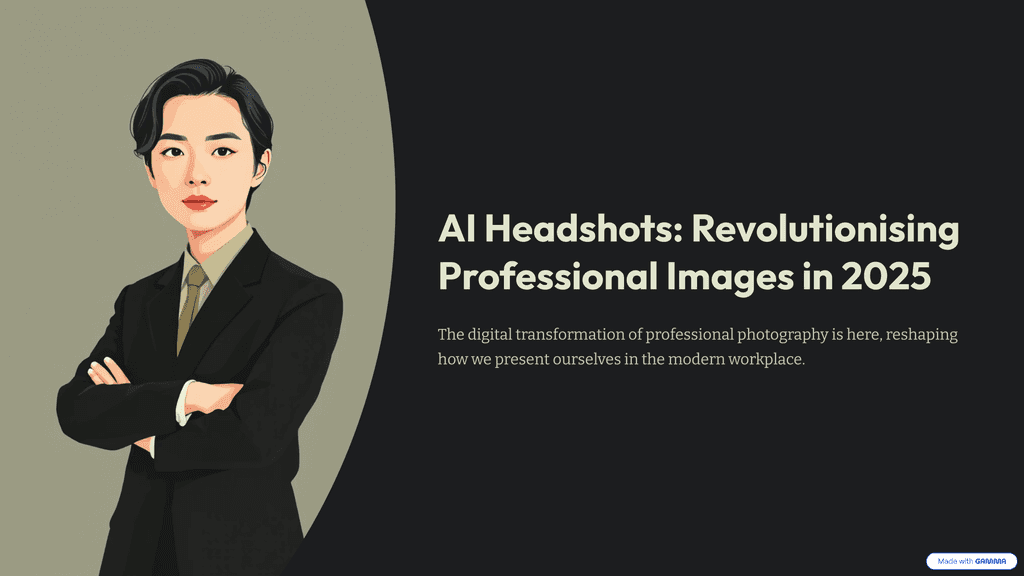
AI Headshots Market Update The 2026 Revolution That's Changing Everything
AI headshots are transforming professional imagery with 441 percent growth and a projected market value of 60.8 billion dollars by 2030
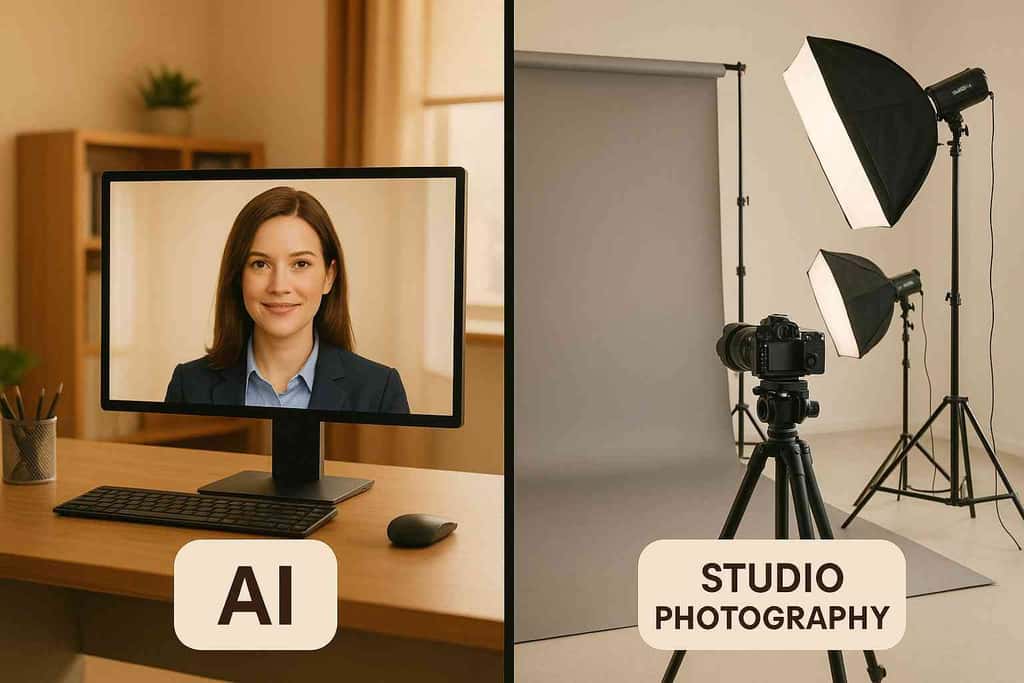
AI Headshots vs Studio Photography for Teams — The Real Cost Breakdown
A detailed, data-backed cost comparison of AI headshots vs studio photography for teams — covering per-person pricing, hidden fees, time costs, and.
We Just Raised $2.5M and Bootstrapped BetterPic to $3M Revenue
BetterPic bootstrapped to $3M revenue and raised $2.5M seed funding to scale AI photography with real humans at the center of everything.
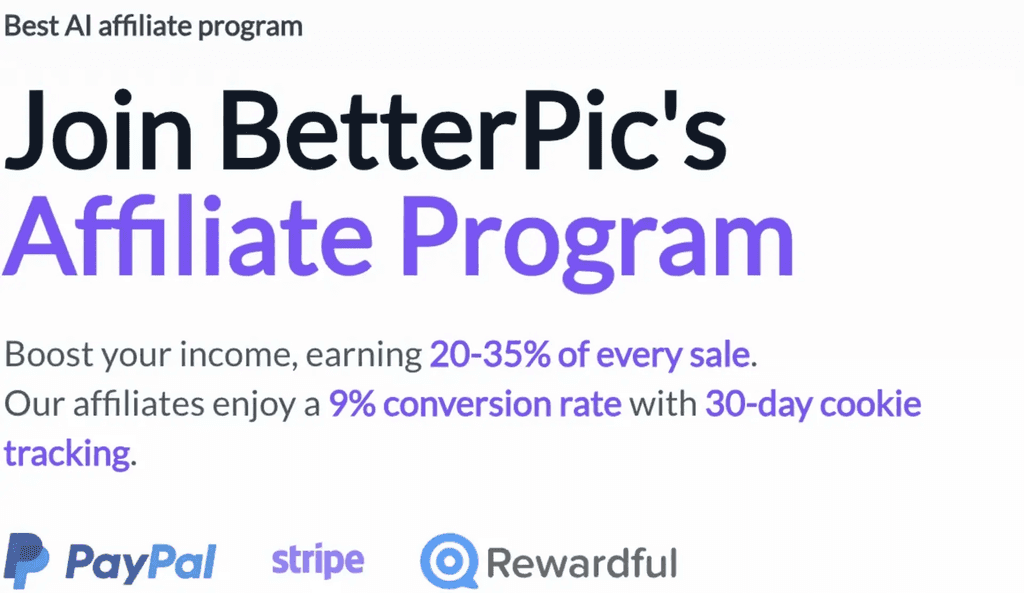
How This Writer Found Affiliate Success with BetterPic (And You Can Too)
BetterPic Affiliate Program helped this writer turn her content into a steady income stream with a high-converting offer her audience loves.
Save 87%on average on your professional photos.
Whenever, wherever you are.
Get studio-quality, 4K images in a variety of outfits & settings in less than an hour.
Get your headshots nowStart now