
Professional Business Headshot Tips for Success and Confidence

This article is part of our Professional Headshots collection.
Your headshot is doing a job interview for you 24/7. It shows up on LinkedIn, company websites, email signatures, and Slack profiles before you ever get a chance to speak. And people form opinions in under a second.
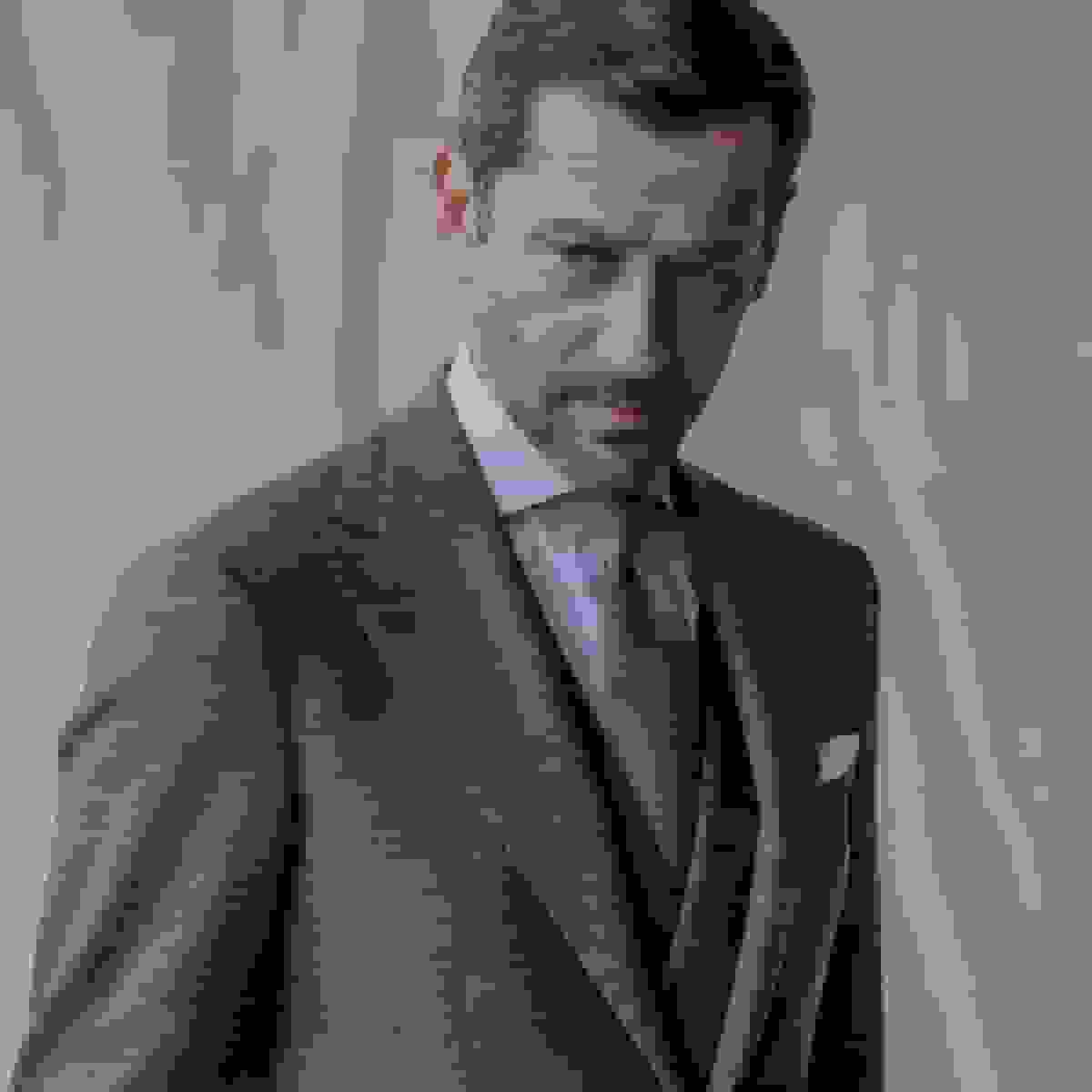
The difference between a headshot that gets ignored and one that builds trust usually comes down to a handful of practical choices -- clothing, lighting, pose, and expression. None of it is complicated, but most people wing it and end up with something forgettable (or worse).
This guide walks through everything you need to nail your next professional headshot, whether you're sitting in a studio, standing in front of a window, or using an AI headshot generator from your couch.
What Actually Makes a Great Business Headshot?
A great headshot looks like you on your best day -- approachable, put-together, and real. Not a glamour shot. Not a passport photo. Something in between that makes people think "I'd trust this person."
Here's what separates good headshots from bad ones:
- Sharp focus on the eyes. If someone can't see your eyes clearly, the photo feels off.
- Clean, non-distracting background. The attention should be on your face, not the bookshelf behind you.
- Natural expression. A stiff, forced smile reads as fake. A slight, genuine smile reads as warm.
- Proper framing. Head and shoulders, maybe upper chest. Not a full body shot. Not cropped at the forehead.
- Good lighting. No harsh shadows under your nose or raccoon eyes from overhead fluorescents.
Think of it this way: your headshot should match the energy you bring to a first meeting. If you're friendly and casual, the photo should feel that way. If your industry is more buttoned-up, lean formal. But either way, it needs to look like you.
What Should You Wear for a Business Headshot?
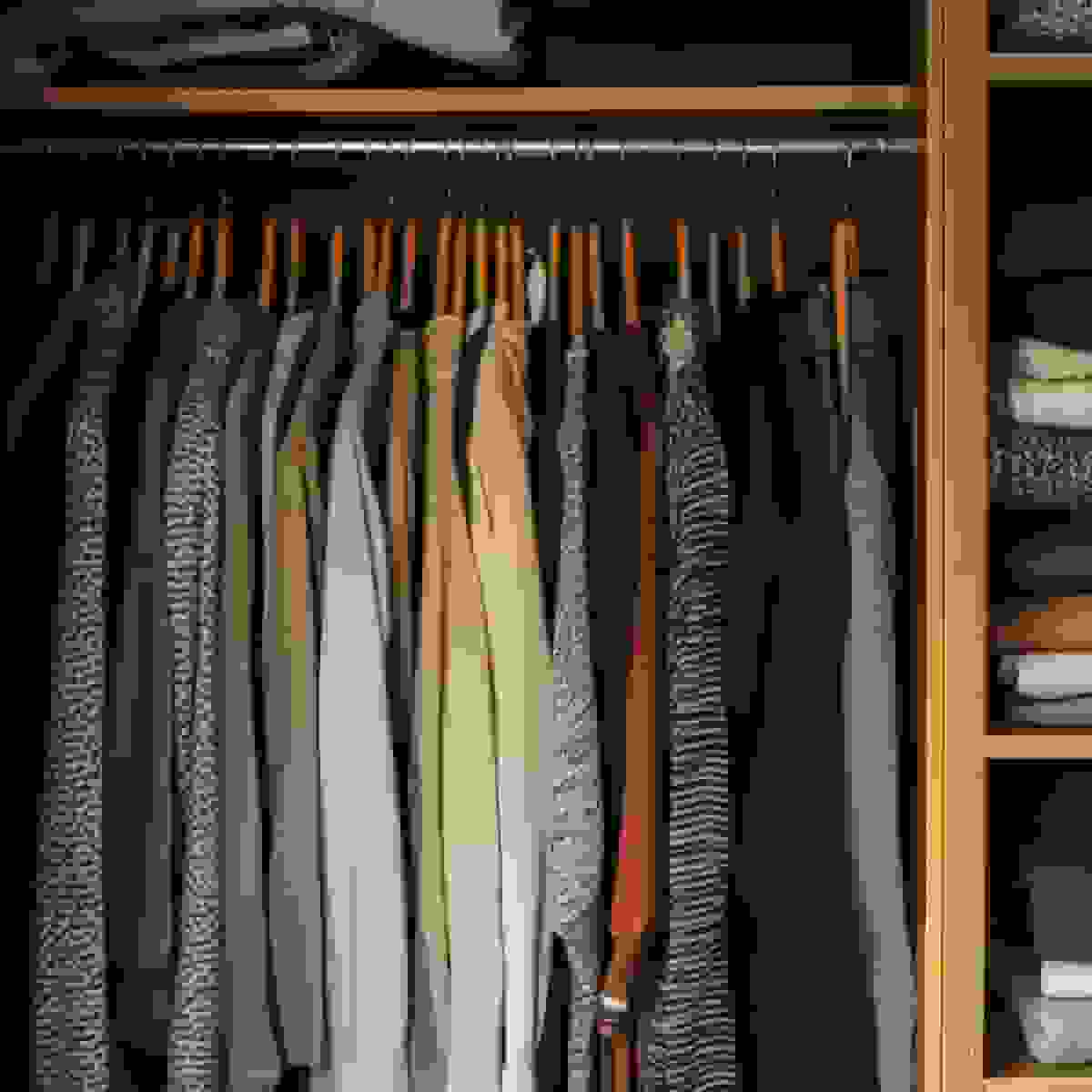
Solid colors in muted tones photograph better than anything else. Busy patterns, logos, and shiny fabrics all compete with your face for attention -- and your face should win every time.
Picking Colors That Work
Different colors send different signals, and it's worth thinking about this for thirty seconds before you grab something from the closet:
- Navy and dark blue -- the safest bet across nearly every industry. Reads as trustworthy and calm.
- Charcoal and gray -- professional without being boring. Works for everyone.
- Deep green or burgundy -- a bit more personality while still looking polished.
- Black -- classic and powerful, but can look harsh depending on your skin tone and the lighting.
- White and cream -- clean and fresh, though pure white can wash out lighter skin tones. Off-white or cream is usually a safer pick.
Avoid neon anything, large prints, and seasonal patterns. That holiday sweater is not headshot material.
What to Wear by Industry
- Corporate/finance/law: Dark suit, solid shirt, conservative tie or blouse. Classic for a reason.
- Tech/startup: Smart-casual works. A well-fitted button-down without the jacket, or a clean crew neck.
- Creative fields: You have more room to express yourself, but keep it polished. A bold color or interesting texture can work, just make sure it doesn't overpower the photo.
- Healthcare/education: Business casual. Think blazer over a solid top, or a clean collared shirt.
Quick Wardrobe Checklist
- Bring 2-3 outfit options to any shoot so you have choices
- Iron or steam everything the night before
- Skip jewelry that dangles, clanks, or catches light
- Make sure your neckline sits flat and your collar isn't popped accidentally
- Avoid fabrics that wrinkle easily (linen, I'm looking at you)
Accessorizing Without Overdoing It
Less is more. A simple watch, small earrings, or a thin necklace -- fine. Chunky statement pieces pull attention away from your face. If you wear glasses daily, wear them in the photo (just make sure they're clean and the lenses don't catch glare). Scarves can add a nice pop of color, but pick one that doesn't overwhelm the frame.
How Should You Pose for a Professional Headshot?

The best headshot poses feel natural because they're built on a few simple adjustments, not dramatic modeling moves. Nobody is asking you to do "Blue Steel." You just need to know where to put your shoulders and what to do with your chin.
Body Position Basics
- Angle your body slightly -- about 30 to 45 degrees from the camera. Facing dead-on looks like a mugshot. A slight turn creates dimension and is more flattering.
- Push your forehead toward the camera just a tiny bit. This sounds weird, but it defines your jawline and avoids the double-chin look. Photographers call it "turtle neck" (push your face forward, then tilt your chin down slightly).
- Roll your shoulders back and down. Hunched shoulders read as nervous. Relaxed, pulled-back shoulders read as confident.
- Keep your hands out of the frame unless you're going for a more casual "arms crossed" look. If you do cross your arms, keep it loose -- not defensive.
What to Do With Your Face
- Relax your jaw. Let your lips part just slightly. A clenched jaw shows tension.
- Squint a tiny bit -- not a full squint, just enough to engage the muscles around your eyes. Peter Hurley calls this the "squinch," and it makes your expression look engaged instead of deer-in-headlights.
- Think of something that genuinely makes you happy right before the shot. Fake smiles don't reach the eyes. Real ones do, and the camera picks up the difference instantly.
- Breathe. Take a deep breath in and exhale right before the shutter clicks. It relaxes everything.
Poses That Work for Different Vibes
| Vibe | What to Do |
|---|---|
| Approachable & warm | Slight smile, head tilted just a touch, shoulders relaxed |
| Confident & authoritative | Direct gaze, neutral expression or slight closed-mouth smile, squared shoulders |
| Creative & casual | Lean slightly forward, broader smile, maybe a hand on the chin or arms loosely crossed |
Practice in your phone camera before the real shoot. You'll figure out your angles fast.
What's the Best Lighting for Professional Headshots?

Soft, directional light is the single biggest factor in whether a headshot looks professional or amateur. You can have the most expensive camera in the world, and bad lighting will still ruin the photo.
Natural Light (The Free Option)
If you're shooting without studio equipment, natural light from a window is your best friend. Here's how to use it:
- Stand facing a large window with the light hitting you from slightly to one side. This creates soft shadows that give your face depth and shape.
- Avoid direct sunlight streaming through the window. It's too harsh and creates unflattering shadows. Overcast days are actually ideal -- the clouds act as a giant diffuser.
- Shoot during the "golden hour" (the hour after sunrise or before sunset) if you're outdoors. The warm, low-angle light is incredibly flattering.
- Use a white wall or a reflector on the shadow side of your face to bounce light back and fill in dark areas.
Studio Lighting (The Controlled Option)
Professional photographers typically use a two or three-light setup:
- Key light -- the main light source, usually positioned at 45 degrees to one side and slightly above your eye line
- Fill light -- a softer light on the opposite side to reduce harsh shadows
- Hair/rim light -- a light behind you that separates you from the background
You don't need to understand all of this to get good results -- that's what the photographer is for. But if you're doing a DIY setup, even one softbox or ring light positioned just above and to the side of your camera will make a massive difference compared to overhead room lights.
Lighting Mistakes to Avoid
- Overhead fluorescent office lights (they create shadows under your eyes and nose)
- Flash pointed directly at your face (flat, washed-out look)
- Backlit situations where the window is behind you (you become a silhouette)
- Mixed color temperatures (warm lamp + cool window = weird color cast)
How Do You Choose the Right Background?

The background should support the photo without stealing attention. If someone notices the background before they notice your face, something went wrong.
Best Background Options
- Solid neutral colors -- gray, white, light blue, or dark navy. These are the go-to for studio headshots because they work with almost every skin tone and outfit.
- Blurred office or outdoor environments -- a shallow depth of field (blurry background) with a hint of an office, park, or city street can add context without distraction.
- Textured walls -- exposed brick, concrete, or wood panels can add visual interest while staying subtle. Just make sure the texture doesn't compete with your clothing pattern.
Backgrounds to Skip
- Cluttered rooms with visible mess
- Bright, busy wallpaper or murals
- Virtual backgrounds that look obviously fake (the halo effect around your hair is a dead giveaway)
- Your kitchen, bathroom, or bedroom (even if it's tidy, it reads as unprofessional)
How Do You Pick the Right Photographer?
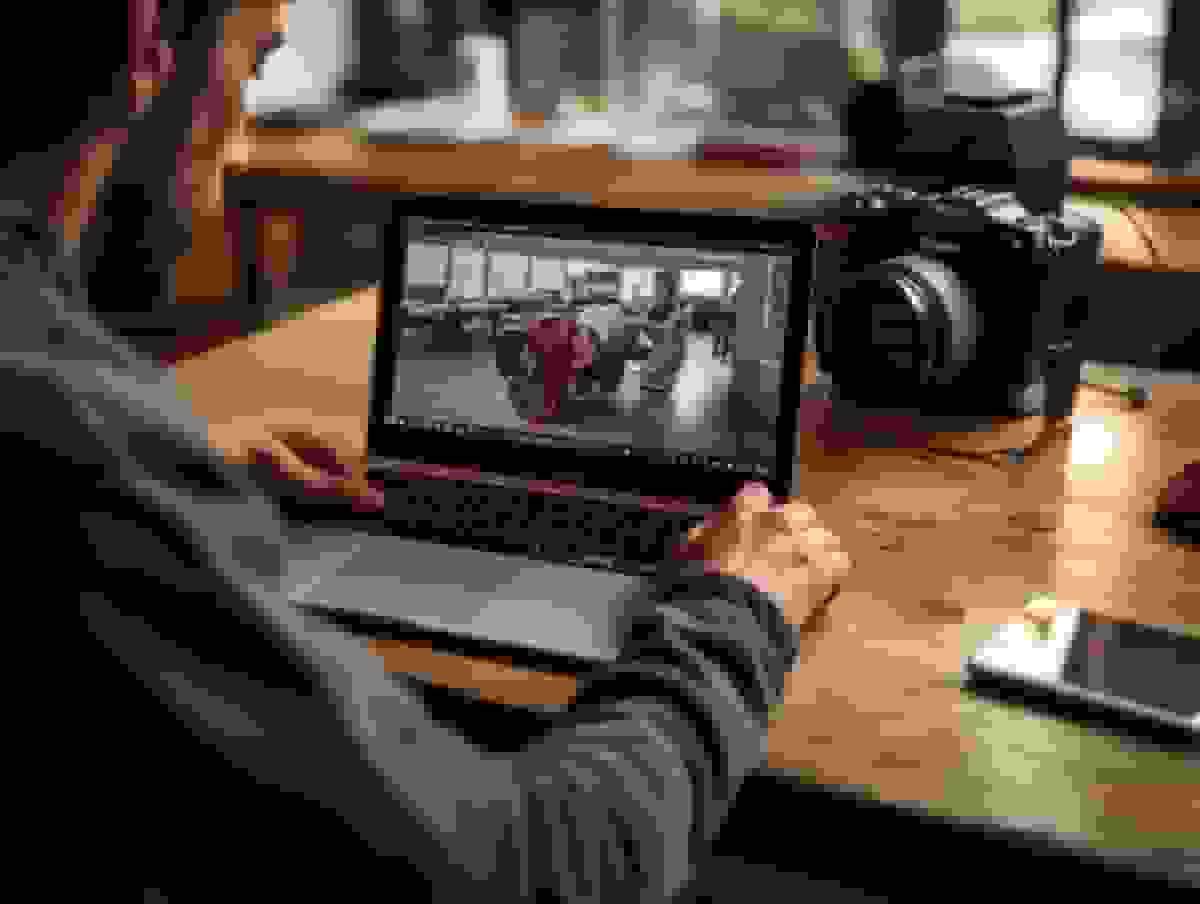
Not all photographers shoot headshots well. Wedding photographers, landscape photographers, and portrait photographers are all different specialties. Here's how to find the right one:
Look at Their Headshot Portfolio Specifically
Browse their work and pay attention to:
- Do the subjects look natural, or stiff and over-posed?
- Is the lighting consistent and flattering?
- Do the backgrounds look clean and professional?
- Can you see personality in the photos, or do they all look the same?
If a photographer doesn't have a dedicated headshot section in their portfolio, that's a red flag.
Compare Packages and Pricing
Most headshot photographers offer tiered packages. Common variables include:
- Number of final retouched images (anywhere from 2 to 20+)
- Session length (15 minutes vs. an hour)
- Number of outfit changes
- Background options
- Turnaround time
Expect to pay anywhere from $150 to $500+ for individual headshots in most cities. Team shoots for companies are usually priced per person and get cheaper at higher volumes.
The AI Alternative
Here's the thing -- not everyone has $300 and a free afternoon to spend at a photographer's studio. And sometimes you need a headshot today, not in two weeks when the photographer has an opening.
That's where BetterPic comes in. You upload a few casual selfies, and the AI generates studio-quality headshots with professional lighting, backgrounds, and retouching. It takes minutes instead of hours, costs a fraction of a traditional shoot, and you can try different looks (outfits, backgrounds, styles) without changing clothes.
It won't replace a full in-person shoot for every situation, but for LinkedIn profiles, company directories, email signatures, and social media -- it's honestly hard to tell the difference. And you can do it from anywhere, anytime.
How Should You Use Your Headshot Across Platforms?

Consistency builds recognition. Use the same headshot everywhere so people connect your face with your name instantly.
LinkedIn
LinkedIn is where your headshot does the most work. A strong profile photo gets you more profile views and connection requests. Crop it to head and shoulders, make sure it's at least 400x400 pixels, and use a recent photo that actually looks like you.
Company Website and Team Pages
If your company has a team page, make sure all headshots share a similar style -- same background, similar framing, consistent lighting. It looks way more professional than a patchwork of selfies and old photos. Consider doing a team shoot or using BetterPic's batch processing to get a unified look.
Email Signatures and Digital Business Cards
Adding your headshot to your email signature puts a face to every message you send. It's a small touch that makes a real difference in how people perceive you. Most email clients support signature images, and services like networking apps now let you share digital cards with your photo.
Social Media
Use the same headshot (or at least the same session's photos) across Twitter/X, Instagram business accounts, and any other professional platforms. Switching between a beach selfie and a suited headshot across platforms undermines the consistency you're going for.
Update your headshot every 1-2 years, or whenever your appearance changes noticeably (new hairstyle, glasses, significant weight change). You want people to recognize you when they meet you in person.
What Are the Biggest Headshot Mistakes People Make?
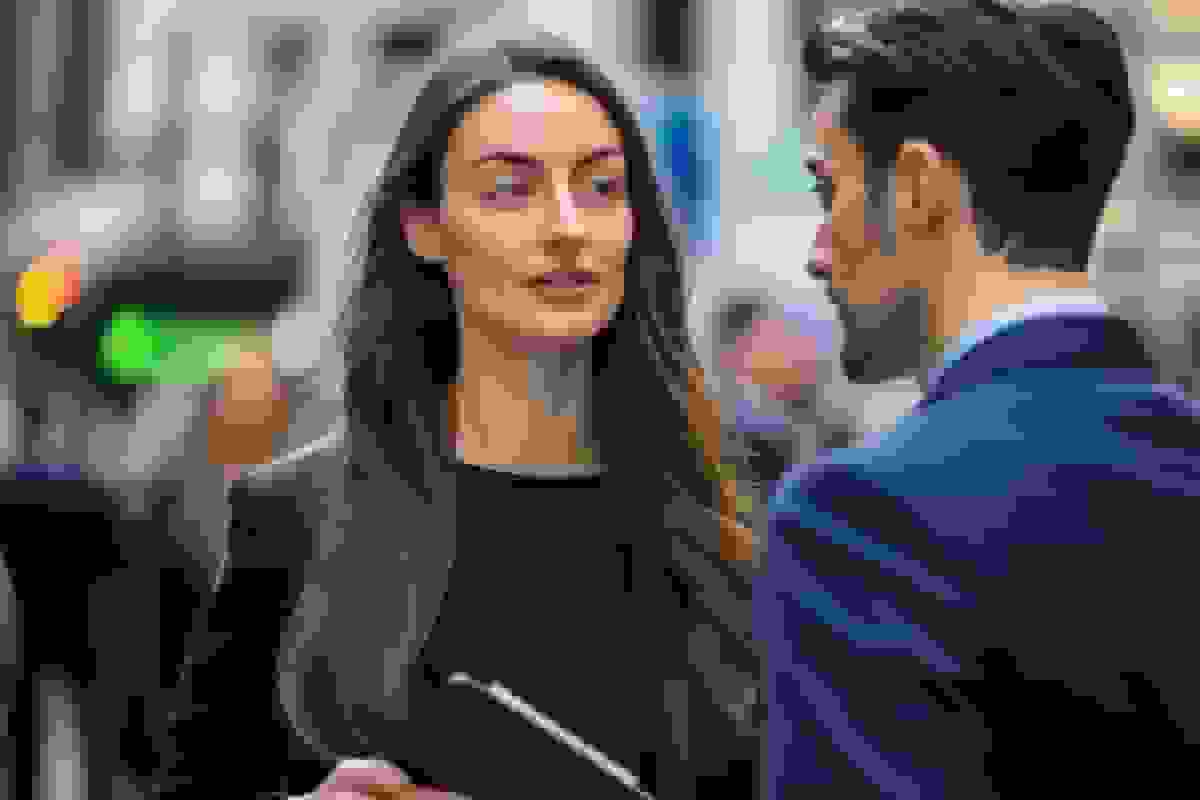
After looking at thousands of professional headshots, these are the most common things that hold people back:
- Using a photo that's 5+ years old. If you show up to a meeting and people don't recognize you, your headshot is too outdated.
- Cropping a group photo. Everyone can tell. The resolution is bad, the framing is off, and there's usually someone's shoulder in the corner.
- Over-retouching. Smoothing out every pore and wrinkle makes you look plastic. Light retouching is fine. Turning yourself into a mannequin is not.
- Wrong expression for your industry. A big toothy grin might work great for a real estate agent but feel out of place for a corporate attorney. Match your expression to your audience.
- Ignoring the background. That "quick photo" with a messy desk or bathroom mirror in the background? Delete it.
- Bad lighting. Harsh overhead light, dim room light, or a flash straight to the face. All of them make you look worse than you do in real life.
- Wearing something you'd never actually wear to work. Your headshot should represent how you actually show up, not a costume.
Making Your Headshots Inclusive and Representative

If you're managing headshots for a team, representation matters. Your team page is often the first thing a potential hire or client looks at, and it says a lot about your company culture.
For Photographers and Organizers
- Learn lighting for all skin tones. This is non-negotiable. Lighting that works for lighter skin can wash out or create unwanted shadows on darker skin. A good headshot photographer adjusts their setup for every individual.
- Offer posing options that accommodate different body types and abilities. Sitting, standing, and leaning all work -- let people choose what's comfortable.
- Use neutral backdrops that don't favor one skin tone over another.
- Let people express their personal style within reasonable professional guidelines. Headshot sessions shouldn't feel like everyone has to look the same.
For Companies
Invite a wide range of employees to participate in corporate headshot sessions. Feature diverse team members on your website and marketing materials. It's not just good optics -- it's an honest reflection of who your company is.
Can AI Headshots Really Replace a Photography Studio?
For most everyday professional uses, yes -- and the quality gap is closing fast. AI headshot tools like BetterPic have gotten remarkably good at generating realistic, professional-looking photos from casual selfies.
Here's when AI headshots make the most sense:
- You need a headshot quickly and can't book a photographer
- You want to test different looks (backgrounds, outfits, styles) without the cost of multiple sessions
- Your company needs consistent headshots for a growing team
- You're on a tight budget but still want something that looks polished
- You want to update your photo without the hassle of scheduling, traveling, and sitting for a shoot
And here's when you might still want a traditional photographer:
- High-stakes executive portraits for C-suite bios
- Situations where you need very specific locations or props
- When you want full creative control over every aspect of the shoot
For everything else -- LinkedIn, company directories, email signatures, conference profiles, social media -- AI headshots do the job well. You can check out BetterPic's free headshot analyzer to see how your current photo stacks up.
Frequently Asked Questions
What are the best professional headshot tips for looking confident on camera?
Start with posture -- roll your shoulders back and stand tall. Angle your body slightly away from the camera instead of facing it head-on. Push your forehead toward the camera just a bit to define your jawline. Relax your face, let your lips part slightly, and think of something that genuinely makes you happy right before the shot. Practice your expressions in your phone camera before the real shoot so you know what works for your face.
What should I wear for a business headshot?
Stick with solid colors in muted tones -- navy, charcoal, deep green, or burgundy all photograph well. Avoid busy patterns, large logos, and shiny fabrics. Match your outfit to your industry: a suit for corporate roles, smart-casual for tech, something more expressive for creative fields. Bring 2-3 outfit options and make sure everything is ironed. Keep accessories minimal so your face stays the focal point.
How should I pose for a headshot if I'm not photogenic?
Here's the secret: "not photogenic" usually means "I don't know my angles yet." Almost everyone looks better when they angle their body 30-45 degrees from the camera, push their chin forward and slightly down, and relax their jaw. A tiny squint (engaging the muscles around your eyes without fully squinting) makes your gaze look more intentional. And a genuine micro-smile always beats a forced grin. Practice these adjustments and you'll be surprised how different you look.
What's the best lighting for professional headshots?
Soft, directional light wins every time. If you're using natural light, face a large window with the light coming from slightly to one side. Overcast days are actually better than sunny ones because clouds diffuse the light evenly. Avoid overhead fluorescents, direct flash, and backlit situations. If you're investing in one piece of equipment, get a softbox or ring light positioned just above and to the side of your camera.
How much does a professional headshot cost, and is AI an affordable alternative?
Traditional headshot sessions range from $150 to $500+ depending on your city and the photographer. That usually includes a session, a handful of retouched images, and maybe one outfit change. AI headshot generators like BetterPic cost significantly less and let you generate multiple professional-looking headshots from casual selfies in minutes. For most professional uses (LinkedIn, company pages, email signatures), AI headshots are hard to distinguish from studio photos.
How often should I update my professional headshot?
Every 1-2 years is a good rule of thumb, or sooner if your appearance changes noticeably -- new hairstyle, glasses, significant weight change. The test is simple: if someone met you in person after seeing your headshot, would they recognize you immediately? If not, it's time for a new one. Using an AI headshot tool like BetterPic makes frequent updates painless since you can generate new headshots anytime without booking a session.
Sources & References
- LinkedIn Profile Photo Tips — LinkedIn
- How Your Profile Photo Impacts Your LinkedIn Presence — LinkedIn Official Blog
- AI Image Generation Market Report — Grand View Research
- How AI Is Changing Photography — Forbes
- Professional Headshot Photography Pricing — Thumbtack

Written by
Apoorv SharmaHead of Performance
Apoorv leads performance and growth at BetterPic with 9+ years of experience across SEO, SEM, and growth marketing. He oversees content strategy, data-driven marketing, and hands-on testing of AI headshot platforms. Previously held senior performance marketing roles across the US, Belgium, and India.
- Google Analytics & Google Ads certified
- HubSpot Inbound & Content Marketing certified
- 9+ years in SaaS growth and performance marketing
Preferred source
Follow BetterPic on Google
Add BetterPic as a preferred source and our headshot guides are more likely to show up in your Top Stories, with a badge in AI Mode and AI Overviews.

Related professional headshots for individuals resources
Keep exploring this topic with focused resources from the B2C journey.
Primary destination:Corporate headshots: cost, styles and examples
Frequently Asked Questions
How can one ensure their clothing choice enhances their professional headshot?
- Choose clothes that fit well and match your industry. Solid colors work best, as patterns can be distracting. Stick to standard suits or business attire in neutral tones. Avoid clothing with logos or bold designs. Make sure your outfit is wrinkle-free and neat. A well-pressed shirt or blouse can make a big difference.
What are some effective posing techniques for a good business headshot?
- Stand or sit up straight with your shoulders back. Turn your body slightly at an angle to the camera, but keep your face forward. This creates a slimming effect and looks more natural. Practice your facial expressions beforehand. Aim for a friendly, approachable look with a genuine smile. Avoid forced grins or overly serious expressions.
What colors are most recommended to wear for a business headshot?
- Neutral colors like white, black, and blue are popular choices. These colors photograph well and don't distract from your face. Avoid bright or neon colors, as they can reflect onto your skin. Earth tones and muted shades also work well for a professional look.
What are some tips for taking a professional headshot by oneself?
- Use a tripod to keep the camera steady. Set up in a well-lit area with natural light if possible. Position yourself facing a window for even lighting. Take multiple shots with slight variations in pose and expression. This gives you more options to choose from later.
How can women make sure their headshot looks professional and polished?
- Choose classic, timeless styles for clothing and accessories. Avoid overly trendy items that may date the photo quickly. Keep makeup natural and subtle. Use matte products to reduce shine. Style hair neatly, keeping it out of your face.
What are key considerations for photographers when taking corporate headshots?
- Communicate clearly with clients about their needs and expectations. Discuss clothing choices, backgrounds, and desired image style beforehand. Use appropriate lighting to flatter the subject. Soft, diffused light works well for most people. Pay attention to angles and poses that highlight each person's best features.
Related articles
View all articles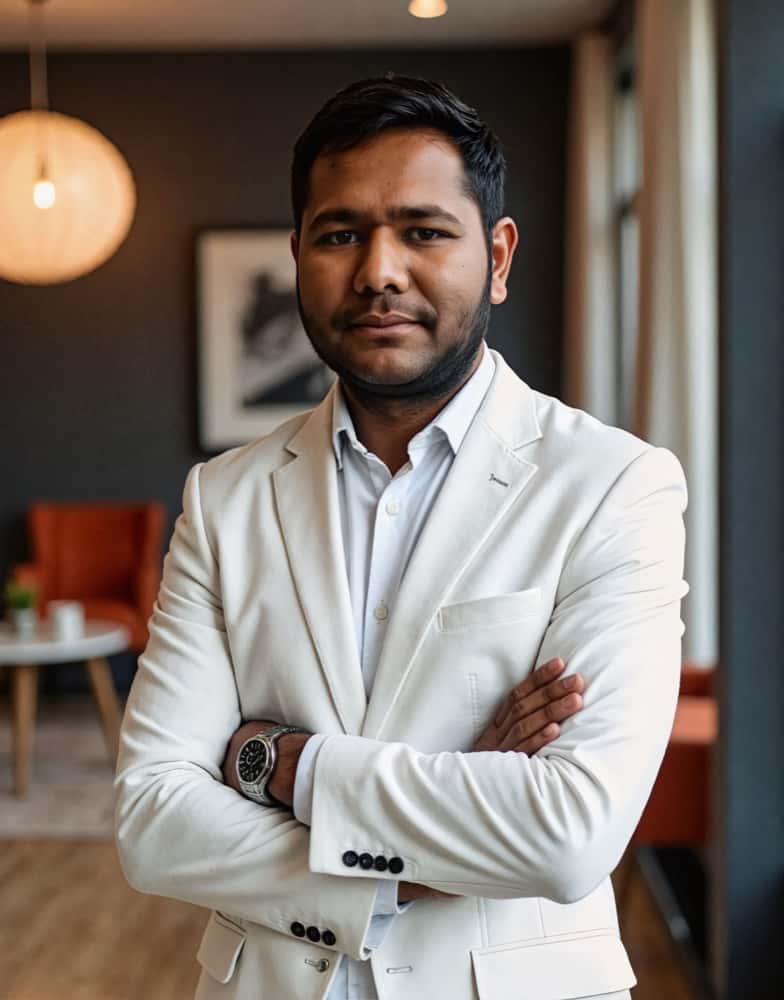
How much does a headshot cost in 2026?
What professional headshots actually cost, what drives the range, the charges that are not in the quoted price, and how to compare a session against an AI alternative.
Cheap AI Headshots: What $29 Actually Gets You vs. a $400 Photographer
A no-BS breakdown of cheap AI headshots in 2026: what they cost, how they compare to studio photography, and whether the results actually work for LinkedIn.
Professional Headshots: The Complete Guide to Getting Yours Right
Everything you need to know about professional headshots: how to get them (photographer, DIY, AI, corporate), what to wear, posing tips, lighting.
How to Get a Professional Headshot for Your Career
A complete guide to getting a professional headshot for your career—compare photographers, AI headshot generators, and DIY options by cost, quality, and speed.
8 Headshot Poses That Actually Work (And When to Use Each One)
The 8 headshot poses that actually work — with specific guidance on when to use each one, how to nail it in a studio or with AI, and which industries.
How to Prepare for Professional Headshots and Make a Great Impression
Learn how to prepare for professional headshots with practical tips on wardrobe, posing, grooming, and choosing the right photographer.
Save 87%on average on your professional photos.
Whenever, wherever you are.
Get studio-quality, 4K images in a variety of outfits & settings in less than an hour.
Get your headshots nowStart now