
Should You Include a Photo on Your CV? Country Rules, ATS Risks & 2026 Guidelines

This article is part of our Professional Headshots collection.
Originally published: February 14, 2025 · Updated: February 24, 2026
Should you put a photo on your CV or resume in 2026?
The answer depends on where you are applying, what role you are targeting, and how the company hires.
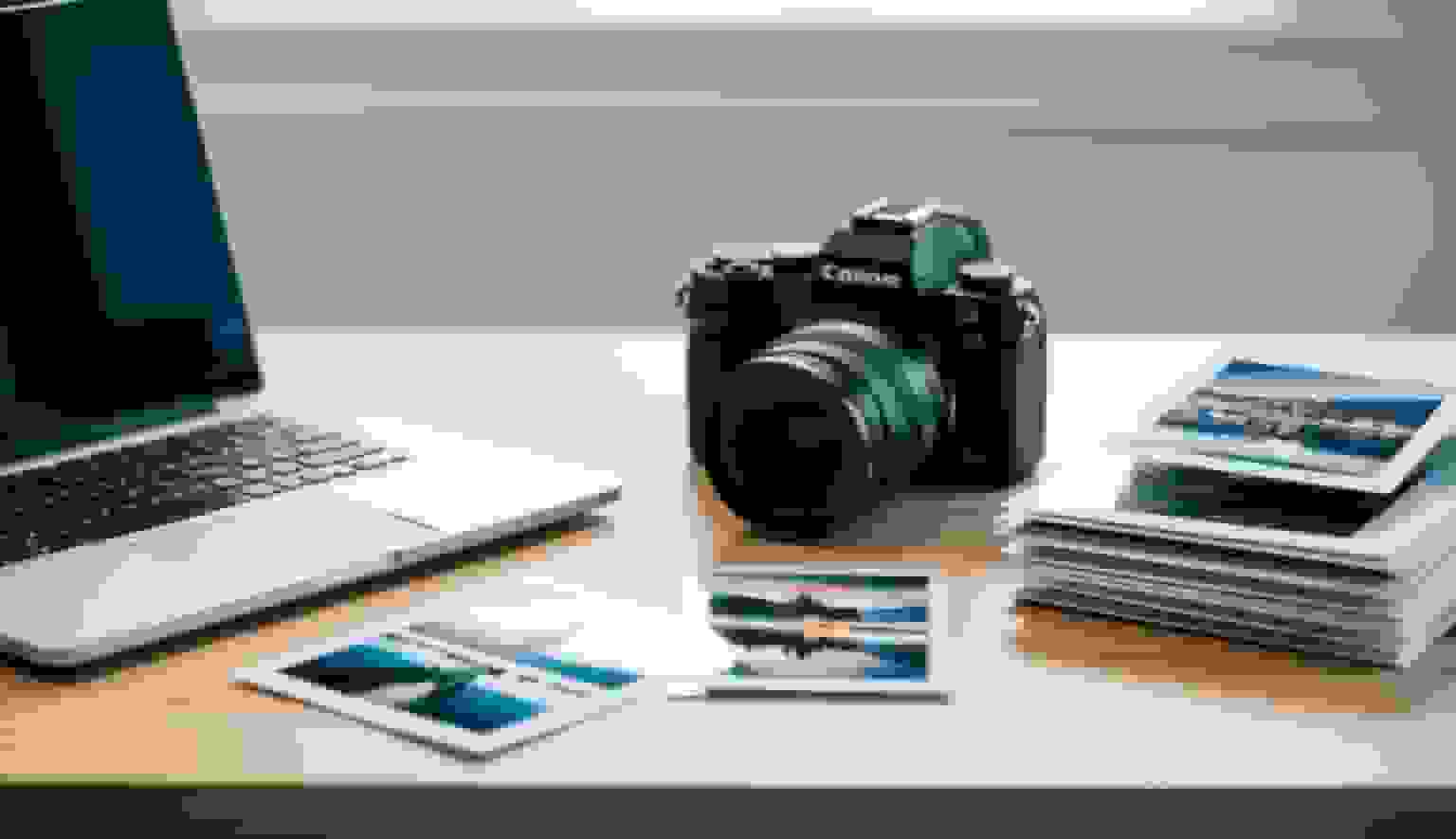
In some European countries, including a professional CV photo is still common. In the United States and United Kingdom, adding a picture can reduce your chances due to anti-discrimination policies and Applicant Tracking System (ATS) limitations.
Below is a clear, practical breakdown so you can decide confidently.
Should you include a photo on your CV?
• United States → ❌ Do NOT include a photo
• United Kingdom → ❌ Not recommended
• Germany / Austria → ✅ Often expected
• France → ⚠️ Mixed
• Corporate global roles → ❌ Safer without
• Creative or client-facing roles → ✅ Often acceptable
If you decide to include one, follow proper formatting and dimension standards here: 👉 Official CV Photo Size & Dimensions Guide
What are the CV photo rules by country?
| Country | Include Photo? | Why |
|---|---|---|
| USA | ❌ No | Employers avoid photos due to discrimination risks |
| UK | ❌ No | Not standard practice |
| Germany | ✅ Yes (traditional) | Still culturally common |
| Austria | ✅ Yes | Expected in formal applications |
| France | ⚠️ Mixed | Depends on employer |
| Singapore | ⚠️ Mixed | Industry-dependent |
In the US and UK, many employers remove photos automatically to reduce bias. According to the U.S. Equal Employment Opportunity Commission (EEOC), hiring decisions must focus on qualifications rather than personal characteristics.
When does including a CV photo actually help?
A professional CV photo may strengthen your application when:
- Applying for acting or modeling roles
- Working in real estate or sales
- Targeting public-facing or branding roles
- Applying in Germany or Austria
- The job listing explicitly requests a photo
In these cases, appearance and presentation form part of professional evaluation.
If needed, you can generate a studio-style portrait using an AI headshot generator instead of scheduling a physical photoshoot.
When can a CV photo hurt your application?

Avoid adding a photo if:
- You are applying in the US or UK
- The job uses a strict ATS-based system
- The company emphasizes DEI hiring policies
- The employer does not request a picture
Photos can unintentionally introduce bias related to age, gender, or ethnicity. In competitive corporate hiring environments, minimizing non-essential elements is often safer.
Can a photo cause problems with ATS resume parsing?
Most Applicant Tracking Systems are optimized for text-only resumes.
Potential problems with resume photos:
• Layout distortion
• Text parsing errors
• Automatic rejection
• Increased file size
If submitting through a large job portal, leaving your resume image-free may reduce technical risk.
What should a professional CV photo look like?

If you decide to include a photo, it should meet professional headshot standards — not look casual.
A strong CV photo should have:
• Neutral white or light grey background
• Head-and-shoulders framing
• Direct or slightly angled eye contact
• Natural expression (no exaggerated smile)
• Business-appropriate attire
• Even, soft lighting
Avoid:
• Selfies
• Party or cropped group photos
• Distracting backgrounds
• Heavy filters or beauty effects
• Overly dramatic poses
For detailed size specifications (cm, inches, and pixels), see our complete guide here: 👉 Resume & CV Photo Size Guide
What are the most common CV photo mistakes?
Even in countries where photos are expected, these mistakes reduce credibility:
- Using outdated photos
- Uploading low-resolution images
- Wearing casual clothing
- Using dark or cluttered backgrounds
- Cropping incorrectly
- Applying heavy editing filters
Your CV photo should support your professionalism — not distract from it.
Where should a photo go on your resume?
If included, your photo should:
• Appear in the top corner (left or right)
• Take up no more than 5–10% of page space
• Not disrupt resume layout
• Maintain clear spacing from text
In modern resume templates, use correct CV photo dimensions to keep placement subtle and balanced.
CV Photo Requirements by Industry
Whether to include a photo is not only a regional question — it also varies by the industry you are targeting. The table below gives you a quick reference across common fields.
| Industry | Photo Expected? | Notes |
|---|---|---|
| Tech / Software | No | Most tech companies in the US and UK use ATS-first pipelines; photos are rarely expected and can introduce bias |
| Finance / Banking | No (US/UK) / Sometimes (EU) | Conservative sector — follow the country norm; a polished LinkedIn profile matters more |
| Healthcare | No | Clinical and hospital roles focus strictly on qualifications and credentials |
| Legal | No | Law firms in the US and UK do not expect photos; German and Austrian legal roles may still include one |
| Real Estate | Yes | Client-facing nature of the role means a professional headshot is often welcomed or expected |
| Creative / Media | Sometimes | Portfolios take priority, but a photo on the CV can reinforce personal brand for on-screen or public roles |
| Academia | No | Academic CVs are evaluated on publications and research output; photos are not standard |
| Hospitality | Sometimes | Front-of-house and client-service roles may welcome a photo, particularly in luxury hospitality |
If you are applying across multiple industries simultaneously, keep two CV versions — one with a photo and one without — so you can tailor your application without losing time reformatting.
How to Create a Professional CV Photo in 2026
Once you have decided to include a photo, the next question is where to find dedicated resume headshot options that genuinely look professional. There are three main routes.
Hiring a professional photographer
A studio or corporate photographer will deliver the highest-quality result. Sessions typically cost between $100 and $400 depending on your location, the photographer's experience, and whether retouching is included. The main advantages are expert lighting, a curated set, and a final image that requires no further editing. The drawback is cost and scheduling time — you may wait days or weeks for an appointment and then several more for final delivery.
Using an AI headshot generator
Services like BetterPic's AI headshot generator produce studio-quality portraits from a set of selfies you upload from home. The process takes a few hours rather than days, costs a fraction of a professional shoot (typically $25–$40 for a full pack), and gives you multiple backgrounds and styles to choose from. The output is indistinguishable from a traditional headshot and is accepted by employers worldwide. This is the fastest route if you need a professional image quickly or want to keep costs low.
DIY at home
If you prefer to take your own photo and polish the portrait yourself, setup matters enormously. Use a modern smartphone with portrait mode, stand near a large window for natural diffused light, and choose a plain white or light grey wall as your background. Wear business-appropriate clothing and ask a friend to take the shot rather than using a timer. The result can be acceptable, but it is the most time-consuming option to get right without the right equipment.
Comparison of methods
| Method | Cost | Time to Receive | Quality | Convenience |
|---|---|---|---|---|
| Professional photographer | $100 – $400 | 3 – 10 days | Highest | Low (requires booking and travel) |
| AI headshot generator | $25 – $40 | 1 – 4 hours | High | Very high (fully remote) |
| DIY at home | $0 | Same day | Variable | Medium (requires setup and retakes) |
For most job seekers who need a reliable, fast, and cost-effective result, an AI headshot generator offers the best balance of quality and convenience in 2026.
Regional CV Photo Trends: What's Changing in 2026
The global norm around CV photos is shifting, and understanding the direction of that change helps you stay ahead.
Germany softening its requirements
Germany has historically been one of the strongest advocates for CV photos, with a professional headshot considered near-mandatory in formal applications. That norm is gradually relaxing. A growing number of German employers — particularly in tech, startups, and internationally-oriented companies — have removed the photo field from their application portals to align with EU anti-discrimination guidelines. If you are applying to a traditional German Mittelstand company or a public-sector role, a photo is still expected. For modern Berlin tech firms, it is increasingly optional.
Middle East expectations
In the Gulf states — particularly the UAE, Saudi Arabia, and Kuwait — including a professional photo remains common practice and is generally expected for white-collar applications. Presentation and personal image carry significant cultural weight in these markets. Ensure the photo is formally dressed and taken against a neutral background; anything that reads as informal can create a negative first impression before the CV content is even read.
Asia-Pacific norms
Photo expectations across the Asia-Pacific region vary considerably. In Japan, South Korea, and China, attaching a formal headshot to a CV is standard practice and omitting one may raise questions. In Australia and New Zealand, the norm aligns more closely with the US and UK — photos are not expected and may even be discouraged to prevent unconscious bias. Singapore sits in the middle: norms differ by industry, with finance and law typically following Western conventions and hospitality or retail roles being more open to photos.
Remote-first companies globally
A clear emerging trend in 2026 is that fully remote and remote-first companies — regardless of their country of incorporation — are moving away from CV photos as a standard expectation. Distributed hiring teams increasingly default to blind-resume screening in the first round, reserving video introductions for later stages. If a job listing is fully remote and makes no mention of a photo, it is safer to leave it out.
Frequently Asked Questions
Should I put a photo on my resume in 2026?
In the US and UK, generally no — photos can trigger bias concerns and cause ATS parsing issues that reduce your chances before a human ever sees your application. In parts of continental Europe such as Germany and Austria, a professional photo is still common and often expected. The safest rule is to follow the regional norm and check whether the job listing specifically requests one.
Does a CV require a photo?
Only if requested by the employer or culturally expected in that country. In most English-speaking markets, the CV is evaluated entirely on its written content, so adding an unrequested photo offers no advantage and may introduce unnecessary risk. When in doubt, check the employer's own website or job listing for any indication of their preference.
Can ATS reject resumes with photos?
Some systems may misinterpret formatting, especially if images interfere with text parsing. When a photo is embedded in a document, it can corrupt the column layout that ATS software expects, causing your work history or contact details to be parsed incorrectly or dropped entirely. Submitting a clean, image-free PDF is the safest approach for any role that uses an online application portal.
What kind of photo should I use?
A professional headshot with a neutral background, proper lighting, and business attire. The image should be head-and-shoulders, facing directly toward the camera or at a slight angle, with a natural expression. Avoid selfies, heavy filters, or casual clothing — your photo should be indistinguishable from something taken in a professional studio setting.
Is an AI-generated headshot acceptable?
Yes — as long as it appears realistic and professional. Modern AI headshot generators like BetterPic produce results that are visually identical to studio photography, and employers cannot tell the difference. The key is that the final image meets the visual standards of a professional headshot: correct framing, neutral background, appropriate attire, and natural lighting.
So what's the final verdict on CV photos?
Including a photo on your CV is not universally correct — and in some markets, it can reduce your chances.
The safest strategy is to follow regional norms and employer expectations.
When in doubt, leave it out.
Sources & References
- LinkedIn Profile Photo Tips — LinkedIn
- How Your Profile Photo Impacts Your LinkedIn Presence — LinkedIn Official Blog
- AI Image Generation Market Report — Grand View Research
- How AI Is Changing Photography — Forbes
- Professional Headshot Photography Pricing — Thumbtack

Written by
Apoorv SharmaHead of Performance
Apoorv leads performance and growth at BetterPic with 9+ years of experience across SEO, SEM, and growth marketing. He oversees content strategy, data-driven marketing, and hands-on testing of AI headshot platforms. Previously held senior performance marketing roles across the US, Belgium, and India.
- Google Analytics & Google Ads certified
- HubSpot Inbound & Content Marketing certified
- 9+ years in SaaS growth and performance marketing
Preferred source
Follow BetterPic on Google
Add BetterPic as a preferred source and our headshot guides are more likely to show up in your Top Stories, with a badge in AI Mode and AI Overviews.

Related professional headshots for individuals resources
Keep exploring this topic with focused resources from the B2C journey.
Primary destination:Resume headshots
Frequently Asked Questions
Should you put a photo on your resume in 2026?
- In the US and UK, generally no. Employers avoid photos due to discrimination risks, and many ATS systems cannot properly parse images. In Germany and Austria, a professional photo is still culturally expected. In France, it depends on the employer. When in doubt, leave it out.
Can a resume photo break an applicant tracking system?
- Most ATS software is built for text-only documents, so an embedded photo can distort layout, break text parsing and cause fields to be misread. That is a mechanical failure rather than a hiring judgement.
What countries require a photo on your CV?
- Germany and Austria traditionally expect CV photos. France has mixed expectations depending on the employer. Singapore is industry-dependent. The US and UK do not expect photos, and many employers automatically remove them to reduce bias in hiring decisions.
What should a professional CV photo look like?
- A proper CV photo should have a neutral white or light grey background, head-and-shoulders framing, direct or slightly angled eye contact, a natural expression, business-appropriate attire, and even soft lighting. Avoid selfies, party photos, distracting backgrounds, heavy filters, and dramatic poses.
Is an AI-generated headshot acceptable on a CV?
- It is acceptable where a CV photo is expected at all, provided it looks realistic and professional and represents your current appearance. Studio-quality generated portraits meet that bar; heavily stylised ones do not.
Related articles
View all articles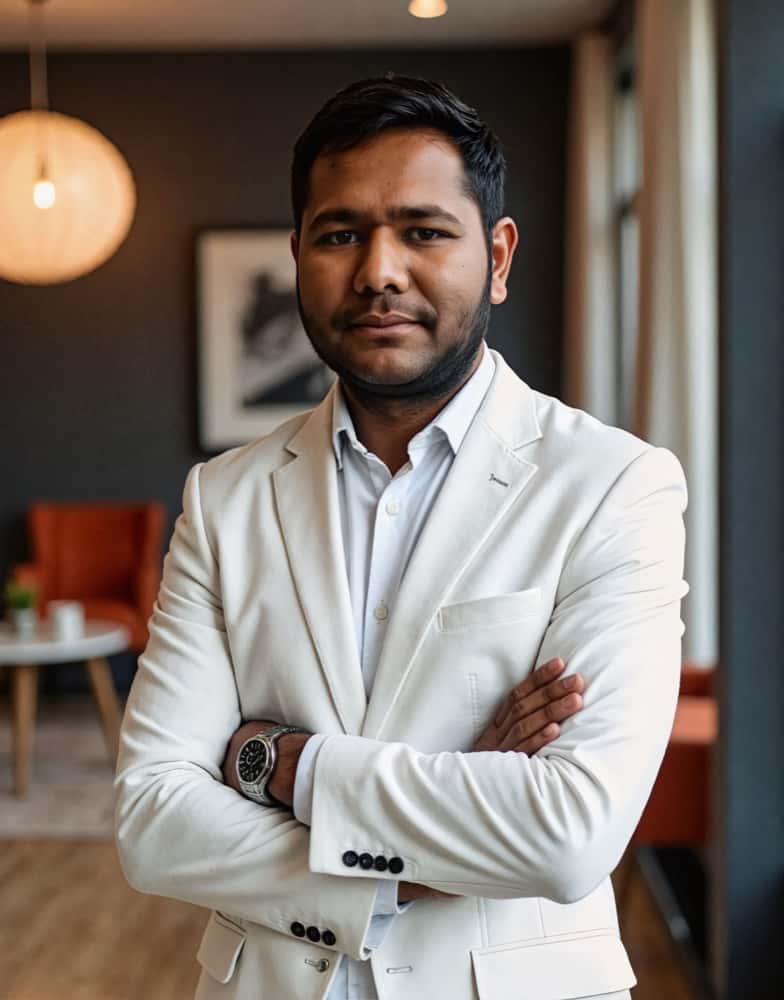
How much does a headshot cost in 2026?
What professional headshots actually cost, what drives the range, the charges that are not in the quoted price, and how to compare a session against an AI alternative.
Cheap AI Headshots: What $29 Actually Gets You vs. a $400 Photographer
A no-BS breakdown of cheap AI headshots in 2026: what they cost, how they compare to studio photography, and whether the results actually work for LinkedIn.
Professional Headshots: The Complete Guide to Getting Yours Right
Everything you need to know about professional headshots: how to get them (photographer, DIY, AI, corporate), what to wear, posing tips, lighting.
How to Get a Professional Headshot for Your Career
A complete guide to getting a professional headshot for your career—compare photographers, AI headshot generators, and DIY options by cost, quality, and speed.
8 Headshot Poses That Actually Work (And When to Use Each One)
The 8 headshot poses that actually work — with specific guidance on when to use each one, how to nail it in a studio or with AI, and which industries.
How to Prepare for Professional Headshots and Make a Great Impression
Learn how to prepare for professional headshots with practical tips on wardrobe, posing, grooming, and choosing the right photographer.
Save 87%on average on your professional photos.
Whenever, wherever you are.
Get studio-quality, 4K images in a variety of outfits & settings in less than an hour.
Get your headshots nowStart now