
What Makes a Good Headshot Your Ultimate Professional Guide
This article is part of our Professional Headshots collection.
Before anyone ever hears you speak, your headshot has already introduced you. So, what actually makes a good headshot? It’s not just a nice picture. It's a careful mix of technical quality and authentic personality, all wrapped up to support your professional goals. Think of it less as a photo and more as a critical branding tool, designed to telegraph confidence, competence, and approachability in a single look.
Your Headshot Is Your First Handshake
In a world run on digital connections, your headshot is often the very first impression you make. It's the visual anchor for your LinkedIn profile, the face next to your speaker bio, and the image that represents you on the company website. A great headshot is out there working for you 24/7, building trust and setting the right tone before you've even walked into the room.
This guide is all about unpacking why a well-planned headshot is an absolute must-have. We'll dig into every component that separates a forgettable snapshot from a powerful professional portrait, making sure your first impression is one that sticks.
This diagram nails the three core pillars of a great headshot: the technical quality, your authentic personality, and how it all serves your professional goals.
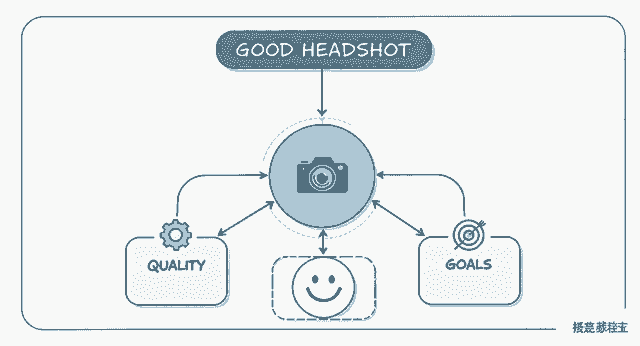
It’s a great reminder that a powerful image isn't about just one thing, but how all three pieces come together perfectly.
Defining a Modern Headshot
The definition of a "good" headshot is always changing. Today, the best ones blend authenticity with top-notch technical execution. We've seen a huge shift away from stiff, overly formal poses toward more natural, approachable expressions that reflect a genuine personal brand.
A great headshot feels like you on your best day—professional, polished, yet completely authentic. It should capture the essence of who you are and what you represent professionally without feeling forced or artificial.
People connect with authenticity. A headshot that conveys warmth and confidence is essential for making a real impression on platforms from LinkedIn to internal company directories. Of course, the technical side is still non-negotiable—your photo needs to be high-resolution, sharp, and ready for any screen. If you want to dive deeper, you can discover more insights about headshot best practices.
The Four Pillars of a Successful Headshot
To really get a grip on what makes a headshot work, it helps to break it down into four fundamental pillars. The table below gives a quick overview of these core elements, which we'll explore in much more detail throughout this guide.
The Four Pillars of a Successful Headshot
A quick summary of the fundamental elements that contribute to an effective professional headshot.
| Pillar | Key Elements |
|---|---|
| Technical Quality | Proper lighting, sharp focus, high resolution, and balanced composition. |
| Subject Presentation | Authentic expression, appropriate attire, professional grooming, and confident posture. |
| Brand Alignment | The image reflects your personal brand, industry standards, and professional goals. |
| Contextual Use | The headshot is optimized and tailored for its intended platform (e.g., LinkedIn, website). |
Nailing these four areas is the secret to creating an image that doesn't just look good, but actively helps you achieve your professional goals.
The Technical Details That Define Quality
Beyond the smile and the suit, a handful of technical details are what truly separate a polished, professional image from a casual snapshot. These elements work behind the scenes to build trust, guide the viewer's eye, and make sure your image looks sharp and credible everywhere it’s used. Getting them right is the secret to a great headshot.
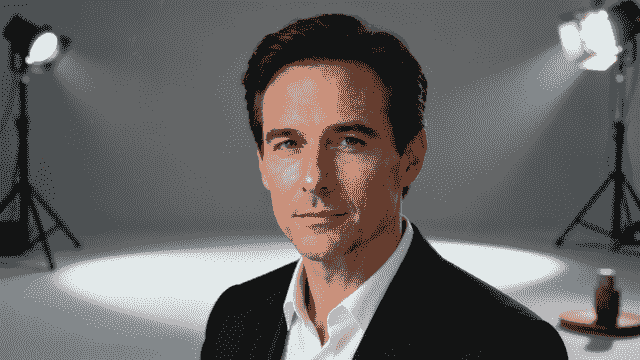
Think of it like building a house. A striking design is important, but if the foundation is weak, the whole structure suffers. In photography, lighting, composition, and resolution are that foundation.
Mastering Light to Shape Perception
Lighting is arguably the most powerful tool a photographer has. It does more than just make you visible—it sets the mood, creates dimension, and can even influence how trustworthy you appear.
Poor lighting, like the harsh flash from a smartphone or stark overhead office lights, creates flat images with ugly shadows. It can make you look tired or unapproachable. Professional photographers, on the other hand, use controlled lighting to sculpt your features.
A professional headshot uses light not just to illuminate, but to guide the viewer’s perception. Soft, dimensional lighting conveys warmth, competence, and approachability, making your first impression a positive one.
One of the most common techniques is three-point lighting. This classic setup uses a key light (the main one), a fill light (to soften shadows), and a back light (to separate you from the background). This combination creates a look that is both professional and dimensional, adding a subtle depth that makes the image pop. The goal is soft, flattering light that kills harsh shadows under the eyes and chin, resulting in a clean and confident look.
The Art of Composition
Composition is simply how everything is arranged in the picture. It’s the invisible structure that makes an image feel balanced, focused, and pleasing to look at. While a selfie might just stick your face in the center, a professional headshot uses composition to direct attention and feel more dynamic.
The rule of thirds is a foundational principle here. Imagine your frame is divided by a tic-tac-toe grid. Placing key features—like your eyes—along these lines or where they cross creates a more engaging and balanced image than just centering yourself.
Another key compositional choice is the framing. Different headshot styles use framing to achieve specific goals:
- Tight Crop (Head and Shoulders): This is the classic professional look, perfect for LinkedIn. It’s intimate and focuses entirely on your expression.
- Mid-Shot (Waist Up): This offers more context, letting you show a bit more personality through your posture and even hand gestures.
- Full Body: Less common for a primary headshot, this is used in specific fields (like fashion or fitness) where your overall style is part of the brand.
Each of these choices tells a slightly different story. You can explore the various types of headshots and their uses to see which framing best aligns with your professional goals.
Why Resolution Is Non-Negotiable
Finally, let’s talk about resolution. This is just the amount of detail an image holds, measured in pixels. A low-resolution photo looks blurry, pixelated, and completely unprofessional, especially when you try to make it bigger.
A good headshot must be high-resolution. Why is this so critical? Versatility. You’ll use your headshot in many different places, each needing a different size:
- A tiny icon on a social media comment thread.
- A medium-sized image on your company’s “About Us” page.
- A large, high-quality print for a conference brochure or magazine feature.
A high-resolution original file ensures your image stays sharp and clear no matter where it's used. It’s a technical detail that future-proofs your professional image, guaranteeing you look crisp and competent across every platform.
How to Look Confident and Approachable on Camera
Getting the lighting and composition right is one thing, but that's just setting the stage. What really makes a headshot work is the person in it. The most expensive camera in the world can't fake confidence or make someone look genuinely approachable—that part is all you. This is where we get into the human side of things: your expression, your posture, and what you wear.
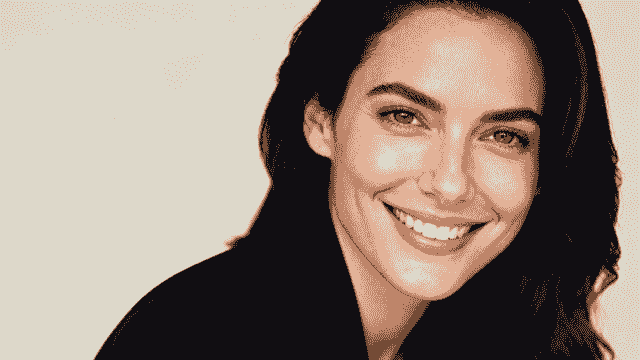
Think of it as translating your personality into a single, static image. A real smile that actually reaches your eyes can build an instant connection with whoever sees it. On the other hand, a more focused, calm expression might be a better fit if you're building a brand around authority and expertise. The whole point is to make sure the vibe you’re giving off matches your industry and what you're trying to achieve.
Finding Your Authentic Expression
Your expression is the absolute soul of your headshot. It's how you communicate warmth, trustworthiness, and professionalism without saying a word. The problem is, most of us tense up the second a camera is pointed our way, leading to that classic stiff, deer-in-the-headlights look. The secret to avoiding that? A little bit of prep.
It might feel a bit silly, but practicing in front of a mirror is genuinely one of the best things you can do. Try out a few different expressions—a soft smile, a genuine laugh, a more serious and thoughtful look. Figure out what feels most like you. When you walk into the shoot already comfortable with how you look, that confidence comes through in the final shot.
What truly makes a good headshot stand out is genuine happiness and confidence. When you feel comfortable in your own skin, that positive energy radiates from the photo, making it an authentic reflection of your professional persona.
A good photographer will absolutely help coach you through this, but coming in with an idea of what works for you makes the whole process go smoother and gets you better results.
The Power of Posture and Pose
Your posture says a lot about you before you've even opened your mouth. Slouching can come across as insecure or just plain uninterested, while standing tall projects confidence and authority. You'd be surprised what a few small tweaks can do.
Here are a couple of simple posture tricks to look stronger on camera:
- Stand or Sit Tall: Imagine a string is gently pulling the top of your head toward the ceiling. This simple act of elongating your spine instantly makes you look more alert and self-assured.
- Angle Your Body: Facing the camera dead-on can look a little confrontational, almost like a mugshot. By angling your body slightly to the side and then turning your head back to the camera, you create a look that's far more dynamic and welcoming.
- Mind Your Chin: Gently push your chin forward and slightly down. Photographers sometimes call this "turtling." It feels weird in the moment, but it's an old pro trick for defining your jawline and getting rid of any hint of a double chin.
These aren't dramatic poses, just subtle shifts that help create a more powerful and flattering image. It’s all about making sure your body language is sending the same confident message as your expression.
Choosing Attire That Supports Your Brand
Think of your clothing as a supporting actor in your headshot—it should help you shine without stealing the scene. The goal is to pick an outfit that you feel great in, that fits you perfectly, and that feels right for your professional brand.
When you feel good in what you're wearing, you're naturally more relaxed and confident on camera. If you’re constantly tugging at a jacket that’s too tight or feeling awkward in a loud pattern, that discomfort is going to show up on your face.
Solid colors are almost always a better bet than busy patterns, which can pull focus away from you. Rich jewel tones like sapphire, emerald, and ruby tend to look great on most skin tones and add a nice pop of color without being distracting. At the end of the day, your outfit should feel like a slightly more polished version of your everyday professional style.
To make things even easier, here's a quick cheat sheet on what to wear and what to skip for your headshot session.
Attire Do's and Don'ts for Your Headshot
This is a simple guide to help you pick the perfect outfit so you can walk into your session feeling totally prepared and confident.
| Do | Don't |
|---|---|
| Wear well-fitted clothing that you feel comfortable and confident in. | Choose busy patterns or large logos that can distract from your face. |
| Opt for solid, classic colors like blues, grays, or jewel tones. | Wear bright neon colors that can cast an unflattering color reflection onto your skin. |
| Layer your outfit with a blazer or cardigan to add dimension and structure. | Select sleeveless tops or thin straps, as they can be less flattering in a tight crop. |
| Ensure your clothes are clean and perfectly pressed to project professionalism. | Over-accessorize with large, shiny jewelry that can create distracting glare. |
Choosing the right outfit is less about fashion rules and more about removing distractions. When your clothes, posture, and expression are all working together, you get a headshot that truly represents the best version of your professional self.
Choosing a Background That Reinforces Your Brand
Your headshot's background is way more than just dead space—it’s the stage where your professional story unfolds. Get it right, and it supports your image and reinforces your brand. Get it wrong, and it can completely undermine the message you're trying to send. A well-chosen background makes you the undeniable star of the show.

Ultimately, you have two main paths to choose from: a clean studio backdrop or a more contextual environmental setting. Neither is flat-out better than the other. The best option is the one that tells the story you want to tell. Let's break down what each one brings to the table.
Studio Versus Environmental Backgrounds
The classic studio background is a classic for a reason. Simple, neutral colors like gray, white, or black put all the focus squarely on you, creating a clean and timeless look. This kind of versatility means it works just about anywhere, from your LinkedIn profile to the company directory. It screams professionalism and focus, plain and simple.
An environmental background, on the other hand, uses your actual surroundings to add a layer of narrative. It puts you right in your element, in a location that says something about your profession or personality. This approach adds context and can make your headshot feel more authentic and alive.
Here’s how different professionals might use these options:
- A financial advisor could use a sleek, modern office with blurred architectural lines to suggest success, precision, and a forward-thinking mindset.
- A creative director might pose against a textured, artistic wall or in a vibrant studio space to signal innovation and out-of-the-box thinking.
- A software developer could opt for a background with subtle tech elements or a minimalist workspace to communicate expertise and a sharp focus on detail.
The real trick is making sure the environment adds to your story instead of competing with you for attention. That’s why you’ll often see a soft, blurry background (a technique called bokeh) in environmental portraits. It keeps you as the main subject while still providing that valuable context.
The Psychology of Color
Color is another powerful tool in your branding toolkit. The colors in your background can subconsciously shape how people see you, so a little color psychology can go a long way in picking a backdrop that aligns with your brand.
Your background color isn't just a style choice; it’s a non-verbal cue that helps shape the viewer's first impression. A cool blue can build trust, while a warm orange can project energy and creativity.
Think about the message you want to send:
- Blues and Grays: These are the power colors of the corporate world. They’re associated with trust, stability, and professionalism, making them a safe and effective choice for anyone in law, finance, or tech.
- Earthy Tones (Greens, Browns): These feel calming, grounded, and organic. They’re a fantastic fit for professionals in wellness, sustainability, or coaching who want to project a sense of approachability.
- Warm Tones (Reds, Oranges): These colors are energetic, bold, and demand attention. They can be incredibly effective for people in creative fields, marketing, or public speaking who want to radiate passion.
At the end of the day, the best background feels authentic to you and strategically supports your professional identity. It should complement your skin tone and outfit, align with your industry's vibe, and pull everything together to create a cohesive and memorable image.
Why a Professional Headshot Is a Smart Career Investment
Let's shift gears from the technical side of things to the strategic value. A high-quality headshot is no longer just a nice thing to have on your LinkedIn profile. In a world built on digital handshakes, it's a critical business asset. A polished, professional image directly translates to real-world results—boosting your credibility, driving more engagement, and building a stronger personal brand.
Think about it: your headshot is often working for you long before you ever enter the room or hop on a video call. It’s the very first piece of your professional identity someone sees, silently setting expectations and laying a foundation of trust.
Your Headshot as a Marketing Tool
Framing the cost of a good headshot as a simple expense misses the point entirely. It’s a strategic investment in your personal marketing, your network, and your career path. A compelling headshot is a silent ambassador for your brand, communicating your professionalism and approachability 24/7.
The market reflects this reality. The global demand for professional headshot photography was valued at a staggering USD 2.5 billion in 2023 and is on track to hit about USD 5.8 billion within the next decade. What's driving this? The massive importance of personal branding and the need for a consistent visual identity, especially as more of us work remotely. Read the full research about business headshot photography trends.
The Real Return on Your Investment
So, what does this investment actually get you? The returns are both tangible and intangible, shaping how you're perceived and what opportunities come your way. A great headshot doesn't just show what you look like; it shows you’re serious about what you do.
A professional image is a powerful tool for:
- Building Credibility and Trust: A sharp, well-lit photo signals competence and an eye for detail. It shows you’ve invested in your professional appearance, which implies you’ll bring that same level of care to your work.
- Increasing Digital Engagement: It’s no secret that profiles with high-quality headshots get significantly more views and connection requests. People are just naturally drawn to clear, confident, and approachable faces.
- Strengthening Your Personal Brand: Your headshot is the visual cornerstone of your brand. It helps create a consistent, recognizable identity across all your professional platforms, from your email signature to your speaker bio.
Think of your headshot as the cover of your professional story. A cheap, poorly executed cover makes people assume the contents are equally unprofessional. A polished, compelling one invites them to learn more.
Making the Investment Accessible
Traditionally, this investment meant blocking out your calendar and paying for a photoshoot, which could be both costly and time-consuming. But modern solutions have made getting a studio-quality headshot easier than ever. AI-powered services now offer a fantastic alternative that bridges the gap between quality and convenience.
These tools let you generate photorealistic headshots that meet all the technical and aesthetic standards we’ve talked about, but without the logistical headache. This is a game-changer for busy professionals who need a great image, fast. If you're looking for an efficient and affordable way to upgrade your professional image, you can explore different AI headshot pricing options that fit your needs.
Ultimately, whether you choose a traditional photographer or a modern AI generator, the investment pays for itself. A strong headshot is one of the most effective, highest-ROI marketing moves you can make for your career. It’s a clear signal to the world that you are a professional who is ready for the next opportunity.
Tailoring Your Headshot for Different Platforms
Let's be honest: a single headshot, no matter how great, just won't cut it for every situation. The photo that looks sharp in a formal corporate directory can feel stiff and out of place on a more dynamic social media profile. A truly effective headshot isn't just a good picture; it's a strategic tool that connects with the right audience in the right place.
Think of it like dressing for an occasion. You wouldn't wear a tuxedo to a casual networking brunch, right? And you definitely wouldn't wear a t-shirt to a black-tie gala. Your headshot should follow the same logic. By adapting its style and tone to fit the platform, you ensure your professional image always sends the right message.
LinkedIn: Your Digital Handshake
LinkedIn is the biggest professional network on the planet, and your headshot is often the very first impression you make. The goal here is a careful balance of professionalism and approachability. A classic head-and-shoulders crop is the standard for a reason—it puts the focus squarely on you.
Your expression should be confident but friendly. A genuine smile is almost always the best move. Keep the background clean and simple so it doesn't distract from your face. Whether it’s a solid studio backdrop or a tastefully blurred office setting, the main objective is to look like someone people want to connect and work with.
To make sure your profile is making the best possible first impression, take a look at our guide for creating outstanding LinkedIn headshots.
Corporate Websites and Team Pages
When your headshot is on the company website, it's doing two jobs at once. It introduces you as an individual, but it also acts as a representative of the company's brand. That makes consistency the name of the game.
Most companies have brand guidelines that dictate everything from the background color to the lighting style and overall mood of their headshots. This is what creates that cohesive, polished look across a team page. If you have guidelines, follow them to the letter. If not, take a cue from the company culture. A tech startup might go for a more modern, environmental vibe, while a law firm will almost certainly stick with a traditional studio portrait.
A corporate headshot is a team uniform. While it showcases your individual professionalism, its primary job is to align with the company's visual identity, creating a unified and trustworthy brand presence.
Speaker Bios and Conference Materials
If you're speaking at an event, your headshot needs to scream authority and expertise. This is one place where a more dynamic or serious expression can work wonders. While a smile is still a great option, a focused, confident look can convey a sense of gravitas and command respect from the audience before you even step on stage.
You might also consider a slightly wider crop, maybe a mid-shot that includes your hands or shows more of your professional attire. The goal is to project an image that says, “This person knows their stuff.” A high-resolution file is non-negotiable here, since your photo could end up on large posters or printed brochures. A few simple tweaks to your expression and framing can transform a standard headshot into a powerful tool for building credibility.
What 32 Million Headshots Taught Us About Quality
Our AI quality evaluation system (Sentinel) scores every headshot across eight dimensions before delivery. Here are the patterns from analyzing millions of outputs:
- Eye contact with the camera is the single strongest quality signal. Headshots where the subject looks directly at the camera score 35% higher on perceived trustworthiness than those with averted gaze.
- Symmetrical lighting produces the highest quality scores. Even, balanced lighting across both sides of the face produces the most consistently high-scoring results. Dramatic side lighting works for creative shots but underperforms for professional use.
- Head tilt between 5-15 degrees is optimal. A slight tilt conveys approachability without looking casual. Zero tilt can appear rigid; beyond 15 degrees starts to look informal.
- The ideal crop places the eyes in the upper third of the frame. This composition rule holds across all professional contexts: LinkedIn, corporate directories, business cards, and resumes.
- Color temperature matters more than most people realize. Headshots with warm-neutral color temperature (around 5500K) consistently outscore cooler or warmer tones on perceived professionalism.
Got Questions? We’ve Got Answers.
When it comes to professional headshots, a few questions pop up time and time again. Let's tackle the big ones so you know exactly what to expect and how to prepare.
How Often Should I Update My Headshot?
Think of your headshot as a professional handshake—it needs to feel current. The general rule of thumb is to get a new one every one to two years.
Of course, life happens. If you make a significant change to your appearance—a new haircut or color, growing a beard, or getting new glasses—it’s time for an update. The goal is simple: the person in the photo should be the same one who walks into the room for a meeting.
Your headshot's job is to introduce the person who will actually show up. Keeping it current ensures that the introduction is honest, building a foundation of trust from the very first glance.
How Much Does a Professional Headshot Cost?
This is a classic "it depends" situation, but let's break down what drives the price. A traditional photoshoot can run anywhere from a couple of hundred to over a thousand dollars.
Here’s what you’re paying for:
- The Photographer’s Experience: A seasoned pro with a killer portfolio and a deep understanding of lighting and posing will naturally cost more than someone just starting out.
- Time and Scope: A quick, 30-minute session for one perfect shot is going to be a lot friendlier on the wallet than a half-day shoot with multiple outfits, backgrounds, and a whole gallery of final images.
- Location: Like everything else, photographers in major cities like New York or Los Angeles tend to have higher rates than those in smaller towns.
- Retouching: The number of fully edited, polished images included in your package plays a big role in the final price.
You're not just buying a picture; you're investing in an expert's ability to make you look your absolute best.
Can I Just Take One Myself?
We get it. The camera on your new smartphone is incredible. But even with the best phone, a DIY headshot rarely stands up to a professional one. The magic isn't just in the lens—it's in the photographer's skilled control of light, composition, and subtle retouching that makes you look both polished and authentic. A selfie or a cropped photo from a wedding just screams unprofessional.
But there's good news. Technology is closing that gap fast. Modern AI headshot generators are a game-changer, offering a powerful alternative that turns your casual photos into studio-quality portraits. These tools can nail professional lighting, backgrounds, and even put you in a suit, all without the cost and scheduling hassles of a traditional shoot. It's a fantastic way to get a high-impact, professional image that's both affordable and incredibly convenient.
Ready to create a headshot that opens doors? With BetterPic, you can generate over 150 styles of photorealistic, professional headshots in under an hour, all without a photoshoot. Customize your look, ensure brand consistency, and get a studio-quality image that makes an impact. Get your professional AI headshots today.
Sources & References
- LinkedIn Profile Photo Tips — LinkedIn
- How Your Profile Photo Impacts Your LinkedIn Presence — LinkedIn Official Blog
- AI Image Generation Market Report — Grand View Research
- How AI Is Changing Photography — Forbes
- Professional Headshot Photography Pricing — Thumbtack

Written by
Apoorv SharmaHead of Performance
Apoorv leads performance and growth at BetterPic with 9+ years of experience across SEO, SEM, and growth marketing. He oversees content strategy, data-driven marketing, and hands-on testing of AI headshot platforms. Previously held senior performance marketing roles across the US, Belgium, and India.
- Google Analytics & Google Ads certified
- HubSpot Inbound & Content Marketing certified
- 9+ years in SaaS growth and performance marketing
Related professional headshots for individuals resources
Keep exploring this topic with focused resources from the B2C journey.
Primary destination:BetterPic homepage
Frequently Asked Questions
What are the key elements of a good professional headshot?
- A good headshot combines four pillars: technical quality (proper lighting, sharp focus, high resolution), subject presentation (authentic expression, appropriate attire, confident posture), brand alignment (matching your industry norms), and contextual optimization (tailored for the platform).
What lighting works best for professional headshots?
- Three-point lighting using a key light, fill light, and backlight creates the most professional result. This setup adds dimension, eliminates harsh shadows under eyes and chin, and creates a clean confident look. Soft natural light near a window also works well.
How should you pose for a headshot?
- Stand tall and angle your body slightly to the side rather than facing the camera straight on. Push your chin gently forward and down to define your jawline. Keep shoulders relaxed and down. Practice expressions in a mirror beforehand to find what feels natural.
What should you wear for a professional headshot?
- Wear solid colors in jewel tones like sapphire, emerald, or ruby that complement your skin tone. Avoid busy patterns that distract from your face. Choose an outfit that matches your industry norms and feels like a slightly more polished version of your everyday professional style.
Does headshot resolution matter?
- Yes. A high-resolution headshot is essential for versatility across uses ranging from tiny social media icons to large conference brochure prints. Low-resolution photos look blurry and pixelated when enlarged, undermining your professional image on any platform.
Save 87%on average on your professional photos.
Whenever, wherever you are.
Get studio-quality, 4K images in a variety of outfits & settings in less than an hour.
Get your headshots nowStart now